sobiyya Kazmi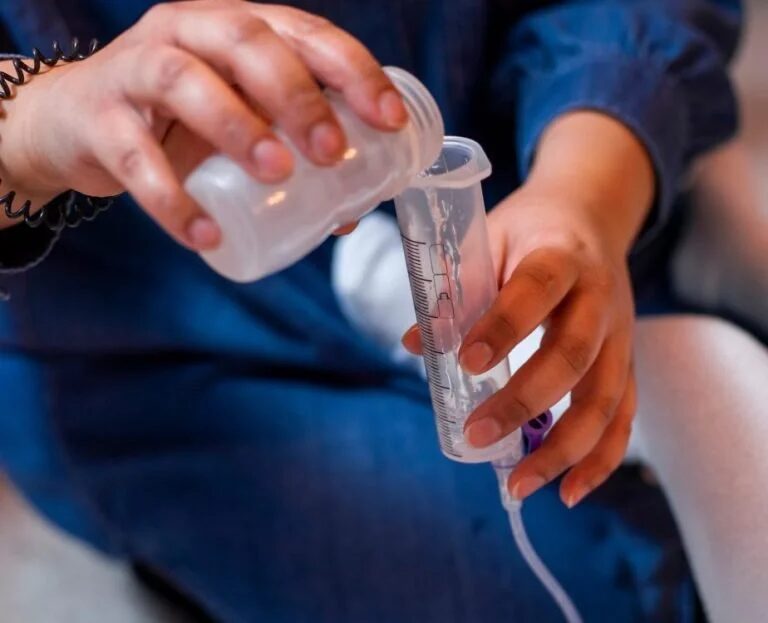
Providing nutrition support for elderly individuals who have difficulty eating normally requires careful planning, patience, and specialized care. For families looking for safe solutions for Tube feeding at home in Dubai, understanding the unique needs of older adults can help improve comfort, safety, and overall health outcomes. Professional support such as Doctor at Home services can guide caregivers in managing feeding routines, maintaining hygiene, and identifying potential concerns. Tube feeding may become necessary for elderly patients experiencing swallowing difficulties, neurological conditions, recovery after illness, or other medical challenges that affect their ability to consume sufficient nutrition. With the right approach, families can create a supportive home environment that helps elderly patients receive essential nutrients while maintaining dignity and quality of life.
Why Elderly Patients May Need Tube Feeding Support:
As people age, certain health conditions can affect their ability to eat and drink safely. Difficulty swallowing, reduced appetite, weakness, or medical treatments may prevent elderly individuals from receiving adequate nutrition through regular meals. Tube feeding provides an alternative method to deliver essential nutrients, fluids, and medications when oral intake is not enough or creates safety concerns.
Common reasons elderly patients may require tube feeding include:
- Swallowing disorders caused by neurological conditions.
- Recovery after major surgery or serious illness.
- Reduced ability to maintain proper nutrition.
- Increased risk of choking or aspiration.
- Long-term health conditions affecting eating ability.
Understanding the reason behind tube feeding helps caregivers provide more personalized support and follow appropriate medical recommendations. Each elderly patient has different nutritional needs, making professional guidance an important part of successful home care.
Preparing a Safe Home Environment for Elderly Tube Feeding:
Creating a safe and comfortable home setting is essential when caring for elderly patients who use feeding tubes. Older adults may require additional support due to limited mobility, memory concerns, or other age-related challenges. A well-organized feeding area can make daily routines easier and reduce the risk of complications.
Important preparation steps include:
- Keeping feeding supplies in a clean and accessible location.
- Ensuring proper lighting during feeding procedures.
- Maintaining comfortable seating and positioning support.
- Organizing feeding schedules and medication information.
- Keeping emergency contact details available.
A structured environment allows caregivers to provide consistent care while helping elderly patients feel more secure during feeding sessions.
Maintaining Proper Tube Feeding Hygiene and Safety:
Hygiene is one of the most important aspects of tube feeding care, especially for elderly patients who may have weaker immune systems. Proper cleaning and handling techniques help reduce the risk of infections and other complications. Caregivers should follow healthcare instructions carefully and maintain a regular hygiene routine.
Essential hygiene practices include:
- Washing hands before handling feeding equipment.
- Cleaning the tube site as recommended by healthcare professionals.
- Keeping feeding equipment properly stored.
- Checking supplies for damage or contamination.
- Following recommended replacement schedules.
Regular hygiene practices protect elderly patients from preventable infections and help ensure that tube feeding remains a safe method of nutrition support.
Managing Nutrition and Hydration Needs in Older Adults:
Elderly patients often have changing nutritional requirements due to age, medical conditions, and activity levels. Tube feeding formulas are designed to provide essential nutrients, but caregivers must monitor how well the patient responds to the feeding plan. Proper hydration and nutritional monitoring are necessary for maintaining strength and overall well-being.
Caregivers should focus on:
- Following the prescribed feeding schedule.
- Monitoring weight changes.
- Tracking fluid intake as recommended.
- Observing energy levels and overall condition.
- Discussing nutritional concerns with healthcare providers.
Regular assessment helps ensure that elderly patients receive appropriate nutrition while allowing adjustments when their health needs change.
Addressing Common Tube Feeding Challenges in Elderly Patients:
Tube feeding can provide important health benefits, but elderly patients may experience challenges that require attention. Caregivers should understand common problems and know how to respond appropriately. Early recognition of concerns can prevent complications and improve patient comfort.
Common challenges may include:
- Tube blockage caused by formula or medication residue.
- Skin irritation around the tube site.
- Digestive discomfort such as bloating or constipation.
- Difficulty adjusting to feeding routines.
- Anxiety or emotional discomfort related to tube use.
Solutions often involve reviewing care techniques, adjusting routines under medical guidance, and seeking professional advice when problems continue. A patient-focused approach helps elderly individuals adapt more comfortably to tube feeding.
Supporting Emotional Well-Being During Tube Feeding:
For many elderly patients, adjusting to tube feeding can be an emotional experience. Changes in eating habits may affect independence, confidence, and social interactions. Caregivers play an important role in providing reassurance and maintaining a positive environment.
Ways to support emotional well-being include:
- Communicating with the patient during feeding sessions.
- Encouraging participation in daily routines when possible.
- Maintaining dignity and privacy during care.
- Providing emotional reassurance and companionship.
- Involving patients in decisions about their care whenever appropriate.
Emotional support helps elderly patients feel valued and improves their overall experience with home tube feeding.
Monitoring Health Changes and Seeking Medical Support:
Regular monitoring is essential for elderly patients receiving tube feeding at home. Caregivers should observe physical changes and report concerns promptly. Because older adults may have multiple health conditions, professional evaluation can help identify issues early and prevent complications.
Medical support may be needed when caregivers notice:
- Fever or signs of infection.
- Persistent digestive problems.
- Sudden weight loss or weakness.
- Tube movement or damage.
- Changes in alertness or overall health.
A Doctor at Home consultation can help evaluate the patient’s condition, review feeding practices, and provide guidance based on individual health requirements. Professional monitoring gives families additional confidence in managing elderly tube feeding safely.
Creating a Long-Term Care Routine for Elderly Tube Feeding:
A consistent routine makes tube feeding easier for both elderly patients and caregivers. Long-term care requires organization, patience, and regular communication with healthcare professionals. A detailed care plan helps families manage daily responsibilities while maintaining patient safety.
A successful routine may include:
- Keeping a daily feeding record.
- Scheduling regular medical checkups.
- Maintaining clean and organized supplies.
- Reviewing feeding instructions regularly.
- Preparing for unexpected situations.
A planned approach reduces stress and supports better care quality for elderly patients who rely on tube feeding.
Final Thoughts
Tube feeding at home for elderly patients requires careful attention, proper hygiene, and compassionate support. With the right preparation and medical guidance, families can help older adults receive essential nutrition safely while maintaining comfort and dignity. Understanding common challenges, following safe feeding practices, and monitoring health changes can make home tube feeding a more manageable experience for both patients and caregivers.


 Freya Parker
 fresh a2 milk