HiiMSHospital Chandigarh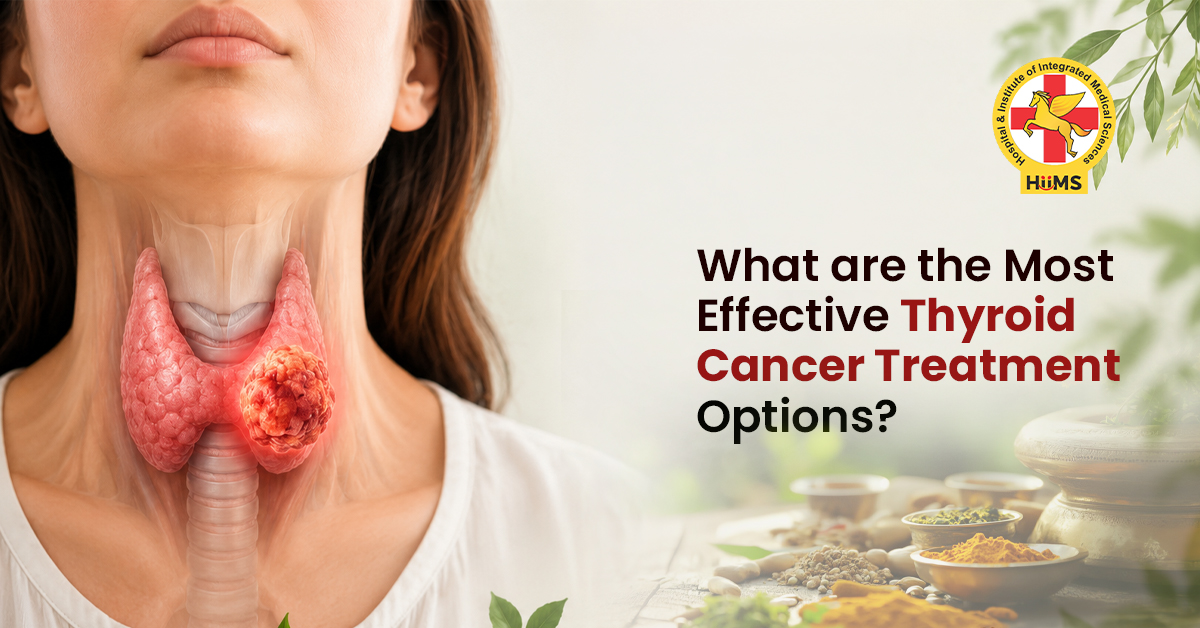
Being diagnosed with thyroid cancer can feel overwhelming, not just for the patient but for their loved ones as well. One of the first questions that comes to mind is, “What treatment options are available, and what should we expect moving forward?” With so much information available, it’s easy to feel confused. The key is to rely on guidance from qualified medical professionals, as thyroid cancer treatment is always personalized based on each patient’s condition.
This article provides a simple and clear understanding of symptoms, commonly used treatments, and the importance of supportive care during the healing process.
Understanding the Early Signs
In many cases, thyroid cancer begins with subtle symptoms that are easy to overlook. A lump or swelling in the neck is one of the most common signs. Some individuals may also experience voice changes, such as hoarseness, or difficulty swallowing. Recognizing these symptoms early and seeking timely medical advice can make a significant difference in treatment outcomes.
Medical Treatment Options for Thyroid Cancer
Once diagnosed, doctors create a treatment plan based on the type and stage of cancer. Common approaches include:
- Surgical Treatment: Removing part or all of the thyroid gland is often the first step in managing the condition.
- Radioactive Iodine Therapy: This method is used after surgery in certain cases to target and eliminate remaining thyroid cells.
- Hormone Therapy: Since the thyroid gland plays a vital role in hormone production, patients may require lifelong hormone replacement therapy with regular monitoring.
These treatments focus on addressing the disease effectively and are determined by healthcare professionals.
Why Supportive Care Matters
While medical treatment is essential, patients may also experience physical and emotional challenges such as fatigue, stress, and changes in appetite. During this time, focusing on daily lifestyle habits can help improve comfort and overall well-being.
Simple steps like eating balanced meals, staying hydrated, maintaining proper sleep, and practicing relaxation techniques such as breathing exercises or light physical activity can support recovery. These measures are not alternatives to medical treatment but can complement it when followed responsibly.
Holistic Wellness Approach
Many individuals today are also exploring holistic ways to support their health during treatment. Approaches that focus on improving daily routine, mental balance, and physical strength can enhance quality of life.
Institutions like Jeena Sikho HiiMS Derabassi emphasize personalized lifestyle guidance alongside ongoing medical care. Their approach may include dietary recommendations, gentle yoga practices suited to individual needs, and traditional wellness therapies aimed at improving overall balance. In certain cases, Panchakarma-based practices may also be considered as part of a broader support plan, depending on the patient’s condition and professional advice.
Conclusion
Thyroid cancer treatment should always be guided by an experienced oncologist, ensuring that the approach is tailored to the patient’s needs. Alongside this, adopting a mindful and supportive lifestyle can help patients navigate their journey with greater comfort and stability. A combination of proper medical care and balanced daily habits can make a meaningful difference in overall well-being.
Exploring supportive care options alongside treatment can help patients feel more empowered and better prepared during this phase of life.

 enfield abudhabi
 Enfield Abu dhabi