Sahu
Sahu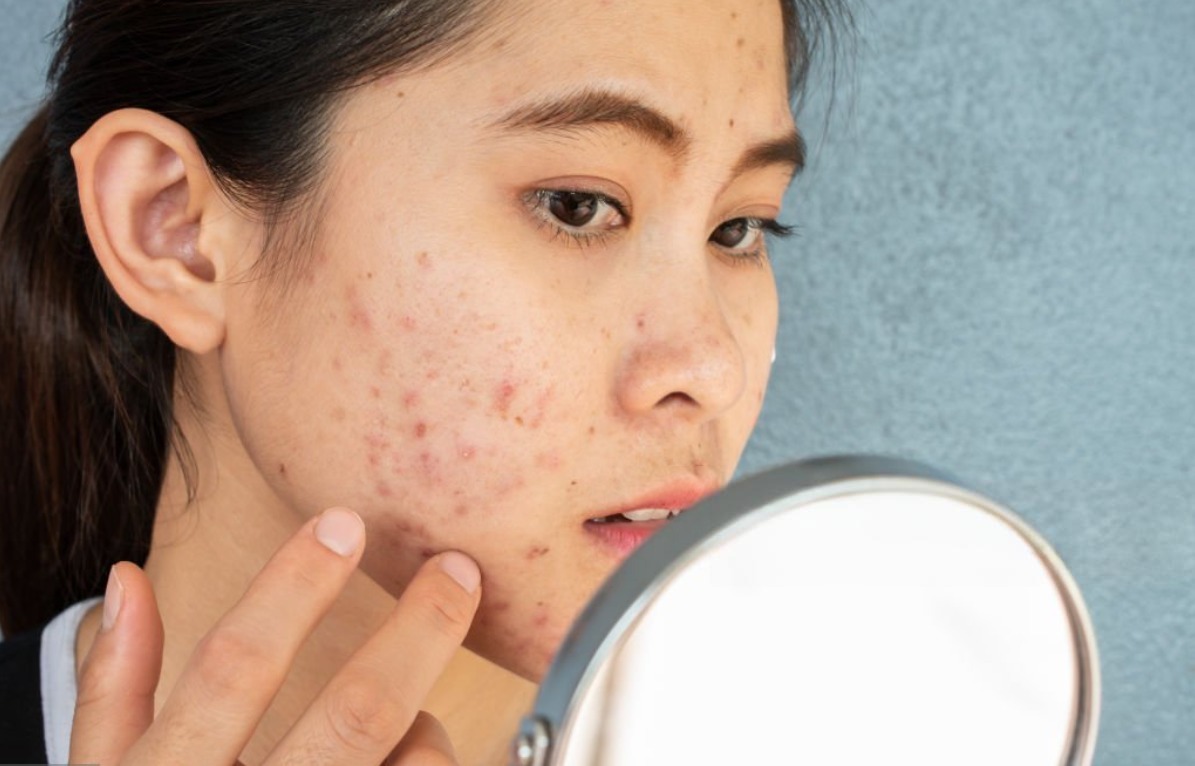
Acne Scars vs. Hyper–pigmentation: What’s the Difference? (And How to Treat Them)
You’ve finally cleared that annoying pimple, but now you’re staring at a mark that just won’t go away. Is it a scar? Or something else? If you’re confused, you’re not alone. This is one of the most common questions people ask when dealing with post-acne marks.
Here’s the thing: what you’re seeing might not be a scar at all. Many people mistake hyper-pigmentation for scarring, and vice versa. The problem? These two skin concerns need completely different treatments. Using the wrong approach can waste your time, money, and leave you frustrated.
Let’s clear up the confusion once and for all.
Post-acne hyper-pigmentation (PAH) is essentially a dark spot left behind after a pimple heals. It’s not a scar—it’s more like a stain on your skin.
When your skin gets inflamed from acne, it triggers your pigment-producing cells (called melanocytes) to work overtime. They dump extra melanin into that area, creating a colored mark. Depending on your skin tone, these marks can look pink, red, purple, brown, or even black.
How to Recognize Hyper–pigmentation:
- It’s completely flat.Run your finger across it—your skin feels smooth, just discolored.
- It’s only a color change.No bumps, no dips, just a different shade than the rest of your skin.
- It fades naturally over time.These marks aren’t permanent. Without treatment, they can take several months to fade, but they will eventually lighten on their own.
Think of hyper-pigmentation like a bruise. It looks dramatic at first, but your body will gradually break down that extra pigment and clear it away.
What Are Acne Scars?
Real acne scars are a different story. These are permanent changes to your skin’s texture caused by damage to the collagen underneath. When severe acne heals, your skin tries to repair itself. Sometimes it produces too little collagen, creating a depression. Other times, it produces too much, creating a raised bump.
Types of Acne Scars:
Atrophic (Depressed) Scars – These are the most common. They sit below the surface of your skin:
- Icepick scars:Deep, narrow pits that look like your skin was poked with a tiny sharp tool
- Boxcar scars:Wider depressions with sharp, defined edges (like a box)
- Rolling scars:Broad, shallow waves that give the skin an uneven texture
Hypertrophic (Raised) Scars – These are thick, elevated bumps that rise above the skin’s surface due to excess collagen production.
How to Recognize Acne Scars:
- You can feel the texture change.Your finger catches on dips or bumps when you touch your skin.
- They’re three-dimensional.Either indented below the surface or raised above it.
- They’re permanent.True scars won’t fade on their own—they need professional treatment to improve.
Quick Comparison: Scar or Hyperpigmentation?
Still not sure what you’re dealing with? Here’s an easy way to tell:
Touch test: Gently run your finger over the mark. If it feels smooth and flat, it’s likely hyperpigmentation. If you feel a dip or bump, it’s a scar.
Time test: Has the mark improved at all over 6-12 months? Hyperpigmentation gradually fades. Scars stay the same.
Color vs. texture: Is it just a color difference, or is the surface of your skin actually different? Color = hyperpigmentation. Texture = scar.
How to Treat Hyperpigmentation
Since hyperpigmentation is all about excess pigment, your treatment strategy should focus on two things: stopping new pigment production and speeding up the removal of existing pigment.
Best Treatments for Dark Spots:
- Topical Ingredients
These are your first line of defense and work well for mild to moderate hyperpigmentation:
- Vitamin C:Brightens skin and inhibits melanin production
- Retinoids:Speed up cell turnover to shed pigmented cells faster
- Niacinamide:Reduces melanin transfer and evens out skin tone
- Azelaic Acid:Lightens dark spots and has anti-inflammatory properties
- Kojic Acid:A natural lightening agent derived from fungi
These treatments use acids (like glycolic, salicylic, or lactic acid) to remove the top layers of skin, revealing fresh, evenly toned skin underneath. They’re especially effective for stubborn marks.
- Sun Protection (This is Non-Negotiable!)
UV exposure is the enemy of hyper-pigmentation treatment. Sun exposure causes those dark marks to become even darker and can undo all your progress.
Wear a broad-spectrum SPF 30 or higher every single day—even when it’s cloudy, even when you’re indoors. This is honestly the most important step in treating dark spots.
Timeline:
With consistent treatment and sun protection, you can expect to see noticeable improvement in hyper-pigmentation within 3-6 months. Be patient and stick with your routine.
How to Treat Acne Scars
Acne scars require a different approach. Since they involve structural damage to your skin, you need treatments that stimulate collagen production and physically remodel the tissue.
Best Treatments for Textured Scars:
- Microneedling
This treatment uses tiny needles to create controlled micro-injuries in your skin. It sounds scary, but it’s actually quite effective. These micro-injuries trigger your body’s natural healing response, which produces fresh collagen to fill in depressed scars and smooth out your skin texture.
- Laser Treatments
Lasers are among the most effective treatments for acne scars:
- Ablative lasers (like CO2):Remove layers of skin to resurface and smooth deep scars
- Non-ablative lasers (like Fractional):Work beneath the surface to stimulate collagen without removing skin
Laser treatments can dramatically improve skin texture, but they typically require multiple sessions and some downtime.
- Subcision
This is a minor surgical procedure where a dermatologist inserts a needle beneath the scar to break up the fibrous bands that are pulling it down. Once released, the scar can rise to the level of the surrounding skin. It’s particularly effective for rolling scars.
- Dermal Fillers
For atrophic (depressed) scars, fillers can be injected underneath to lift them up to match the surrounding skin. The results are immediate but temporary, usually lasting 6-12 months.
- TCA Cross
This technique involves applying high-concentration acid directly into deep icepick scars to stimulate collagen production from the bottom up.
The Reality:
Treating acne scars takes time and often requires a combination of treatments. Most people see the best results with a personalized treatment plan created by a dermatologist who can assess your specific type of scarring.
Why You Need Professional Help
Here’s why guessing doesn’t work: if you treat hyperpigmentation like it’s scarring, you’ll waste months using the wrong products. If you treat scars like they’re just dark spots, you’ll never see real improvement.
A qualified dermatologist can:
- Accurately diagnose what you’re dealing with
- Create a customized treatment plan for your skin type and concern
- Combine treatments strategically for better results
- Adjust your plan based on how your skin responds
If you’re in Faridabad, visiting a skin specialist or dermatologist who understands both conditions is the fastest path to results.
Bonus: 10 Warning Signs Your Mole Needs a Check-Up
While we’re talking about skin health, let’s address another important topic: mole changes. Not all spots on your skin are harmless, and knowing when to get checked could literally save your life.
Remember the ABCDEs of Melanoma:
- Asymmetry:One half of the mole looks different from the other half
- Border:The edges are ragged, notched, or blurry instead of smooth
- Color:Multiple colors in one mole (brown, black, red, white, or blue)
- Diameter:Larger than 6mm (the size of a pencil eraser), though melanomas can be smaller
- Evolving:Any mole that’s changing in size, shape, or color
Additional Warning Signs:
- Itching or pain:A mole that suddenly becomes itchy or painful
- Bleeding or oozing:A mole that bleeds or forms a crust without being injured
- The “ugly duckling”:A mole that looks dramatically different from all your other moles
- Rapid changes:Any skin lesion that’s changing quickly
- New moles after 30:While less common, new moles appearing in adulthood should be checked
If you notice any of these signs, don’t wait. Schedule a skin check with a dermatologist immediately. Early detection of skin cancer dramatically improves treatment outcomes.
Your Next Steps
Whether you’re dealing with dark spots that won’t fade, textured scars from past breakouts, or a concerning mole, professional guidance makes all the difference.
Stop guessing and get answers. A proper diagnosis is the foundation of effective treatment. Once you know exactly what you’re dealing with, you can target it with the right approach and actually see results.
Your skin has incredible healing potential—it just needs the right support. With expert care and a personalized treatment plan, you can achieve clearer, smoother, healthier skin.
Ready to take control of your skin health? Schedule a consultation with a qualified dermatologist. Dr. Neha Yadav is Best Dermatologist clinic in Faridabad who can assess your concerns and create a treatment plan designed specifically for you.
Your journey to confident, healthy skin starts with one decision: getting expert help. Your future self will thank you.


 Sophia Jones
 Platinum Days of Love