Lorraine Smith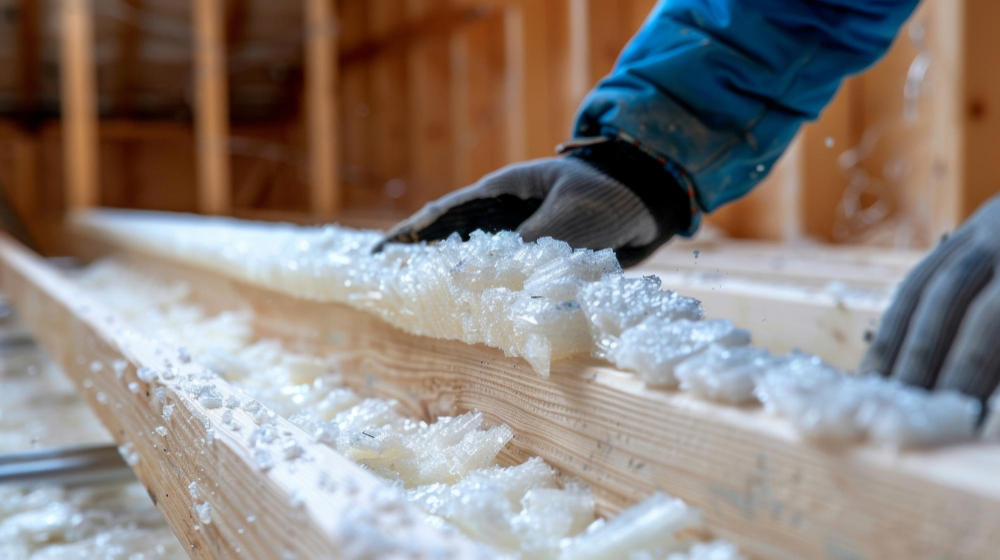
Polyurethane (PU) foam is a material found in many products we use every day. Finding a reliable polyurethane foam supplier in the philippines is the first step in starting any project. It appears in mattresses, furniture, construction insulation, and car parts. Knowing how to choose the right type of PU foam is important for any project. This guide discusses the different PU foam grades available and explains what those grades mean. It helps you understand the right foam to choose for your specific needs.
Understanding Polyurethane Foam Grades
PU foam starts with mixing two main liquid chemical components: polyol and isocyanate. This chemical reaction creates a foam structure that expands and then hardens. The final foam properties depend on the chemical formula used. Manufacturers can change this formula to make soft, flexible foams or hard, rigid ones. The two major types are flexible foam and rigid foam. Each type serves different purposes in the industry.
Density and Its Effect on Foam Quality
- Density is related to durability. Higher density generally means the foam contains more material. This makes the foam stronger and more durable.
- Density and lifespan. Density does not measure firmness. However, it affects how long the foam will last before it starts to sag or break down.
- Choosing the right density. Low-density foams are lighter and less expensive. Medium and high-density foams offer better support and a longer lifespan.
Hardness: Measuring Foam Firmness
- The Indentation Load Deflection (ILD) test. The standard test for hardness is called Indentation Load Deflection (ILD). ILD measures the force needed to squeeze a foam sample by a specific percentage.
- Interpreting the ILD value. A higher ILD value means the foam is firmer. It resists compression more strongly.
- Matching hardness to application. A mattress core needs a much higher ILD than a soft decorative cushion. You must choose a density that offers durability and an ILD that provides the desired level of support.
Comparing Flexible and Rigid Foam Types
The type of foam structure, whether open-cell or closed-cell, determines its main uses. The structure affects the foam’s feel and its ability to insulate.
Flexible Foam for Comfort
Flexible PU foam is the type used most often for comfort applications. It is soft, springy, and quickly returns to its original shape after being squeezed
- Common uses for flexible foam. This type is used for sofa cushions, bedding, and carpet underlays.
- Open-cell structure. Flexible foam has an open-cell structure. The small foam bubbles are connected. This allows air and moisture to pass through.
Rigid Foam for Structural Support and Insulation
Rigid PU foam is hard and does not compress easily. It is used in construction and industrial settings because of its strength
- Insulation and building applications. This foam is popular for insulation in walls, roofs, and refrigeration units.
- Closed-cell structure. Rigid foam has a closed-cell structure. This structure stops air and moisture from moving through the material. This closed-cell design gives the foam excellent heat insulation.
Selecting the Right Grade for Common Uses
Flexible Foam Grading
- Low-density foam uses. This foam is suitable for light-use items like pillow filling or temporary packaging.
- Medium-density foam uses. This grade is a common choice for everyday seating and standard mattresses.
- High-density foam uses. This foam is used for heavy-duty applications that require long-lasting support. Examples include main seat cushions and high-quality mattresses.
Understanding Rebonded Foam
Characteristics of rebonded foam
This foam is extremely firm and has a very high density.
Uses for rebonded foam
Its firmness makes it an excellent choice for gym mats, heavy-duty commercial seating, and packaging for heavy or delicate items. It creates a dense and stable foam product in a cost-effective way.
Key Takeaway
Selecting the correct PU foam grade for your project involves understanding density, hardness, and the type of foam structure. Consider the item’s intended use and the amount of wear and tear it will experience. A good-quality foam provides the comfort and durability your final product requires. Getting the right advice from a dependable polyurethane foam supplier in the philippines can make the selection process easier and lead to a better result.

 Rohit Verma
 Ryker Vaughn