Healing Rehab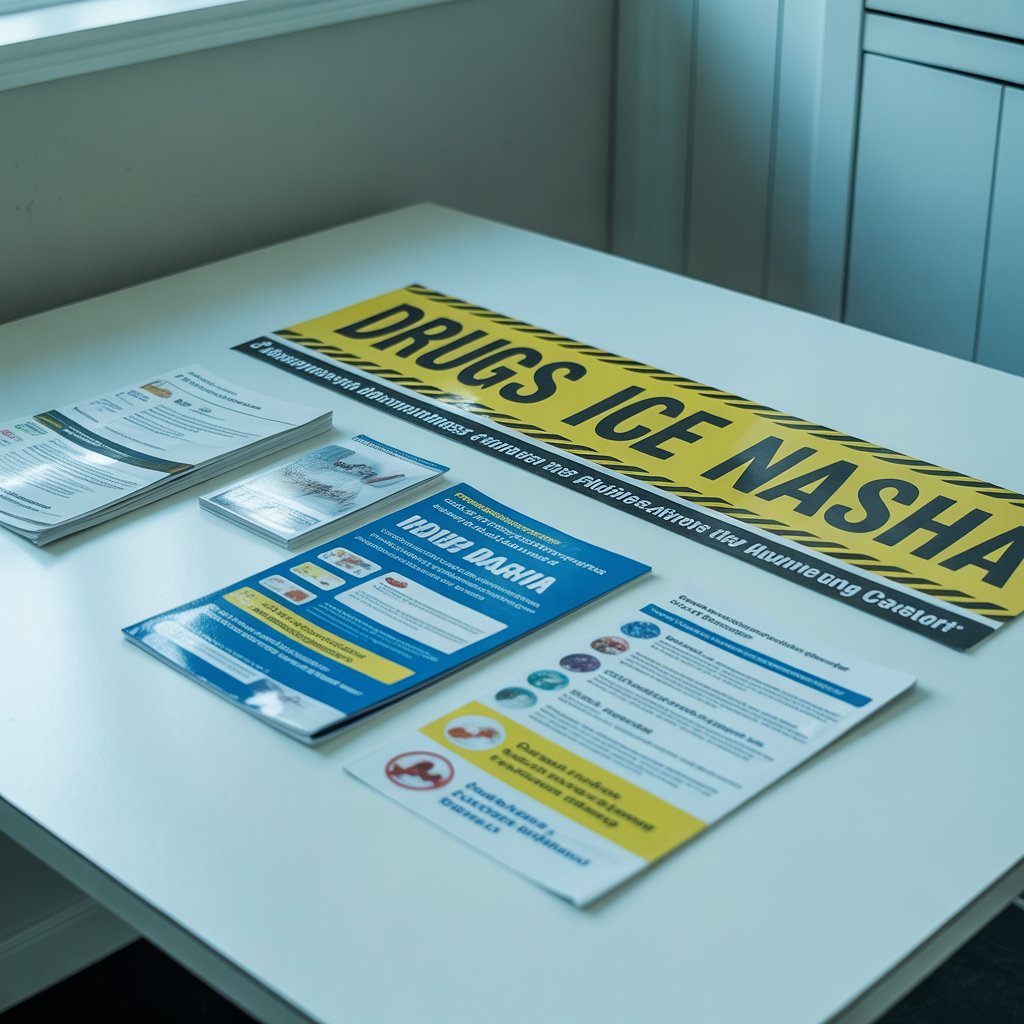
Drug addiction is not just a personal struggle; it affects families, communities, and society as a whole. Among the most dangerous substances today is crystal meth, commonly known in local language as Ice nasha. This drug has silently damaged many lives by trapping individuals in a cycle of dependency, emotional breakdown, and health complications. Understanding its impact and knowing that recovery is possible is the first step toward healing.
What Makes This Drug So Dangerous?
This substance is highly addictive and works directly on the brain’s reward system. It creates an intense rush of energy and pleasure, but that feeling is short-lived. Over time, the brain becomes dependent on the drug to feel normal. Users often increase the dose, which leads to serious physical and psychological harm. The danger lies not only in addiction but also in how quickly it takes control of a person’s behavior and decision-making.
Physical and Mental Effects on the Body
Long-term use damages both physical and mental health. The body may suffer from extreme weight loss, skin problems, dental damage, and a weakened immune system. Mentally, users experience anxiety, paranoia, hallucinations, and aggressive behavior. In many cases, people struggling with Ice nasha also face depression and suicidal thoughts. These effects can worsen if treatment is delayed, making early intervention extremely important.
How Addiction Impacts Family and Social Life
Addiction does not affect one person alone. Families often experience emotional pain, financial stress, and broken relationships. Trust fades as behavior becomes unpredictable. Social isolation increases, and individuals may lose jobs, friendships, and respect within their community. Loved ones often feel helpless, not knowing how to support the person without enabling the addiction. This is why professional rehabilitation plays a vital role in restoring both individual and family stability.
Importance of Medical Rehabilitation
Quitting this drug without medical support can be extremely challenging and risky. Withdrawal symptoms may include severe fatigue, mood swings, intense cravings, and sleep disturbances. A medical rehabilitation center provides supervised detoxification to ensure safety and comfort during this difficult phase. Structured care helps the body and mind adjust gradually, reducing the chances of relapse associated with Ice nasha recovery attempts done alone.
Therapy, Counseling, and Emotional Healing
Rehabilitation is not just about stopping drug use; it is about understanding why addiction started in the first place. Counseling and therapy help patients identify emotional triggers, trauma, or stress factors that led to substance use. Cognitive Behavioral Therapy and group sessions are commonly used to rebuild confidence and emotional control. Through therapy, individuals learn healthier ways to cope with life’s challenges without turning to substances.
Building a Drug-Free Future
Recovery is a long-term journey that continues even after leaving the rehabilitation center. Patients are guided on relapse prevention, lifestyle changes, and emotional resilience. Family counseling helps rebuild trust and communication. Support systems, follow-up sessions, and positive routines strengthen long-term success. With proper care and commitment, individuals can overcome Ice nasha and rediscover purpose, stability, and self-respect in their lives.
Addiction may feel overwhelming, but it is never the end of the story. With professional medical support, compassionate care, and the right environment, recovery is achievable. Taking the first step toward treatment can transform lives and open the door to a healthier, drug-free future.

 VikramENT Hospital
 breast surgery