carels buttler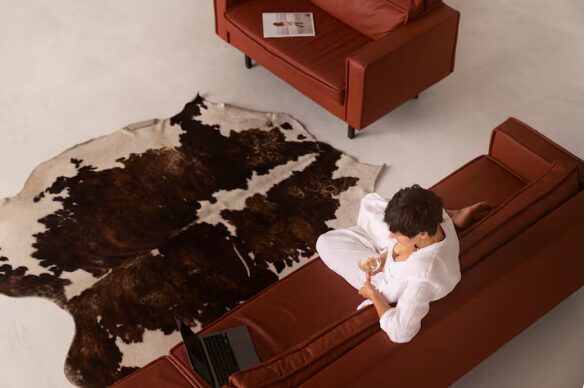
When it comes to showcasing wildlife in a way that combines artistry, history, and natural beauty, few methods capture attention like bear taxidermy and real bear rugs. These unique pieces not only honor the majesty of bears but also serve as conversation starters, collectibles, and even functional home décor. For hunters, wildlife enthusiasts, or interior designers, understanding the artistry, process, and cultural significance behind bear taxidermy and real bear rugs is essential.
The Art of Bear Taxidermy
Bear taxidermy is the practice of preserving a bear’s body through careful skinning, tanning, and mounting. Unlike other forms of taxidermy, bear taxidermy requires specialized skill due to the bear’s size, muscular structure, and thick fur. The goal is to create a lifelike representation that reflects the bear’s natural posture, expressions, and character.
The process begins with the careful preparation of the specimen. After a bear is ethically sourced, typically through legal hunting or natural death, the skin is carefully removed to prevent damage. The taxidermist then cleanses and treats the hide, preserving the fur’s natural color and texture. For the mount, a detailed mold or form is used, often created from polyurethane foam or other durable materials. The treated hide is carefully stretched and fitted over the form, ensuring natural proportions and anatomical accuracy.
Detailing is critical in bear taxidermy. Artists often spend hours sculpting the face, shaping the paws, and positioning the claws to achieve realism. Eyes, typically made from high-quality glass or acrylic, are inserted to bring the bear to life. Some taxidermists go further by replicating environmental elements such as rocks, trees, or foliage, creating a diorama-style display that immerses viewers in the bear’s natural habitat.
Types of Bear Taxidermy
Bear taxidermy comes in various forms, depending on the intended use and display. Common types include:
- Full Body Mounts – These display the entire bear standing on its feet or in a natural pose. Full body mounts are popular in museums, lodges, and private collections for their dramatic presence.
- Shoulder Mounts – Also known as cape mounts, these preserve the bear’s head, shoulders, and upper chest. They are easier to display in homes and provide a realistic look without requiring excessive space.
- Life-Size Sculptures – Some taxidermists create entirely sculpted bears, using faux materials and precise artistry to replicate the animal for those who cannot source a real specimen.
Regardless of the type, the goal of bear taxidermy is to honor the animal while capturing its essence and majesty.
Real Bear Rugs: A Functional Piece of Wildlife Art
While bear taxidermy emphasizes lifelike preservation, real bear rugs offer a different approach—functional art that brings warmth and wildlife charm to interiors. A real bear rug is made from the tanned hide of a bear, typically spread out on the floor with the head, claws, and fur intact. Unlike mounted bears, bear rugs allow the tactile experience of the fur and serve as both décor and utility.
Creating a real bear rug begins with tanning the hide. The process involves cleaning, salting, and stretching the skin to prevent decay and ensure durability. Once tanned, the hide is often softened and brushed to restore its natural texture. The head may be mounted in a lifelike expression, or sometimes flattened for a more traditional rug look. High-quality bear rugs retain the natural color patterns of the bear, whether black, brown, or grizzly, creating a striking centerpiece for any room.
Bear rugs are highly prized for their combination of artistry and functionality. Hunters often use them to commemorate a significant hunt, while interior designers incorporate them into rustic, lodge-style, or nature-themed interiors. Beyond aesthetics, a real bear rug provides warmth and comfort underfoot, making it both decorative and practical.
Legal and Ethical Considerations
When acquiring bear taxidermy or a real bear rug, legality and ethics are crucial. Bears are protected under various federal and state regulations, and some species are considered threatened or endangered. Therefore, responsible sourcing is essential.
Ethically sourced bear taxidermy and rugs typically come from:
- Legal hunting under regulated seasons and quotas
- Bears that have died naturally or from accidents
- Licensed taxidermists who comply with local wildlife regulations
It is essential to request documentation verifying the bear’s source. Avoiding illegal wildlife trade ensures that your bear mount or rug respects conservation laws and wildlife sustainability.
Caring for Bear Taxidermy and Rugs
Proper care extends the life and beauty of bear taxidermy and real bear rugs. Here are some tips:
- Avoid Direct Sunlight: Prolonged exposure to sunlight can fade the fur and damage the hide.
- Regular Dusting: Use a soft brush or vacuum with a gentle attachment to remove dust from mounts or rugs.
- Humidity Control: Excess moisture can cause mold or deterioration. Maintain a stable indoor environment.
- Professional Maintenance: Occasionally, hire a professional taxidermist for cleaning or minor repairs to ensure longevity.
Decorating with Bear Taxidermy and Rugs
Incorporating bear taxidermy and rugs into décor depends on the space and desired style.
- Rustic Cabin Style: A full-body mount above the fireplace or a bear rug in the living area creates an authentic cabin feel.
- Lodge or Hunting Lodge: Shoulder mounts paired with wooden furniture, leather seating, and natural elements enhance the outdoorsy atmosphere.
- Eclectic Interior: A real bear rug can become a bold centerpiece, contrasting modern furniture with natural textures for a unique aesthetic.
Conclusion
Bear taxidermy and real bear rugs are more than just decorations—they are a fusion of artistry, wildlife appreciation, and cultural heritage. Each piece tells a story, whether it’s commemorating a memorable hunt, celebrating the majesty of nature, or adding a striking element to home décor. By understanding the craftsmanship, ethical considerations, and proper care involved, collectors and enthusiasts can enjoy these extraordinary works for decades.
Whether you choose a meticulously mounted bear or a luxurious bear rug, these wildlife pieces offer a tangible connection to the natural world, reminding us of the beauty, strength, and presence of one of nature’s most iconic animals. Investing in bear taxidermy or a real bear rug is not just a design choice—it is a tribute to the wilderness itself.


 Ananda Rajan Murugesan
 Ryan Parker