Rohit Verma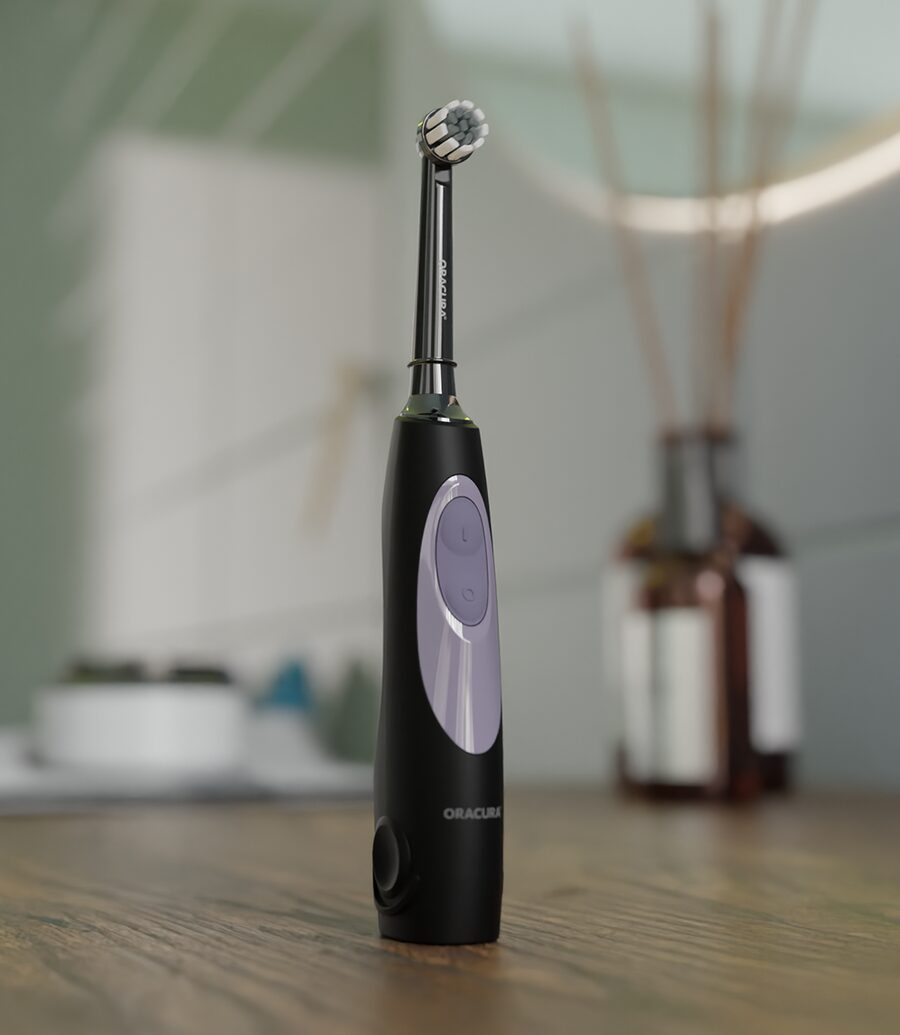
With so many electric toothbrush options available today, choosing the right one can feel overwhelming. Among the different technologies, best electric toothbrushes are widely recommended by dentists for their ability to remove plaque effectively while remaining gentle on teeth and gums. But not all oscillating toothbrushes are the same. Understanding what features truly matter can help you make the right choice for your oral health needs.
This guide breaks down everything you should consider before buying an oscillating electric toothbrush.
What Is an Oscillating Electric Toothbrush?
An oscillating electric toothbrush uses a small, round brush head that rotates back and forth at high speed. This movement mimics the professional cleaning motion used by dentists and helps break up plaque more efficiently than manual brushing.
Unlike sonic toothbrushes that rely on vibration, oscillating brushes focus on targeted mechanical movement, making them especially effective for cleaning along the gumline and around individual teeth.
Why Choose an Oscillating Toothbrush?
Before diving into selection tips, it’s important to understand why oscillating toothbrushes are popular:
- More effective plaque removal than manual brushing
- Better access to hard-to-reach areas
- Improved gum health with consistent use
- Easier technique for users with limited hand movement
- Ideal for braces, crowns, and dental work
If your goal is better daily plaque control without aggressive brushing, an oscillating toothbrush is a strong option.
Key Factors to Consider When Choosing the Right One
1. Brushing Modes and Speed Settings
A good oscillating toothbrush should offer multiple brushing modes, such as:
- Daily Clean
- Sensitive
- Gum Care
- Whitening or Polishing
If you have sensitive gums or are new to electric brushing, adjustable speed or pressure settings help prevent discomfort while still delivering effective cleaning.
2. Pressure Sensor for Gum Protection
One of the most important features to look for is a pressure sensor. Many people brush too hard, which can damage enamel and irritate gums.
A built-in pressure sensor alerts you when you apply excessive force, helping you maintain healthy brushing habits and protect your gums over time.
3. Brush Head Design and Availability
Oscillating toothbrushes use round brush heads, which clean each tooth individually. When choosing a model, consider:
- Availability of replacement heads
- Options for sensitive, gum care, or orthodontic use
- Soft bristles for everyday comfort
Easy access to replacement heads ensures you can maintain proper hygiene by changing them every 3 months.
4. Battery Life and Charging Type
Battery performance is often overlooked but plays a big role in daily convenience.
Look for:
- At least 7–14 days of battery life on a single charge
- Rechargeable batteries rather than disposable ones
- USB charging if you travel frequently
A longer battery life means fewer interruptions and better consistency in your routine.
5. Built-in Timer and Quad-Pacer
Dentists recommend brushing for two minutes, twice a day. A quality oscillating toothbrush should include:
- A 2-minute smart timer
- 30-second interval alerts (quad-pacer) to guide even cleaning
These features ensure you don’t rush and give equal attention to all areas of your mouth.
6. Suitability for Your Dental Needs
Your personal oral health needs should guide your choice.
- Sensitive gums: Choose a model with gentle modes and soft bristles
- Braces or orthodontic appliances: Look for compatible brush heads and controlled oscillation
- Gum issues: A brush with gum-care mode and pressure control is ideal
- Kids or beginners: Simple controls and lower intensity settings work best
Selecting a toothbrush tailored to your needs improves comfort and long-term results.
Ease of Use and Ergonomic Design
An oscillating toothbrush should feel comfortable in your hand. Consider:
- Lightweight body
- Non-slip grip
- Easy-to-access buttons
A well-designed handle encourages consistent use and makes brushing feel effortless rather than like a chore.
Build Quality and Brand Reliability
Oral care is a long-term investment. Choosing a toothbrush from a reliable brand ensures:
- Durable internal motor
- Consistent oscillation speed
- Quality customer support
- Safe materials for daily use
Avoid overly cheap options that compromise on motor strength or safety standards.
Price vs. Value: What Should You Spend?
A higher price doesn’t always mean better performance, but extremely low-cost models may lack essential features.
When evaluating value, consider:
- Features included
- Replacement head cost
- Warranty
- Battery longevity
Focus on overall value, not just the upfront price.
How to Get the Best Results After Choosing
Even the best oscillating toothbrush works only when used correctly:
- Use light pressure—let the brush do the work
- Hold the brush head on each tooth for a few seconds
- Follow the timer prompts
- Replace brush heads every 3 months
Pairing your toothbrush with proper technique maximises its effectiveness.
Final Thoughts
Choosing the right oscillating electric toothbrush isn’t about picking the most expensive model—it’s about finding one that fits your oral health needs, comfort level, and lifestyle. Features like pressure sensors, brushing modes, battery life, and brush head options make a meaningful difference in daily use.
When chosen wisely, an oscillating electric toothbrush can significantly improve plaque removal, support gum health, and make brushing easier and more effective—helping you maintain a cleaner, healthier smile every day.


 QUA Nutrition
 Right At Home East bay