Sia Gray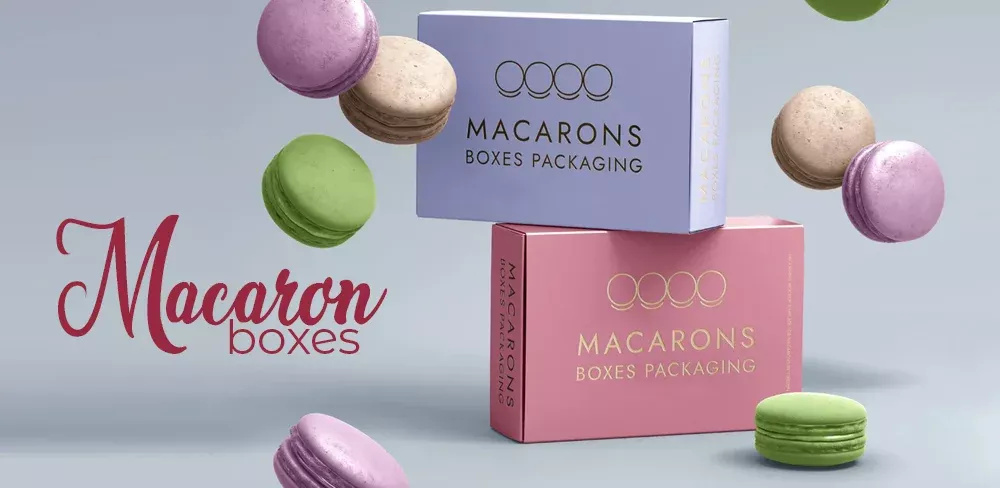
In the packaging world, there is a distinct hierarchy of difficulty. Shipping a heavy-duty industrial part? That’s easy, you just need enough corrugated fiberboard and dunnage to survive a drop test. But shipping macarons? That is an art form masquerading as a logistics nightmare.
After nearly eight years in the fulfillment trenches, I’ve seen enough shattered ganache and crushed almond flour shells to tell you that Macaron Boxes aren’t just containers; they are precision-engineered shock absorbers. If you’re treating your packaging as an afterthought, you aren’t just risking a “bad review” , you’re actively hemorrhaging your profit margins.
The Structural Integrity of the “Perfect Fit”
The most common mistake I see emerging bakeries and confectionery brands make is opting for “aesthetic first” packaging. They find a beautiful, flimsy cardstock box that looks great on an Instagram grid but offers zero structural rigidity.
When we talk about Macaron Boxes, the primary objective is immobilization. A macaron is essentially a delicate eggshell with a soft interior. If there is even two millimeters of “wiggle room” in the tray, the vibration from a delivery scooter or a sorting conveyor belt will cause the shells to rub against each other. This creates “dusting,” where the vibrant colors of the shells get clouded by fine crumbs.
The Fix: You need custom-molded inserts, preferably PET or high-density food-grade paperboard. The insert should grip the macaron by the circumference, not the top. If the lid touches the “feet” or the crown of the macaron, any vertical pressure on the box will result in a cracked shell.
Material Science: Moisture is the Enemy
As a consultant, I’m often asked why a brand’s macarons arrived “soggy” despite being fresh when packed. The culprit is almost always the moisture vapor transmission rate (MVTR) of the packaging material.
Macarons are hygroscopic, they suck moisture out of the air. If you use a cheap, non-coated SBS (Solid Bleached Sulfate) board, the box will actually pull moisture from the environment and transfer it to the cookies, or worse, the oils from the buttercream will seep into the cardboard, creating unsightly grease spots.
Industry Insight: Always specify a grease-resistant coating or a high-barrier film lamination. If you are shipping via cold chain (refrigerated), you need a substrate that can handle the transition from a cold truck to a warm doorstep without succumbing to condensation-induced structural failure.
The “Over-Packaging” Fallacy
Opinion: I’m going to be blunt most brands use way too much plastic because they don’t trust their primary box design. You don’t need three layers of bubble wrap if your internal tray is engineered correctly.
Sustainable packaging is no longer a “nice to have”; it’s a procurement requirement. I’ve transitioned several clients toward biodegradable cellulose windows instead of traditional plastic ones. It provides the same visibility (which is crucial for macaron sales, we eat with our eyes first) but aligns with the Sustainable Packaging Coalition guidelines.
3 Fatal Mistakes I See Weekly
- Ignoring the “Stacking Strength”: I’ve seen warehouses stack macaron shipments ten boxes high. If the bottom box doesn’t have a high “Edge Crush Test” (ECT) rating, the weight will eventually compress the tray, crushing the top row of cookies.
- Poor Thermal Buffer: Macarons are temperature-sensitive. If your Macaron Boxes are sitting in a UPS or FedEx hub in July, the ganache will melt. Professional-grade fulfillment requires calculating the R-value of your outer shipping carton to ensure the internal temp stays below 65°F (18°C).
- The “Aroma” Oversight: Paperboard has a smell. If you buy cheap, recycled-content boxes that haven’t been properly deodorized, your delicate lavender or rose macarons will end up tasting like a wet cardboard box. Always request “low-odor” food-grade certification from your supplier.
Logistics: The Final Frontier
Secure storage and transport aren’t just about the box; it’s about how that box interacts with the shipping environment. When I audit a supply chain, I look for the “shuck factor.” If a courier tosses the box, does the macaron stay in its slot?
A well-designed Macaron Box should have a friction-fit lid or a secure sleeve. Ribbon ties are beautiful for retail, but for shipping, they are a liability. They snag on conveyor belts and loosen over time. Use a secondary outer mailer with custom foam or corrugated inserts to create a “floating” environment for the primary decorative box.
Final Thought
In this industry, your packaging is your brand’s “handshake” with the customer. If they open a box to find a heap of colorful crumbs, the quality of your ingredients doesn’t matter.
Investing in high-performance Macaron Boxes isn’t an expense; it’s the cheapest insurance policy you will ever buy. Stop looking for the cheapest unit price and start looking at the “delivered intact” rate. That is where the real ROI is hidden.
Visit our site for more: https://ibexpackaging.com/custom-macaron-boxes/


 Roll Offs Roll Offs