shramdaan Clothes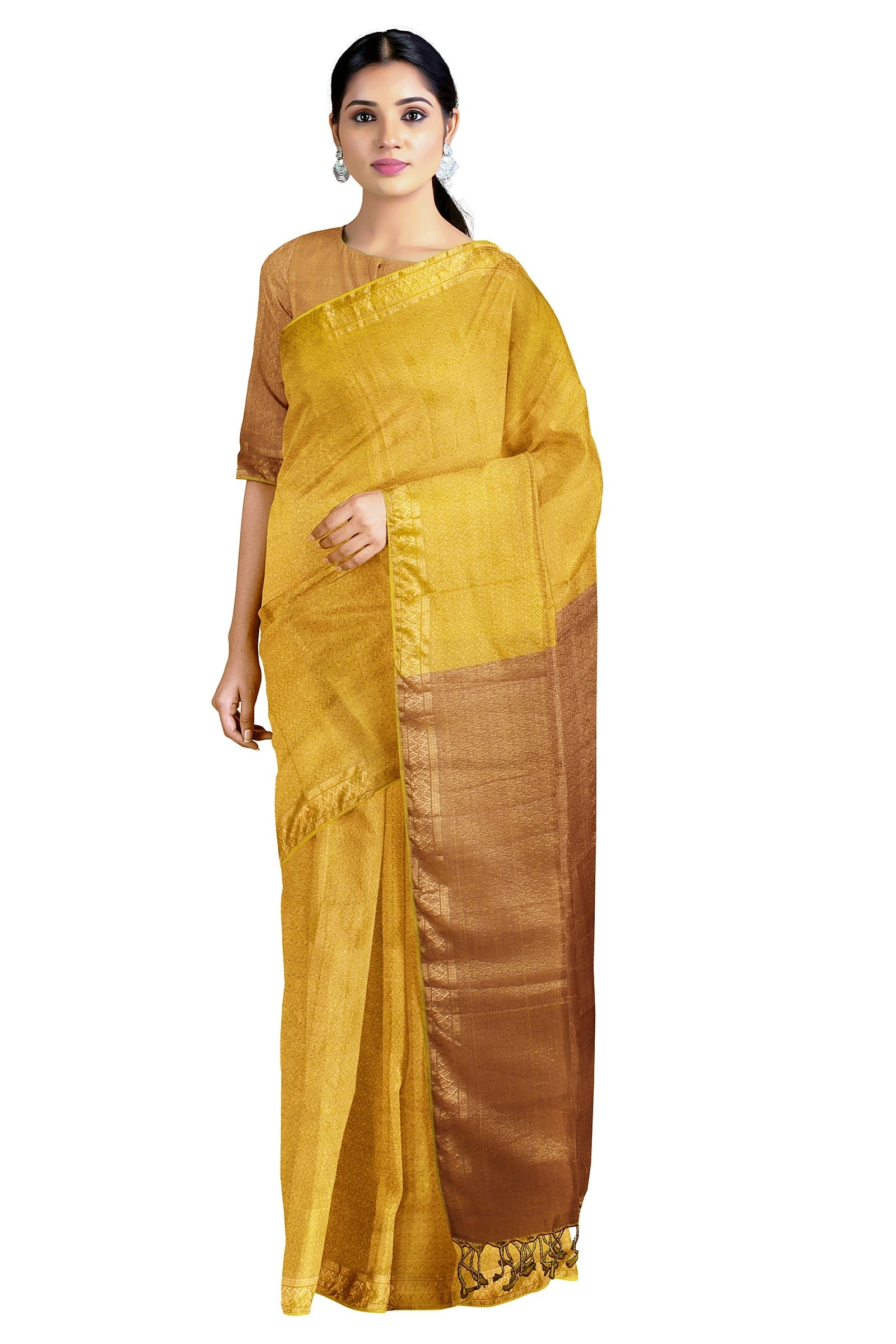
Handloom sarees occupy a unique position in the world of fashion and textile heritage. Unlike mass-produced garments, these drapes carry the signature of the weaver, offering a texture and character that machines simply cannot replicate. For generations, women have relied on these fabrics for distinct purposes. However, distinguishing between a saree meant for a long day at the office and one designed for a grand celebration involves more than just looking at the price tag. It requires an understanding of fibre, weave density, and ornamentation.
When exploring the vast market of handloom sarees, one quickly realises that versatility is their defining trait. A single loom can produce a feather-light cotton drape ideal for the humid summer months or a heavy, brocade-rich masterpiece destined for a bridal trousseau. Understanding the subtle shift from everyday utility to ceremonial grandeur is essential for building a functional and elegant wardrobe.
The Philosophy of Everyday Wear
The primary requirement for everyday wear is comfort. A saree worn for eight to ten hours, whether at a workplace or whilst running household errands, must be breathable and manageable. Everyday handloom varieties prioritise soft, natural fibres that allow air circulation and absorb moisture effectively.
Cotton is the undisputed king of daily wear. Weaves that utilise lower thread counts or looser structures offer a drape that falls softly against the body without feeling restrictive. The design language for daily wear tends to be understated. You will often find geometric patterns, simple stripes, or plain bodies with contrasting borders. The aim is to provide elegance without overwhelming the wearer with physical weight or visual noise.
For those engaging in handloom sarees online shopping, identifying the right fabric for daily use is crucial. Descriptions often highlight terms such as ‘lightweight’, ‘breathable’, or ‘soft texture’. These sarees are designed to endure frequent washing and draping. They soften with time, becoming more comfortable with every use. The absence of heavy metallic threads ensures that the fabric does not irritate the skin during prolonged wear, making them a practical choice for the modern woman who values both tradition and ease.
The Grandeur of Occasion Wear
In contrast, occasion wear is all about impact, lustre, and intricate craftsmanship. These sarees are not merely garments; they are pieces of art meant to be displayed at weddings, festivals, and formal gatherings. The shift here is towards luxury fibres such as mulberry silk, tussar, or intricate cotton pieces that offer a natural sheen.
When looking for online handloom sarees suitable for weddings or galas, one often encounters rich cotton and extensive zari work. Occasion wear often employs a denser weave. This results in a fabric that holds its shape more rigidly, allowing for crisp pleats that stay in place during a formal event. The inclusion of zari (metallic thread) adds significant weight to the saree, giving it a majestic fall that commands attention.
The motifs on occasion wear are generally more complex. Weavers may spend weeks or even months perfecting a single pallu (the loose end of the saree), incorporating traditional designs such as floral vines, mythological figures, or elaborate paisleys. These are not sarees meant for rough handling; they are delicate treasures that often require professional maintenance to preserve their glory.
Key Differences: Fabric, Motifs, and Maintenance
To truly understand what changes between these two categories, we must look closer at the technical aspects of the textile.
- Fabric Composition and Weight
The most immediate difference is the weight. Everyday sarees are intentionally kept light to facilitate movement. Occasion wear, conversely, embraces weight as a sign of quality and opulence. A heavy Kundalpuri or a Zardozi embroidered saree feels substantial in the hand, signaling the density of the silk and the quantity of zari used.
- Design Complexity
Everyday sarees favour minimalism. Block prints, simple woven borders, or subtle thread work are common. This simplicity makes them versatile; the same saree can be styled differently with a change of blouse or jewellery. Occasion wear, however, is often maximalist. The body of the saree may be covered in ‘buttas’ (motifs), and the borders are often wide and elaborate.
- Care and Longevity
Maintenance is another area where the two diverge significantly. Everyday cottons and blends are generally robust and can often be hand-washed at home. They are the workhorses of the wardrobe. Occasion wear requires delicate handling. These garments must be protected from humidity and harsh chemicals. They are typically dry-clean only and are stored wrapped in muslin cloth to prevent the metallic threads from tarnishing.
- Bridging the Gap
Interestingly, the line between these two categories is not always rigid. Contemporary weavers are experimenting with ‘lightweight cottons’ and ‘dressy cottons’ that sit comfortably in the middle. These hybrid styles allow for a transition from a day at work to an evening dinner without needing a complete outfit change.
Finding authentic handloom sarees online can open up a world of options for both categories. By paying attention to the product details regarding weave technique and fabric composition, buyers can select pieces that perfectly align with their intended use. Whether you choose a crisp cotton for a board meeting or a resplendent silk for a family wedding, the authenticity of the handloom process ensures that you are wearing a garment of substance and history.
Conclusion
The distinction between everyday and occasion handloom sarees lies in the intricate balance of comfort versus grandeur. Everyday wear champions breathability, lightness, and ease of maintenance, making it the perfect companion for the rigours of daily life. Occasion wear, on the other hand, prioritises lustre, complex artistry, and structural weight to create a visual spectacle. Recognising these differences ensures that you not only choose the right outfit for the right moment but also appreciate the immense skill required to produce handloom sarees for every facet of life.
For those seeking to explore a curated collection of authentic weaves that honour these traditions, Shramdaan provides a platform dedicated to ethical fashion. You can discover their range of exquisite textiles by visiting https://shramdaan.in/ to find the perfect addition to your wardrobe.

 trapstar fashion
 Daniel Inf