Ayush DIcholkar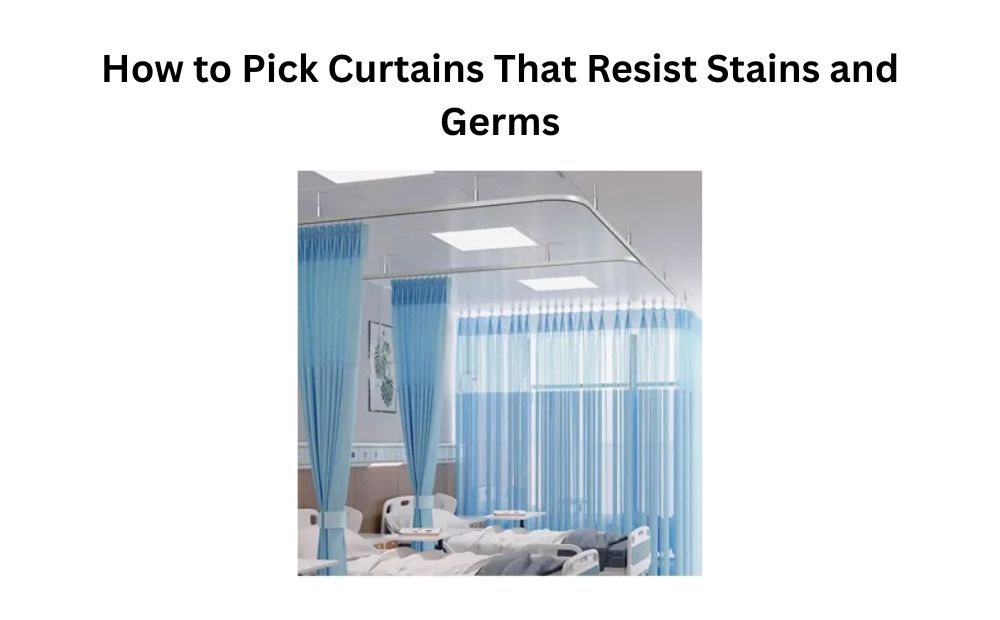
Introduction
In hospitals, clinics, and healthcare centers, maintaining a safe and hygienic environment is very important. One small but essential part of this is the Hospital Medical Curtains. They play a key role in patient privacy, infection control, and overall hospital safety. In this article, we will explain what hospital medical curtains are, why they are important, the types available, and how to maintain them.
Note :- Hospital Medical Curtains are essential for maintaining privacy, hygiene, and safety in healthcare settings. They are designed with durable, easy-to-clean materials that prevent the spread of germs while providing patients with comfort and privacy
What Are Hospital Medical Curtains?

Hospital Medical Curtains are specially designed curtains used in hospitals, clinics, and other healthcare facilities. They are placed around patient beds, in operation theaters, or in consultation rooms to provide privacy. Unlike regular curtains, medical curtains are made with materials that prevent the spread of germs and can be cleaned easily.
Why Hospitals Use Medical Curtains
Hospitals use these curtains for several reasons:
-
Patient Privacy: Curtains create a private space around a patient’s bed, making it easier for patients to feel comfortable during examinations or treatment.
-
Infection Control: They are made from fabrics that can resist bacteria and viruses, reducing the risk of infection spreading.
-
Safety: Medical curtains can also act as a barrier in case of minor spills or contamination.
-
Organization: They help separate different areas in a hospital, making the environment more organized and less stressful for patients.
Types of Hospital Medical Curtains
There are different types of Hospital Medical Curtains, and each is designed for specific needs.
1. Bedside Curtains
Bedside curtains are the most common type used in hospitals. They surround the patient’s bed to give privacy and reduce disturbances from nearby activity. These curtains are often lightweight, easy to move, and washable.
2. Isolation Curtains
Isolation curtains are used in areas where patients may have infectious diseases. These curtains are made from materials that prevent germs from spreading. They are usually treated with antimicrobial coatings to kill bacteria and viruses.
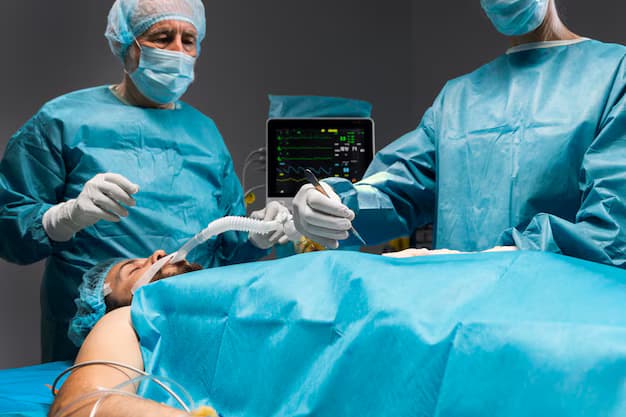
3. Surgical Curtains
Surgical curtains are used in operating rooms. They are made from materials that are resistant to fluids and germs. These curtains help create a sterile environment and reduce the risk of infection during surgeries.
4. Shower and Bathroom Curtains
In hospital bathrooms or patient shower areas, special waterproof medical curtains are used. These curtains prevent water from spilling onto the floor, reducing the risk of accidents and maintaining hygiene.
5. Ceiling Track Curtains
Ceiling track curtains are mounted on tracks attached to the ceiling. They allow easy movement around patient beds and can be drawn or pulled back as needed. These are very common in busy hospitals and emergency rooms.
Materials Used in Hospital Medical Curtains
The materials used in Hospital Medical Curtains are different from regular home curtains. They are designed to meet hospital standards for hygiene, durability, and safety.
1. Anti-Microbial Fabric
Many medical curtains are made from anti-microbial fabrics. These fabrics prevent the growth of bacteria, fungi, and other germs. This is important in hospitals to reduce the spread of infections.
2. Flame-Retardant Material
Some curtains are treated to be flame-retardant. In case of a fire, these curtains will not catch fire easily, increasing safety for patients and hospital staff.
3. Waterproof and Stain-Resistant Fabric
Curtains used in bathrooms, showers, or around beds often come with a waterproof and stain-resistant coating. This makes cleaning easier and prevents the curtains from holding onto dirt or germs.
4. Recyclable and Eco-Friendly Material
Some hospitals are now using curtains made from eco-friendly and recyclable materials. These are better for the environment and still meet all hygiene and safety requirements.
Benefits of Hospital Medical Curtains
Using Hospital Medical Curtains in hospitals provides many benefits.
1. Protects Patient Privacy
Privacy is very important in hospitals. Curtains provide a private space for patients, which makes them feel comfortable during treatments, examinations, or personal care.
2. Helps Prevent Infection
Medical curtains made from anti-microbial and fluid-resistant materials help reduce the spread of germs. This protects both patients and healthcare staff.
3. Easy to Clean
Unlike regular curtains, hospital curtains are designed to be cleaned easily. Most can be washed frequently without losing their protective features.
4. Long-Lasting
High-quality medical curtains are durable and can withstand frequent washing, sunlight, and wear. This makes them cost-effective for hospitals.
5. Adds Organization
Curtains help in organizing the hospital space. By separating patient areas, they make the hospital look more orderly and professional.
How to Maintain Hospital Medical Curtains
Maintenance is very important to ensure Hospital Medical Curtains remain clean, safe, and effective.
1. Regular Cleaning
Curtains should be washed regularly according to hospital guidelines. Washing removes dust, germs, and stains that can accumulate over time.
2. Use Anti-Microbial Spray
Even after washing, spraying curtains with anti-microbial solutions can add an extra layer of protection against germs.
3. Check for Damage
Curtains should be checked regularly for tears, stains, or worn-out areas. Damaged curtains should be replaced immediately to maintain safety and hygiene.
4. Proper Handling
Staff should handle medical curtains with care. Pulling or dragging them roughly can damage the fabric or the ceiling tracks. Proper handling increases their life.
5. Follow Hospital Guidelines
Each hospital may have specific rules for cleaning and replacing medical curtains. Following these guidelines is important to maintain hygiene standards.
Where Hospital Medical Curtains Are Used
Medical curtains are used in many areas of a hospital to ensure safety and comfort.
1. Patient Wards
In wards with multiple beds, curtains provide privacy for each patient. They also help in reducing noise and disturbance.
2. Emergency Rooms
Emergency rooms are busy and crowded. Curtains help create separate spaces for patients and provide a calm environment for treatment.
3. Operation Theaters
Surgical curtains in operation theaters help maintain a sterile environment. They prevent germs and fluids from spreading during surgeries.
4. ICU and Critical Care Units
In ICUs, privacy and infection control are very important. Curtains help separate patients and prevent contamination.
5. Consultation Rooms
Medical curtains in consultation rooms ensure patient privacy during discussions with doctors.
6. Bathrooms and Shower Areas
Waterproof medical curtains in bathrooms help maintain hygiene and prevent water from spilling onto the floor.
How to Choose the Right Hospital Medical Curtains
Choosing the right curtains is very important for hospital safety and comfort. Here are some tips:
1. Material Quality
Choose curtains made from anti-microbial, flame-retardant, and waterproof materials. These features ensure safety and hygiene.
2. Easy to Clean
Curtains should be easy to remove, wash, and replace. Hospitals should choose curtains that can handle frequent cleaning.
3. Size and Fit
Curtains should be the right size for the area they are covering. Bedside curtains, ceiling track curtains, and shower curtains all have different size requirements.
4. Durability
High-quality curtains last longer and reduce replacement costs. Choose durable fabrics that can withstand hospital use.
5. Style and Color
While function is more important, hospitals can choose colors that create a calm and soothing environment for patients. Soft colors like blue, green, or beige are popular choices.
Innovations in Hospital Medical Curtains
Modern hospitals are now using advanced medical curtains with special features:
1. Anti-Bacterial Coatings
Some curtains have special coatings that kill bacteria and viruses on contact. This further reduces the risk of infections.
2. Fire-Resistant Fabrics
Fire-resistant fabrics are being used more widely to increase safety in case of emergencies.
3. Easy-Move Systems
Advanced ceiling tracks allow curtains to move smoothly and quietly. This helps staff and patients avoid disruptions.
4. Eco-Friendly Options
Hospitals are now considering eco-friendly and recyclable curtains. They help reduce waste while still maintaining hygiene standards.
Conclusion
Hospital Medical Curtains are more than just pieces of fabric. They are an essential part of healthcare facilities, ensuring patient privacy, infection control, safety, and organization. Choosing the right curtains, maintaining them properly, and using modern features can make hospitals safer and more comfortable for patients.
For hospitals, clinics, and care centers, investing in high-quality medical curtains is not just about appearance—it is about patient care and safety. By selecting the right material, type, and maintenance routine, hospitals can create a healthier, cleaner, and more professional environment.
For more insightful articles related to this topic, feel free to visit blogingers.com


 Roll Offs Roll Offs
 Calgary Cash4 Cars