Prasanna Kadam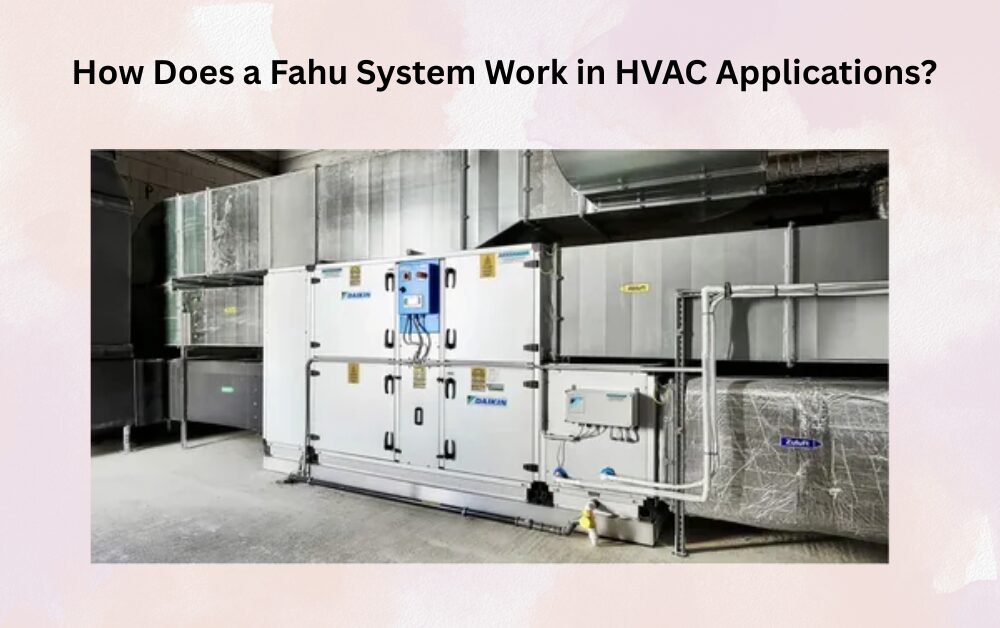
In modern buildings, maintaining comfortable indoor air quality is very important. A Fahu system is one of the key components used in heating, ventilation, and air conditioning (HVAC) applications. It helps regulate air temperature, humidity, and overall comfort in residential, commercial, and industrial spaces. In this article, we will explain how a Fahu system works, its benefits, and why it is essential for HVAC applications.
What Is a Fahu System?

A Fahu system, often called a Fresh Air Handling Unit (FAHU), is a specialized HVAC device that brings fresh air from outside into a building while filtering and conditioning it. Unlike traditional systems that simply circulate indoor air, a Fahu system ensures a continuous supply of clean, filtered air, which improves indoor air quality and comfort.
Why Fahu Systems Are Important
Fahu systems are especially important in large buildings such as offices, hotels, hospitals, and shopping malls. They help remove pollutants, control humidity, and maintain the right temperature. By supplying fresh and clean air, they prevent stuffy environments and reduce the risk of airborne illnesses.
Components of a Fahu System
A typical Fahu system consists of several important components, each playing a role in ensuring the system works efficiently.
Air Intake and Filters
The system starts with an air intake, which brings outdoor air into the unit. This air passes through filters that remove dust, pollen, and other impurities. Clean air is essential to protect the building’s HVAC system and the health of occupants.
Heating and Cooling Coils
After filtering, the air passes through heating or cooling coils depending on the season. In summer, the cooling coils lower the temperature, while in winter, the heating coils raise it. These coils ensure that the air entering the building is comfortable for the occupants.
Humidifiers and Dehumidifiers
Some Fahu systems include humidifiers or dehumidifiers to control the level of moisture in the air. Proper humidity control prevents dryness in winter and excessive moisture in summer, which can cause discomfort or even structural damage.
Fans and Blowers
Fans or blowers push the conditioned air into the building’s ductwork. They maintain proper airflow and distribute fresh air evenly throughout the space. The speed and capacity of the fan determine how efficiently the system works.
Control Systems
Modern Fahu units are equipped with control systems that allow precise management of temperature, humidity, and airflow. These controls can be manual or automated, providing convenience and energy efficiency.
How a Fahu System Works
Understanding the working process of a Fahu system helps appreciate its importance in HVAC applications.
Step 1: Drawing Fresh Air
The system starts by drawing fresh air from outside the building through the air intake. This fresh air is essential for improving indoor air quality.
Step 2: Filtering the Air
Once the air enters the Fahu unit, it passes through filters that remove dust, dirt, pollen, and other particles. Some advanced systems also include HEPA filters for higher air purification, which is important in hospitals and laboratories.
Step 3: Conditioning the Air
Filtered air then passes through heating or cooling coils. Depending on the weather, the air is either cooled or heated to the desired temperature. The system may also adjust humidity to maintain comfort.
Step 4: Distributing the Air
After conditioning, fans or blowers push the air into the building’s ductwork system, distributing it to different rooms or zones. The airflow is carefully controlled to ensure even temperature and comfort throughout the building.
Step 5: Exhausting Stale Air
Many Fahu systems also remove stale indoor air to prevent the buildup of carbon dioxide, odors, and pollutants. The combination of fresh air intake and exhaust helps maintain a healthy indoor environment.
Benefits of Using a Fahu System
Installing a Fahu system in your HVAC setup offers many benefits, especially for large buildings or spaces with high occupancy.
Improved Indoor Air Quality
Fahu systems continuously supply clean, filtered air, reducing dust, allergens, and pollutants. This is particularly important in offices, hospitals, and schools where people spend many hours indoors.
Energy Efficiency
Modern Fahu systems are designed to save energy by controlling airflow, temperature, and humidity efficiently. They often include heat recovery features that use energy from exhaust air to precondition incoming fresh air.
Enhanced Comfort
By controlling temperature and humidity, Fahu systems ensure a comfortable indoor environment. Proper airflow distribution prevents hot or cold spots in rooms, keeping everyone comfortable.
Health Benefits
Fresh, clean air reduces the risk of airborne illnesses, allergies, and respiratory problems. In healthcare facilities, laboratories, and kitchens, this is crucial for the safety and wellbeing of occupants.
Compliance With Building Regulations
Many local building codes require proper ventilation in commercial and industrial buildings. Fahu systems help meet these standards while maintaining high performance and efficiency.
Maintenance Tips for Fahu Systems
Like any HVAC system, Fahu units require regular maintenance to operate efficiently.
Regular Filter Cleaning
Filters should be cleaned or replaced regularly to prevent clogging and maintain air quality.
Checking Coils and Fans
Inspect heating and cooling coils, as well as fans, to ensure proper operation. Dirty coils or faulty fans can reduce efficiency and increase energy costs.
System Inspection
Professional technicians should inspect the entire Fahu system periodically to check for leaks, airflow issues, and electrical problems.
Control System Calibration
Automated controls should be calibrated and updated to maintain accurate temperature and humidity settings.
Conclusion
A Fahu system plays a critical role in modern HVAC applications by providing fresh, clean, and conditioned air to buildings. From its air intake and filters to heating/cooling coils, fans, and control systems, every component works together to maintain comfort and health indoors.
By installing and maintaining a Fahu system, building owners can improve indoor air quality, enhance energy efficiency, and ensure the comfort and safety of occupants. Whether in offices, hospitals, hotels, or large residential buildings, Fahu systems are a smart investment for reliable HVAC performance.
For more insightful articles related to this topic, feel free to visit: blogingers.com


 ipl betting tips