Wind Fan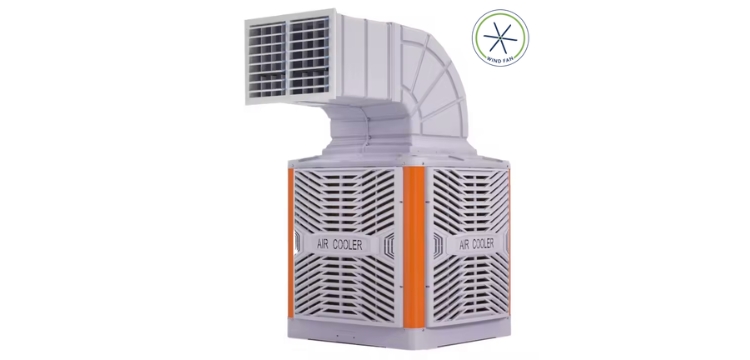
Greenhouses create controlled environments that allow farmers and growers to cultivate crops throughout the year. By protecting plants from harsh weather conditions and external threats, greenhouses provide stability that supports consistent production. However, maintaining the right balance of temperature, humidity, and airflow inside a greenhouse is essential for optimal plant health. Without proper ventilation, even the most advanced greenhouse structures can struggle to deliver strong yields.
One of the most critical components of effective climate control is greenhouse exhaust fans. These systems are designed to remove excess heat, humidity, and stale air from the enclosed space, ensuring fresh air circulation that supports plant development. By regulating environmental conditions, they play a direct role in improving crop quality and productivity.
The Importance of Proper Ventilation in Greenhouses
Ventilation is fundamental to maintaining a balanced growing environment. Inside a greenhouse, sunlight enters through transparent panels and generates heat. While warmth is beneficial for plant growth, excessive heat can cause stress, slow development, and even damage crops. High humidity levels can also create favorable conditions for mold, mildew, and fungal diseases.
An efficient exhaust system helps control these variables. By expelling hot, humid air and allowing cooler, fresh air to enter, it stabilizes internal conditions. This balance ensures that plants receive the right temperature range and adequate airflow, both of which are necessary for healthy photosynthesis and nutrient absorption.
Good airflow also strengthens plant structure. Gentle air movement encourages stronger stems and reduces the likelihood of weak or fragile growth. In addition, proper ventilation minimizes the accumulation of harmful gases that may build up in enclosed environments.
Controlling Temperature for Optimal Growth
Temperature management is one of the biggest challenges in greenhouse farming. During peak summer months, interior temperatures can rise rapidly, especially in regions with intense sunlight. Overheating can lead to wilting, reduced fruit production, and lower overall yields.
Exhaust fans work by drawing out hot air that collects near the roof of the structure. This prevents heat buildup and maintains a consistent internal climate. By keeping temperatures within an optimal range, growers can protect delicate crops and extend growing seasons.
Stable temperature control also allows for better planning. Farmers can cultivate temperature-sensitive crops with greater confidence, knowing that ventilation systems help prevent sudden spikes that might otherwise cause damage.
Managing Humidity Levels Effectively
Humidity plays a crucial role in plant health. While plants require moisture for growth, excessive humidity can create serious problems. High moisture levels encourage fungal infections and pest infestations, which can quickly spread throughout the greenhouse.
Exhaust systems remove moist air and help maintain balanced humidity levels. This not only reduces disease risks but also improves transpiration, the natural process through which plants release water vapor. Proper transpiration supports nutrient movement from roots to leaves, contributing to overall plant vigor.
Maintaining the right humidity balance ensures healthier crops and reduces the need for chemical treatments, making greenhouse operations more sustainable and environmentally friendly.
Enhancing Air Quality and Carbon Dioxide Balance
Plants depend on carbon dioxide for photosynthesis. In enclosed environments, carbon dioxide levels can fluctuate, especially during periods of intense growth. Poor air circulation may lead to uneven distribution of gases, limiting plant performance.
Exhaust fans facilitate consistent air exchange, bringing in fresh air that replenishes carbon dioxide levels. This steady supply supports continuous photosynthesis and promotes faster growth rates. Improved air quality also reduces the concentration of airborne pathogens and dust particles, creating a cleaner growing environment.
Balanced airflow ensures that all plants within the greenhouse receive equal exposure to fresh air, preventing stagnant pockets that may hinder development.
Energy Efficiency and Sustainable Farming
Modern greenhouse operations increasingly prioritize energy efficiency and sustainability. Advanced exhaust systems are designed to deliver high airflow performance while consuming minimal electricity. This reduces operational costs and supports eco-friendly agricultural practices.
Energy-efficient ventilation can also decrease reliance on mechanical cooling systems. By naturally regulating temperature and humidity through air exchange, growers can reduce overall energy consumption.
Sustainable farming practices not only lower expenses but also appeal to environmentally conscious consumers. Investing in efficient ventilation systems demonstrates a commitment to responsible resource management and long-term agricultural success.
Choosing the Right Exhaust Fan for Your Greenhouse
Selecting the appropriate ventilation system requires careful consideration of greenhouse size, crop type, and climate conditions. Larger structures require higher airflow capacity to ensure effective temperature and humidity control. The placement of fans is equally important to ensure uniform air distribution throughout the space.
Durability is another key factor. Greenhouses often operate in humid environments, so corrosion-resistant materials and strong motors are essential for long-lasting performance. Easy maintenance features also contribute to consistent operation and reduced downtime.
Proper installation and regular inspection ensure that the system continues to function efficiently. Routine cleaning and monitoring help maintain strong airflow and prevent blockages that could compromise ventilation effectiveness.
Supporting Higher Yields and Better Crop Quality
Healthy environmental conditions directly influence crop productivity. When plants grow in balanced temperatures and humidity levels, they experience less stress and produce higher-quality yields. Fruits and vegetables develop better color, size, and flavor under stable conditions.
Effective ventilation also shortens recovery time after watering or high-humidity periods. This consistency supports predictable growth cycles and enables growers to meet market demands more reliably.
By integrating efficient exhaust systems into greenhouse design, farmers create an environment where crops can thrive year-round.
Conclusion
Greenhouse farming depends on precise environmental control to ensure healthy and productive crops. Proper ventilation is a cornerstone of this control, managing temperature, humidity, and air quality within enclosed growing spaces. Exhaust fans provide the necessary airflow to prevent overheating, reduce disease risks, and promote balanced plant development.
Investing in a reliable ventilation system enhances crop quality, improves sustainability, and supports long-term agricultural success. For growers seeking consistent yields and healthier plants, effective greenhouse exhaust solutions are truly the key to thriving crop growth.


 Bill Blair Business Broker
 Serendipity Research Peptides