Rohit Verma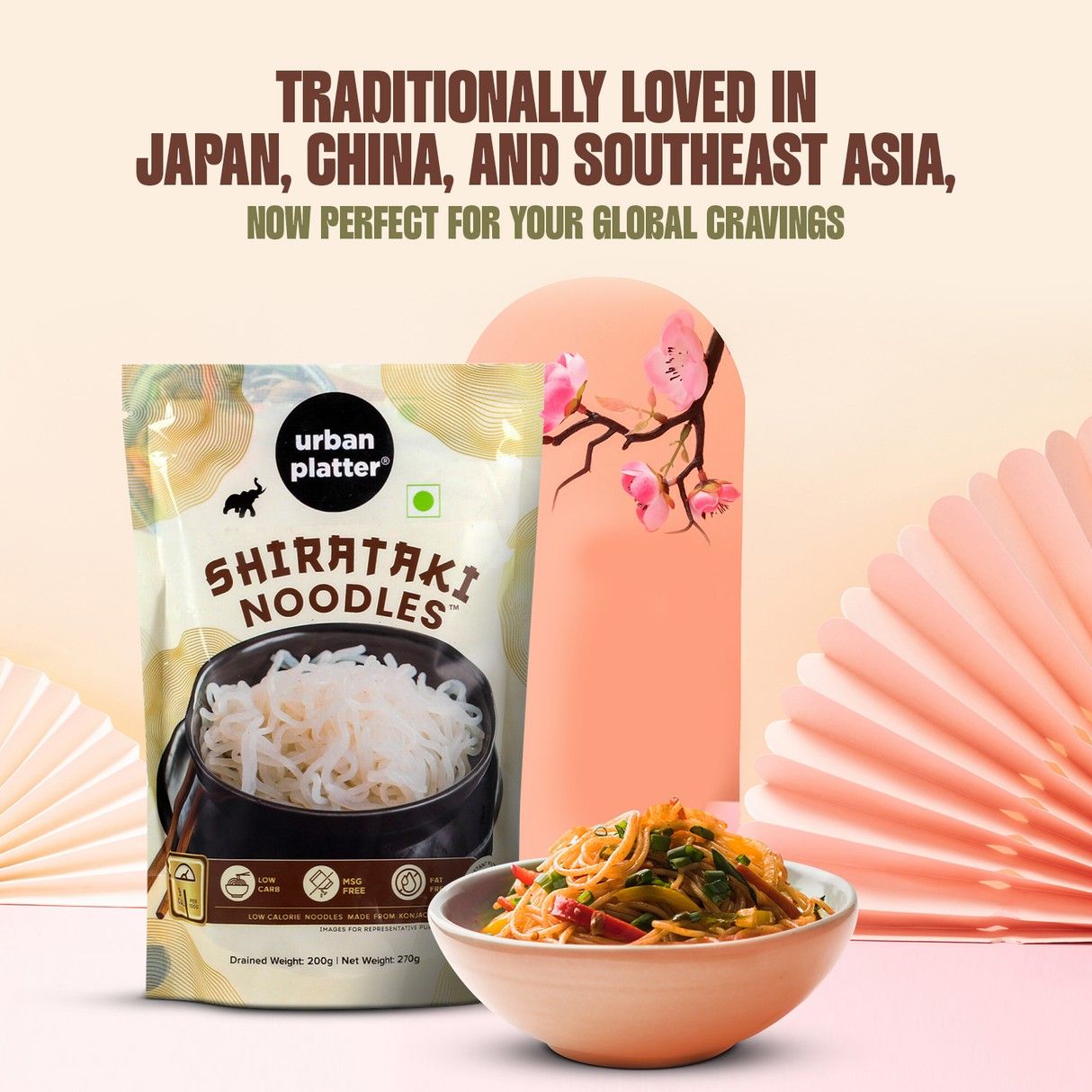
If you’ve ever opened a pack of konjac noodles and immediately noticed a strong smell, you’re not alone. Many first-time users are surprised by it. The good news? It’s completely normal — and very easy to fix.
Konjac noodles, commonly known as Shirataki Noodles, are popular for being low in calories and carbs. They’re often chosen by people following keto, low-carb, gluten-free, or calorie-conscious diets. But to truly enjoy them, you need to prepare them properly.
Let’s walk through exactly how to cook Shirataki Noodles the right way — without the smell and without ruining the texture.
What Are Shirataki Noodles?
Shirataki Noodles are made from konjac root, a plant native to parts of Asia. The main component is glucomannan fiber, which gives the noodles their unique texture and very low calorie content.
They usually come packed in liquid. When you open the packet, you may notice a slightly fishy or earthy odor. Don’t worry — the smell comes from the liquid they’re stored in, not from spoilage.
Once rinsed and cooked properly, Shirataki Noodles have almost no smell or taste, making them perfect for absorbing flavors from sauces and seasonings.
Why Do Konjac Noodles Smell?
The odor comes from calcium hydroxide water used to keep the noodles stable and maintain their shape. It’s harmless but unpleasant if not removed.
The key to enjoying Shirataki Noodles is simple: rinse, boil, and dry roast.
Let’s break this down step by step.
Step-by-Step Guide to Cooking Shirataki Noodles Properly
Step 1: Drain the Liquid Immediately
Open the packet and pour the noodles into a strainer. Discard all the packaging liquid. Don’t skip this step — that liquid is the main source of the smell.
Step 2: Rinse Thoroughly (Very Important!)
Rinse the noodles under running water for at least 2–3 minutes. Use your hands or tongs to gently separate them while rinsing.
This step removes most of the odor. Many people rush this part, but thorough rinsing makes a huge difference.
Step 3: Boil for 2–3 Minutes
Next, place the rinsed Shirataki Noodles into boiling water and cook for about 2 to 3 minutes.
Boiling helps:
-
Remove any remaining odor
-
Improve the texture
-
Prepare them for seasoning
After boiling, drain them again completely.
Step 4: Dry Roast in a Pan (The Game-Changer Step)
This is the most important step that many people miss.
Place the drained noodles into a dry, non-stick pan over medium heat. Do not add oil yet.
Stir them for about 4–6 minutes. You’ll notice steam coming off — that’s excess moisture evaporating. Keep stirring until the noodles look slightly dry and you hear a faint squeaking sound.
This step:
-
Eliminates any remaining smell
-
Improves texture
-
Helps sauces stick better
Once dry, they’re ready to absorb flavor.
Now You Can Cook Them Like Regular Noodles
After dry roasting, you can treat Shirataki Noodles like any other pasta or noodle.
Add:
-
Garlic and olive oil
-
Stir-fry vegetables
-
Soy sauce and chili paste
-
Creamy sauces
-
Pesto
-
Thai-style peanut sauce
Because Shirataki Noodles are neutral in flavor, they absorb whatever you cook them with.
Texture Tips for Better Results
Some people say konjac noodles feel rubbery. That usually happens when they’re not cooked properly.
To improve texture:
-
Always dry roast after boiling
-
Don’t overcook in sauce
-
Avoid drowning them in watery gravies
Think of them as flavor carriers rather than traditional wheat pasta.
Creative Ways to Serve Shirataki Noodles
Here are some easy ideas:
1. Low-Carb Stir Fry
Toss with bell peppers, mushrooms, soy sauce, and sesame oil.
2. Keto Garlic Butter Noodles
Add butter, minced garlic, and parmesan.
3. Asian-Inspired Bowl
Pair with sautéed vegetables and top with protein of your choice.
4. Protein Snack Bowl Combo
You can even create a balanced bowl with Shirataki Noodles, grilled veggies, and a crunchy topping like Roasted Edamame for added texture and plant protein.
Adding Roasted Edamame brings contrast and extra nutrition, making the dish more satisfying.
Common Mistakes to Avoid
Let’s quickly cover what not to do:
- Don’t skip rinsing
- Don’t cook directly from packet to pan
- Don’t add sauce before dry roasting
- Don’t expect them to taste like regular wheat noodles
When prepared correctly, Shirataki Noodles have a light, slightly chewy texture that works beautifully in stir-fries and low-carb meals.
Are Shirataki Noodles Healthy?
Shirataki Noodles are:
-
Very low in calories
-
Low in carbs
-
Gluten-free
-
Vegan
-
High in fiber
Because they are mostly fiber and water, they can help you feel full without adding many calories. However, balance is key. Pair them with protein and vegetables for a complete meal.
Do They Always Smell?
No. The smell disappears once properly rinsed, boiled, and dry roasted.
If the odor remains strong even after rinsing and boiling, double-check the expiration date. But in most cases, proper preparation completely solves the issue.
Final Thoughts
Cooking konjac noodles properly is simple once you know the trick. The smell that many people worry about is easy to remove with three basic steps: rinse well, boil briefly, and dry roast thoroughly.
When handled correctly, Shirataki Noodles become a versatile, low-carb base for countless dishes. They may not replace traditional pasta entirely, but they’re a fantastic alternative for lighter meals.
And if you’re building balanced bowls, consider pairing them with vegetables, lean proteins, or even crunchy toppings like Roasted Edamame for extra texture and nutrition.
With the right technique, Shirataki Noodles can go from confusing to delicious in just minutes.


 Optoma India
 Lorraine Smith