Jacky gohel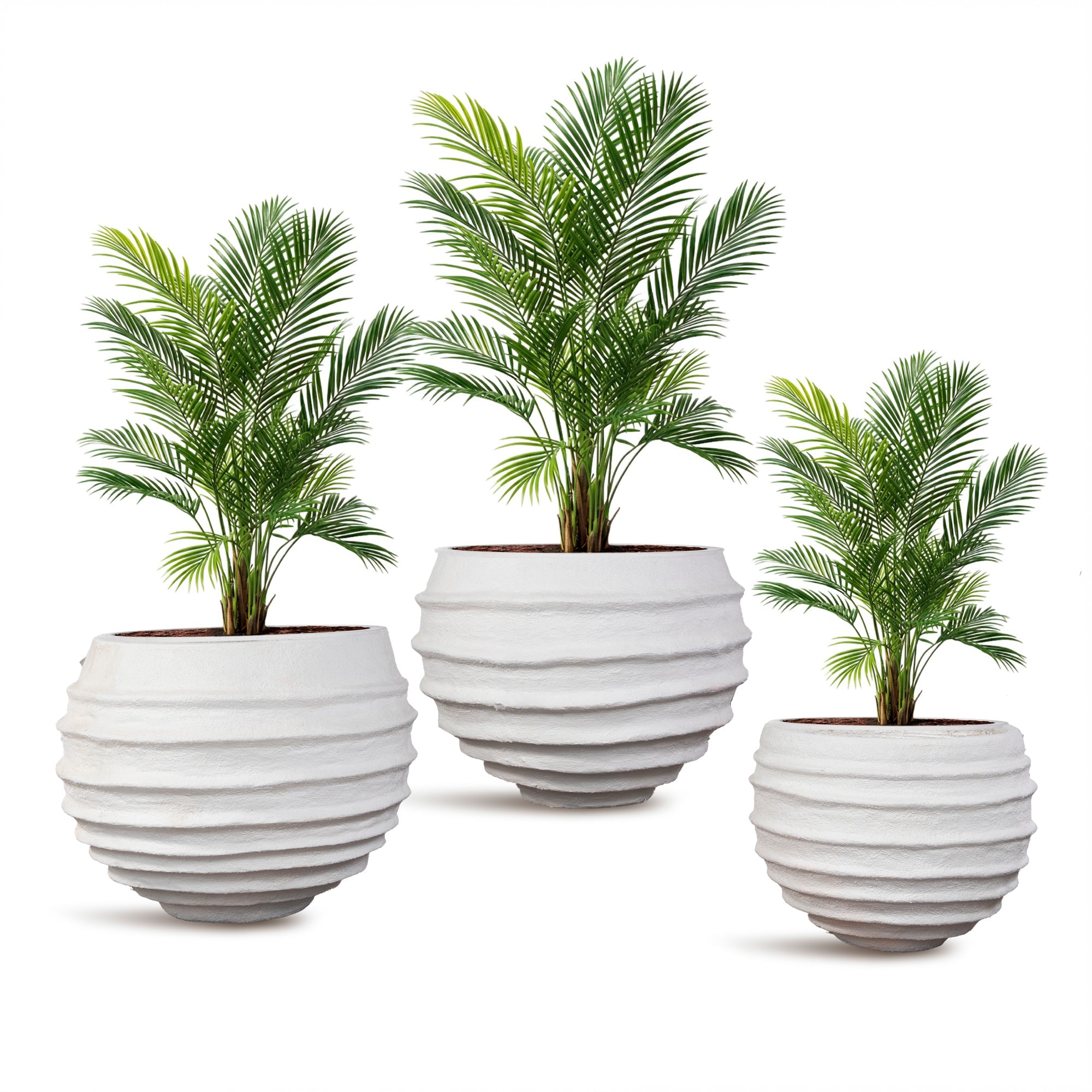
Selecting the perfect outdoor planter is about more than just appearance. While design and style are important, the material used plays a major role in durability, maintenance, and overall performance—especially in diverse climates across the USA. Understanding different outdoor planter materials helps homeowners, designers, and property managers make smart, long-lasting investments.
Outdoor environments expose planters to sunlight, rain, wind, temperature shifts, and sometimes heavy foot traffic. Not all materials respond the same way to these conditions. Traditional clay or terracotta pots, for example, offer a classic look but can crack easily in extreme weather. Plastic options are lightweight and affordable, yet they may fade or become brittle over time.
One of the most preferred outdoor planter materials today is art stone. This advanced blend offers the elegant appearance of natural stone while remaining significantly lighter and more resistant to cracking. It handles UV exposure well and maintains its finish even after years outdoors. For modern residential patios or commercial landscapes, art stone planters provide both style and strength.
Fiberglass is another popular option for a contemporary outdoor planter. It is extremely lightweight, making it easy to reposition, and it resists corrosion and weather damage. This makes it ideal for rooftop gardens, balconies, and large commercial installations where weight is a concern.
Metal planters, often made from aluminum or powder-coated steel, create a sleek, industrial look. However, they may heat up quickly under direct sunlight, which can affect plant health if not properly insulated. Wood planters bring a natural aesthetic but typically require regular sealing and maintenance to prevent rot or weather damage.
When choosing the right outdoor planter, climate should always be considered. In coastal areas, materials must resist salt air corrosion. In hot states like California, UV resistance becomes essential to prevent fading and structural weakening. In colder regions, freeze-thaw durability is critical to avoid cracks.
Beyond durability, maintenance is another deciding factor. High-quality outdoor planter materials often require minimal upkeep, saving time and long-term costs. Lightweight yet sturdy materials also allow for flexibility in design changes without heavy labor.
Ultimately, the right outdoor planter material balances aesthetics, functionality, and climate compatibility. Whether you’re upgrading a home garden or designing a large commercial space, choosing the appropriate material ensures that your investment lasts for years while maintaining its visual appeal.
If you’re planning to install new outdoor planters, take time to evaluate material quality and long-term performance before making a decision. The right choice today can elevate your outdoor space for years to come.

 Oliver oliver