jack smith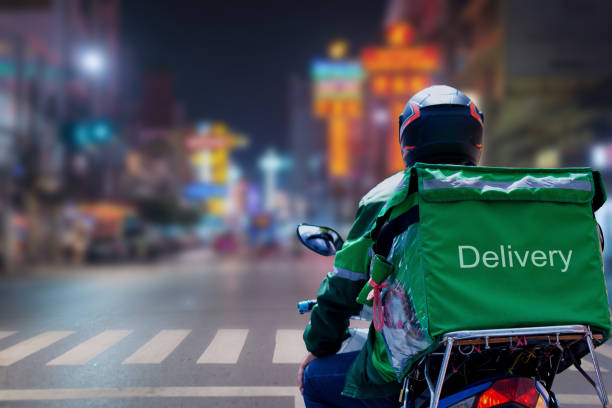
Quick commerce, also known as Q-commerce, is a fast-emerging model of niche grocery delivery that has developed to a wider-scale retail fulfillment model in India. Having the ability to deliver products in about 10-30 minutes, the quick commerce platforms are transforming the understanding of convenience since the users will have access to most of their daily necessities near-instantly. According to the report released by MarkNtel Advisors, the India quick commerce market is expected to increase at a compound annual growth rate (CAGR) rate of approximately 67 in the 2025-2030, which is one of the highest growth rates in the Indian digital retail segment.
This growth is indicative of more profound changes in both consumer behavior and city living as well as in logistics infrastructure, making quick commerce a structural change and not a fad.
The Shift Toward Instant Retail Consumption
Changing the habit of large-value, occasional shopping to small-value, daily purchases is one of the characteristic impulse pushes of quick commerce in India. The use of instant delivery services is growing among consumers to address unexpected or emergent demands, including grocery and snacks, as well as personal care products. This trend is more pronounced among the professionals in the workplace and city families, as time and convenience are considered buyers.
This trend has been increased by urbanization. With the increasing number of people flocking to the urban centers in search of jobs and education, daily timetables have become stressful and less time has been left to spend shopping in-store. Quick commerce platforms are a response to this and manage this limitation by combining the digital ordering with rapid delivery, and essentially extending the neighborhood shops to the mobile application.
Dark Stores: The Infrastructure Behind Speed
Quick commerce is supported by the operational core of so-called “dark stores” that are small and strategically positioned fulfillment centers that serve only online orders. In contrast to conventional warehouses, in dark stores, the proximity to residential groups is achieved, which could allow quicker dispatch and delivery. Firms are aggressively expanding these networks to enhance effectiveness and coverage of delivery.
These systems are developed in such a way that they can maximize the inventory turnover and the route planning so that the frequently ordered products are easily available. Dark stores enable the companies to always deliver on time and within minutes instead of hours, as it reduces travelling distance, makes picking and packing quick and efficient.
This infrastructural based solution has enabled faster commerce-based solutions to expand over cities outside of the major metropolis, slowly trickling down to tier-2 cities.
Expanding Beyond Groceries
Although groceries constituted the core of the quick business in India, the product line has been diversified in a great way. There are some categories like snacks and drinks, home and personal care, that are provided by platforms as well as some electronics and lifestyle products. Among them, snacks and drinks have occupied a better portion as a result of good demand by the working professionals and the younger generation who are in need of convenient ready-to-consume foods.
This diversification is symptomatic of the changing nature of the quick commerce platform, a service that was initially a grocery delivery business and has since developed into a full-fledged last-mile retailing platform. Expanding product portfolios, companies are raising the frequency of orders and making customers rely on delivery systems of the instant delivery ecosystem.
Startup Activity and Investment Momentum
Startups and digital-first firms have also largely influenced the rapid commerce ecosystem in India. Large apps like Blinkit, Zepto, Swiggy Instamart, Dunzo Daily, and BB Now have targeted significant capital and have grown very fast within the urban areas. Strategic investments and funding rounds have helped these companies to expand infrastructure, advance technology in logistics and deliver efficiency.
This inflow of money has also increased competition that promotes innovation with regards to inventory management, delivery routing and customer experience. Firms are also trying new hybrid structures of owned dark stores, but with partnerships with local retailers, to aid in balancing operations and expansion rate.
Pandemic-Driven Acceleration and Long-Term Behavioral Change
The adoption of quick commerce in India was characterized by the COVID-19 pandemic. The limits on the movement and safety increased the transition to online ordering with retailers and delivery services enhancing their instant delivery services. This is the time when new entrants were found and existing players increased aggressively to satisfy the growing demand.
Despite the freedom of movement increasing, most of the consumption patterns that were developed in the pandemic have remained. Customers are now used to getting products delivered within a short period, and fast business sites have kept on improving their service to keep customers entertained.
Regional Expansion and Urban Growth Patterns
The adoption of the use of quick commerce has been especially high in large city centers, where population density and support of an effective delivery network are high. Such southern cities as Bengaluru, Hyderabad, Chennai and Kochi have had an impressive growth with high digital penetration, growing working population and vibrant startup ecosystems.
Nevertheless, growth is slowly spreading to other urban centres outside these main markets. With rising logistics infrastructure and a growing consumer awareness, the quick commerce platforms are also focusing on new urban clusters that can be captured by new demand.
Integration with India’s Digital Commerce Ecosystem
The swift expansion of quick commerce is directly connected with the digital transformation of India in the general. The increasing smartphone penetration, popularity of the internet, and the development of digital payment systems have facilitated an effortless ordering and payment experience. These technological facilitators decrease friction of buying and also facilitate the high frequency and low value transaction characteristic of quick commerce.
Simultaneously, fast business is also impacting supply chains as it promotes localized inventory control and immediate logistics coordination. This model is a contrast to the traditional e-commerce which tends to utilize centralized warehouses and considers lengthy delivery times.
Operational and Sustainability Considerations
As much as it is growing well, fast commerce companies are experiencing operational problems concerning profitability, infrastructure expenses, and delivery performance. The high maintenance of dark stores and delivery staff incurs a high cost and demand management.
Businesses are retaliating by streamlining delivery networks and enhancing their inventory control and using data analytics to forecast demand patterns. Another approach that is being considered is partnerships with local retailers and hybrid fulfillment models in order to balance speed with operational sustainability.
The Future of Instant Retail in India
Quick commerce is quickly becoming established as a permanent part of the Indian retail ecosystem and not a temporary offshoot of e-commerce. Its fast development is predetermined by the structural factors like urbanization, the evolving consumption pattern.
A fast trade is bound to be one of the key foundations of urban retail satisfaction as corporations keep on increasing infrastructure, diversifying products, and perfecting functional frameworks. Its development is a general shift in consumer behaviour in relating to retail- speed, availability, online convenience is becoming the new standard in daily buying choices.


 Oliver Smith
 Mark Denard