ali writer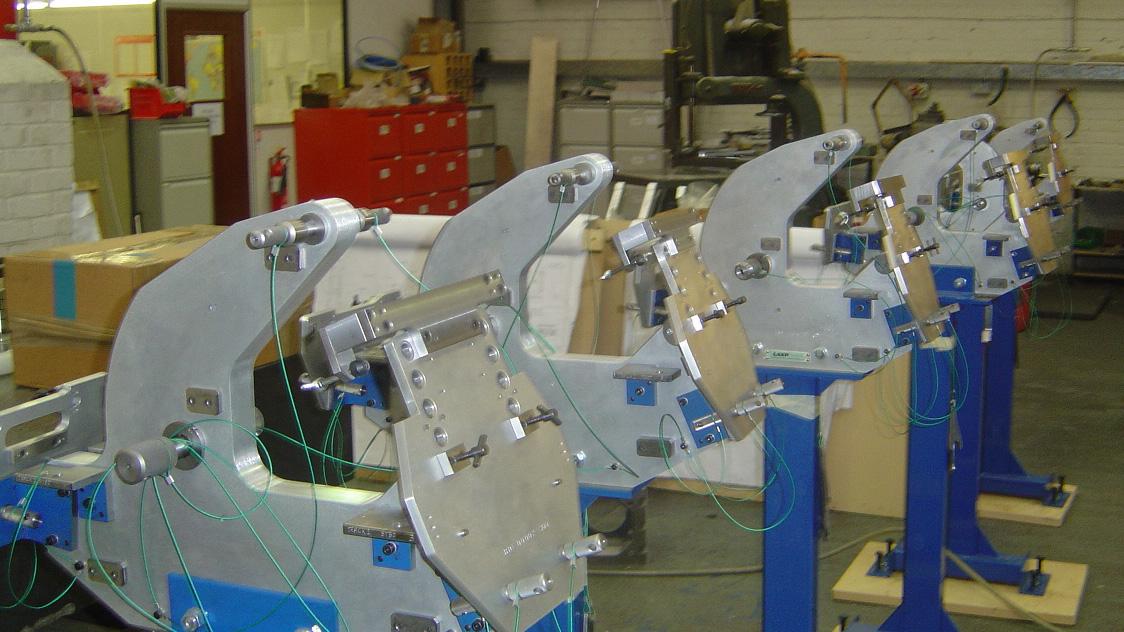
In the fast-paced world of industrial assembly, efficiency and precision are non-negotiable. Every assembly line, whether in automotive, electronics, or manufacturing, requires the perfect balance of speed and accuracy to meet stringent production goals and customer expectations. This is where assembly fixtures come into play. These devices are designed to hold and support parts during the assembly process, ensuring that each component is positioned accurately and securely. But the benefits of assembly fixtures go beyond just holding parts together. Let’s dive into how assembly fixtures can enhance both precision and productivity in industrial assembly.
To better understand the role of these fixtures, let’s explore their functions, benefits, and how they contribute to streamlining operations.
Assembly Fixtures are pivotal in ensuring that manufacturing processes run smoothly. With proper use, these fixtures reduce errors and enhance both the speed and quality of production lines.
What Are Assembly Fixtures?
Before diving into their advantages, let’s define assembly fixtures. In simple terms, an assembly fixture is a device used to position and support parts or components during an assembly process. It holds the workpieces in place, often with the help of clamps, jigs, or guides, ensuring they stay aligned while workers perform operations such as welding, fastening, or machining. These fixtures are designed to improve the speed and consistency of the assembly process.
The Importance of Precision in Industrial Assembly
Precision is the cornerstone of successful industrial assembly. Whether it’s building vehicles, machinery, or electronics, every part must fit perfectly for the final product to function properly. Even small misalignments or errors can lead to defects, product failure, and costly recalls. This is where assembly fixtures shine.
By holding parts in exact positions, assembly fixtures eliminate the risk of human error and ensure that each component is in its correct alignment. This precision helps to create high-quality products that meet rigorous industry standards.
Benefits of Assembly Fixtures in Improving Precision
1. Reduced Tolerance Errors
One of the most significant advantages of using assembly fixtures is their ability to reduce tolerance errors. Tolerance refers to the permissible limit of variation in a part’s dimensions. In industries like automotive manufacturing, where precision is critical, even the smallest deviation can lead to significant issues.
By using assembly fixtures, workers can align components accurately, reducing the likelihood of parts being too tight or too loose. This ensures that each assembly is performed to the required specifications, with minimal deviation from the ideal.
2. Enhanced Consistency
In large-scale manufacturing, consistency is key. Repeatedly achieving the same level of precision across thousands of units is no easy feat. However, assembly fixtures provide a level of repeatability that is difficult to achieve manually. These tools are designed to hold components in the exact same position every time, enabling workers to assemble parts with consistent results.
By using assembly fixtures, manufacturers can be confident that every product coming off the production line meets the same high standards, reducing the chance of defects and improving overall product quality.
3. Improved Measurement Accuracy
Measuring the accuracy of components during assembly is critical for ensuring that parts fit correctly. Without the right tools, it can be challenging to measure parts accurately, especially when they are in complex shapes or hard-to-reach positions.
Assembly fixtures often come equipped with built-in measuring tools or guides that allow workers to verify the accuracy of each part during the assembly process. This eliminates the need for additional measurement steps and ensures that each part is correctly aligned.
How Assembly Fixtures Improve Productivity
While precision is important, productivity is equally crucial in industrial assembly. The faster parts can be assembled without sacrificing quality, the more efficient the production process becomes. Assembly fixtures contribute to this in several ways.
4. Faster Setup Times
In manufacturing, time is money. The longer it takes to set up the assembly line or prepare a workstation, the more time and resources are wasted. Assembly fixtures help reduce setup times by providing a standardized method of positioning parts, which can be easily replicated across different workstations. This means less time spent adjusting and aligning components, allowing workers to focus on the actual assembly process.
5. Streamlined Workflow
By holding parts in the correct position, assembly fixtures streamline the entire workflow. Workers don’t need to spend time checking if parts are aligned properly or making adjustments. This reduces the chances of mistakes and delays, enabling the assembly process to move more smoothly.
With a faster workflow, manufacturers can increase their throughput, meet deadlines, and ultimately improve their bottom line. For example, by optimizing workstations with assembly fixtures, the assembly line becomes more efficient, and fewer components are scrapped due to errors.
6. Reduced Need for Manual Labor
Manual labor is often slow and prone to human error. Assembly fixtures minimize the need for excessive human intervention in the positioning and alignment of parts. This reduces strain on workers and frees up their time to focus on tasks that require more skill or attention.
As a result, manufacturers can increase production speed while also reducing the risk of injuries and fatigue among workers. Moreover, fewer workers are required to complete the same volume of work, lowering labor costs.
7. Better Utilization of Skilled Workers
Assembly fixtures allow skilled workers to focus on tasks that require their expertise, rather than spending time on repetitive and mundane tasks. For example, instead of spending time aligning parts, workers can focus on tasks like quality control, problem-solving, and overseeing the overall production process.
This better utilization of skilled labor not only increases productivity but also boosts employee satisfaction, as workers are able to contribute more meaningfully to the assembly process.
Customization and Adaptability of Assembly Fixtures
8. Tailored Fixtures for Specific Tasks
One of the great things about assembly fixtures is their ability to be customized to suit specific tasks or products. Different components may require different types of fixtures to hold them in place properly, and these can be designed to meet the needs of the product being assembled.
For example, a fixture designed for assembling complex circuit boards may look very different from one used in automotive assembly. These tailored fixtures ensure that the correct positioning is maintained, no matter the product.
9. Easy Adaptability to Changing Production Needs
As industries evolve, so too do production needs. Assembly fixtures are adaptable to these changes. If a manufacturer introduces a new product line or needs to adjust the assembly process, fixtures can be modified or replaced to accommodate the new requirements. This adaptability ensures that companies can continue to use their assembly fixtures even as their production needs evolve.
Conclusion
In the world of industrial assembly, precision and productivity are paramount. Assembly fixtures play a crucial role in achieving both. By ensuring that parts are positioned accurately and securely, these fixtures reduce tolerance errors, improve consistency, and enhance measurement accuracy. On the productivity side, assembly fixtures reduce setup times, streamline workflows, and minimize the need for excessive manual labor.
Ultimately, using high-quality assembly fixtures can help manufacturers deliver products of superior quality, meet tight deadlines, and increase profitability. As industries continue to evolve, the importance of these tools will only grow, making them an essential part of any efficient assembly process.
If you’re looking to optimize your assembly line and improve your manufacturing processes, check out assembly fixtures, and discover how they can revolutionize your production system. With the right fixtures, you can enhance both precision and productivity in your industrial assembly processes.


 crego pip
 Sandy Sana