Cone Rental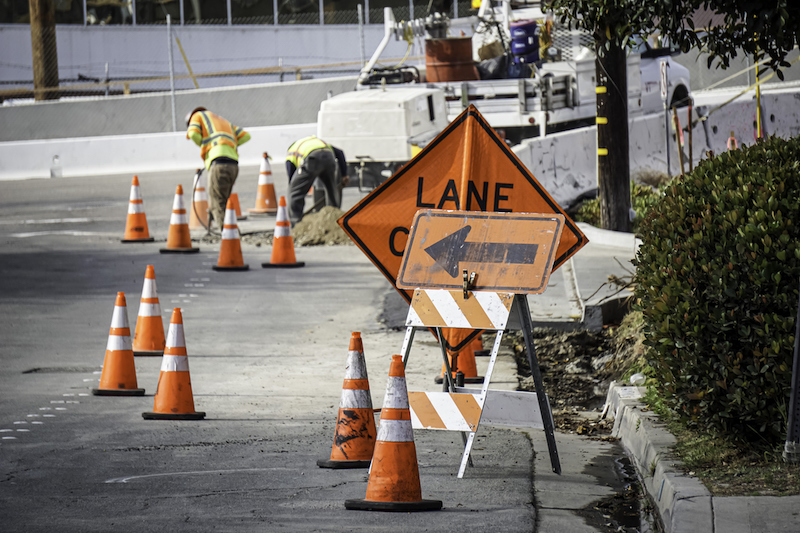
Temporary and permanent road activities require proper planning and visible control tools to protect both road users and on-site workers. Construction zones, maintenance work, public events, and emergency situations all depend on clear traffic guidance. Traffic management equipment helps organize vehicle movement, highlight hazards, and maintain order across different road conditions.
Traffic Management Equipment For Road Safety Control
Traffic management equipment forms the foundation of organized traffic control across highways, urban roads, and work zones. These equipment types are designed to guide vehicles, warn of hazards, and create safe boundaries around temporary or permanent activity areas. Traffic management equipment includes signboards, cones, barriers, warning lights, and reflective devices. Each item plays a specific role in directing traffic flow and reducing confusion during road changes. Proper selection and placement help drivers respond early to instructions, minimizing sudden braking or lane changes. In Malaysia, traffic management equipment is widely used to support infrastructure development, maintenance projects, and public safety operations.
Construction Cones For Temporary Work Zone Safety
Construction cones are among the most commonly used traffic control tools due to their flexibility and visibility. These cones are designed for quick deployment, making them suitable for short-term and long-term construction activities. Construction cones help separate moving vehicles from active work areas, reducing risks to workers and road users. Their bright colors and reflective bands improve visibility in low-light conditions and during night operations. When arranged correctly, construction cones create clear traffic lanes and buffer zones that support safer movement through construction sites.
JKR Signage For Standardized Road Instructions
JKR signage refers to traffic signs that comply with guidelines issued by Jabatan Kerja Raya, Malaysia’s Public Works Department. These signages follow strict standards for size, color, symbols, and placement to ensure consistency across public roads. JKR signage is commonly required for government-approved projects, including road upgrades, maintenance works, and highway construction. Standardized signage allows drivers to recognize warnings and instructions instantly, regardless of location. Using JKR-compliant signage supports regulatory approval and improves clarity in temporary traffic arrangements.
Parking Cones For Flexible Area And Access Control
Parking cones are widely used for managing vehicle movement in car parks, loading bays, event areas, and roadside works. Their lightweight design allows easy relocation as traffic conditions change. Parking cones help reserve spaces, block restricted areas, and guide vehicles through temporary routes. They are particularly useful in locations where traffic patterns change frequently throughout the day. Combined with signboards and other equipment, parking cones contribute to an organized and easily understood traffic layout.
Safety Cone for High-Visibility Hazard Warning
A safety cone is designed to provide immediate visual warning of potential hazards on the road. These cones are often placed near accidents, breakdowns, or maintenance zones to alert approaching drivers. Safety cones are manufactured using durable materials and bright colors to remain visible under various weather conditions. Reflective features enhance detection during night-time or poor visibility situations. By clearly marking danger areas, safety cones help reduce collision risks and support safer decision-making by road users.
Conclusion
Traffic management equipment plays a vital role in maintaining order and safety on roads affected by temporary or ongoing activities. From construction cones and JKR signage to parking cones and safety cones, each component serves a specific purpose within a broader traffic control system. When properly planned and deployed, these tools help protect workers, guide drivers, and reduce risks across changing road environments.


 crego pip
 Sandy Sana