Darren Plesis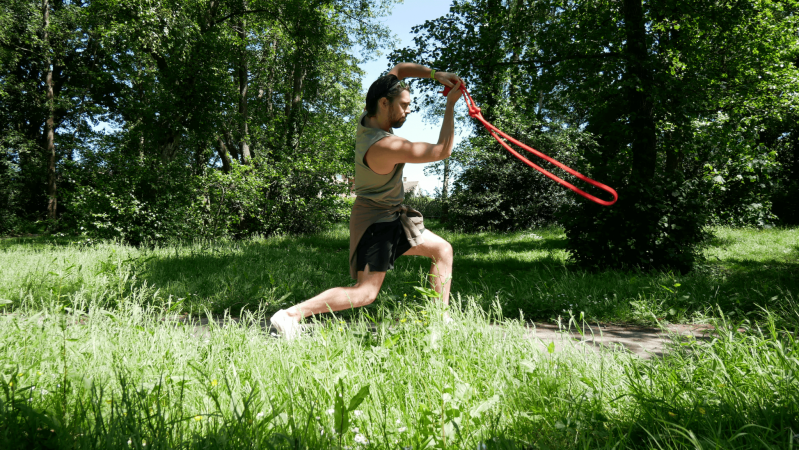
Lower back discomfort has become one of the most common physical complaints in modern life. Long work hours, screen time, and sedentary routines are major contributors. While many people try to “strengthen their back” or stretch occasionally, they often overlook the real issue: movement deprivation. If you’re struggling with Lower back pain, the solution may not be more rest—it may be better movement.
Your spine was designed to move. When it doesn’t, stiffness accumulates, muscles weaken in specific patterns, and joints lose coordinated function. Over time, this creates stress that the lower back absorbs unnecessarily.
The good news? You can reverse these patterns with intentional, movement-based training.
The Real Problem: Prolonged Sitting
Sitting itself isn’t dangerous. The problem is sitting for hours without variation.
When you sit too long:
-
Hip flexors shorten
-
Glutes become underactive
-
Thoracic spine stiffens
-
Core stabilizers disengage
-
Pelvis shifts into poor alignment
This combination increases stress on the lumbar spine. The lower back compensates for restricted hips and an immobile upper spine.
The result is tension, discomfort, and reduced movement efficiency.
Why Stretching Alone Isn’t Enough
Many people respond to stiffness with static stretching. While that can provide temporary relief, it doesn’t retrain how your body coordinates movement.
Lower back discomfort is rarely just about “tight muscles.” It’s usually about:
-
Poor sequencing
-
Weak rotational control
-
Limited hip mobility
-
Insufficient core engagement
Without restoring movement patterns, symptoms often return.
You need strength and mobility working together.
The Hip-Lower Back Connection
One of the most overlooked contributors to lower back pain is limited hip rotation.
Your hips are meant to absorb and generate force during walking, lifting, and turning. When they lose mobility from prolonged sitting, the lumbar spine takes on extra rotational stress.
Movement-based training restores:
-
Hip internal and external rotation
-
Glute activation
-
Pelvic stability
-
Dynamic balance
Once hips move efficiently, pressure on the lower back decreases significantly.
The Role of Thoracic Mobility
The thoracic spine (mid-back) is designed for rotation. If it becomes stiff from slouched posture and prolonged sitting, rotation shifts downward to the lumbar region.
This increases lumbar strain.
Improving thoracic mobility through controlled rotational drills:
-
Redistributes movement properly
-
Enhances posture
-
Reduces compensatory twisting
-
Improves breathing mechanics
When upper spine mobility improves, lower back stress decreases.
Core Stability vs Core Strength
There’s a difference between having strong abs and having a stable core.
Core stability involves coordinated activation of:
-
Transverse abdominis
-
Obliques
-
Multifidus
-
Pelvic floor
These muscles support the spine during movement—not just during crunches.
Movement-based training develops reflexive stability, meaning your core engages naturally when needed.
This is essential for long-term lower back resilience.
How Rotational Training Helps
Most traditional workouts emphasize forward and backward movement. But real life requires rotation.
Controlled rotational exercises:
-
Improve spinal segmentation
-
Activate deep stabilizers
-
Enhance neuromuscular coordination
-
Reduce rigid movement patterns
Tools like rope flow training create smooth, circular motion that strengthens without compressing the spine.
Instead of forcing the lower back to stabilize under heavy load, rotational movement distributes force efficiently across the hips and shoulders.
Micro-Movement Breaks Matter
You don’t need a full workout to reduce sitting-related stiffness.
Simple daily movement breaks can include:
-
Standing hip rotations
-
Controlled torso twists
-
Shoulder mobility drills
-
Light rope flow sessions
-
Walking with posture awareness
Even 3–5 minutes every hour improves circulation and joint lubrication.
Consistency matters more than intensity.
Building a Simple Corrective Routine
A practical movement-focused routine for lower back health can look like this:
1. Hip Activation (3–5 minutes)
Glute bridges, controlled lunges, or lateral band walks.
2. Thoracic Mobility (3–5 minutes)
Open-book rotations or standing rotational drills.
3. Controlled Rotational Flow (5–8 minutes)
Light rope-based circular patterns to integrate hips, core, and shoulders.
4. Posture Reset (2–3 minutes)
Breathing exercises with neutral spine alignment.
This routine restores movement rather than simply masking discomfort.
Avoiding High-Impact Overcorrection
When trying to “fix” lower back pain, some individuals jump into intense workouts or heavy lifting too quickly.
High-impact training without restoring mobility can:
-
Increase spinal compression
-
Reinforce compensatory patterns
-
Exacerbate stiffness
Start with controlled, joint-friendly movement. Build strength gradually once mobility improves.
The foundation must come first.
Long-Term Strategy for Back Health
Sustainable lower back health requires:
-
Daily movement variety
-
Rotational control
-
Strong hips
-
Stable core
-
Postural awareness
It’s not about eliminating sitting entirely—it’s about balancing it with intelligent movement.
Over time, this approach:
-
Improves joint resilience
-
Enhances performance
-
Reduces stiffness
-
Builds confidence in movement
The goal isn’t temporary relief. It’s lasting function.
From Pain Avoidance to Movement Confidence
When lower back discomfort persists, many people become hesitant to move.
But avoiding movement often increases stiffness and fear.
Gradual exposure to controlled rotational and mobility-based exercises restores trust in your body. As coordination improves, tension decreases.
Confidence returns.
And movement becomes something you rely on—not something you fear.
Move Smarter with Octomoves
If prolonged sitting has contributed to stiffness or discomfort, the solution isn’t more sitting—or random stretching. It’s structured, movement-first training designed to restore natural function.
Prioritize mobility. Build coordinated strength. Improve rotational control.
Your lower back will thank you.
Start your movement-based journey with Octomoves.

 Gatley Park Dental
 Jeena Sikho HiiMS