fine blankets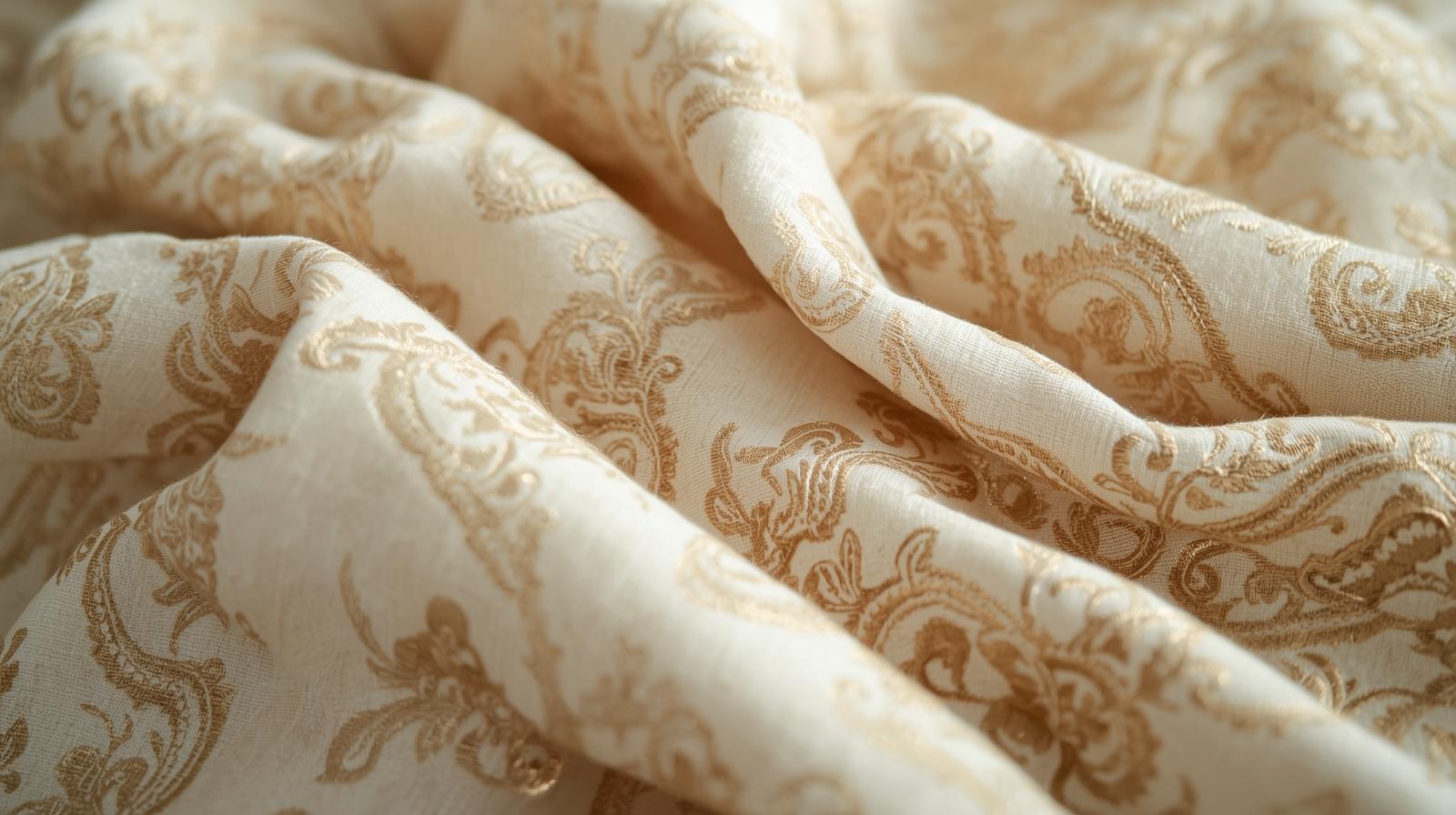
Behind every truly exceptional fine blanket lies a story of remarkable skill, carefully sourced materials, and a deep respect for the traditions of textile craft that have been refined over centuries. Understanding the art and process behind the creation of fine blankets gives you a profound appreciation for what you own and helps explain why these extraordinary objects command the respect, admiration, and investment they so richly deserve.
The Journey Begins With Fiber Selection
The creation of every fine blanket begins long before a single thread is woven. It begins with the careful and considered selection of the finest natural fibers available. The quality of the raw fiber is the single most important factor in determining the ultimate quality of the finished blanket, and the most skilled blanket makers in the world dedicate enormous time and expertise to sourcing only the very best materials.
Cashmere fibers are carefully combed from the soft undercoat of cashmere goats raised in the high altitude regions of Mongolia and the Himalayas. Merino wool is sourced from specially bred merino sheep whose fleece produces fibers of extraordinary fineness and softness. Alpaca fiber is harvested from alpacas raised in the high plains of South America, prized for its exceptional warmth and silky texture. Each of these fibers requires careful grading and selection to ensure only the finest quality material makes it into a truly exceptional blanket.
Spinning and Yarn Preparation
Once the raw fibers have been selected and cleaned, they undergo a carefully controlled spinning process that transforms them into the yarn from which the blanket will eventually be woven or knitted. The quality of spinning is critical — the consistency of the yarn thickness, the tightness of the twist, and the smoothness of the finished thread all directly affect the quality, appearance, and durability of the final blanket.
Master spinners with years of experience oversee this process with meticulous attention, understanding that every decision made at this stage will be reflected in the character and quality of the finished piece.
Weaving and Knitting Traditions
The actual construction of fine blankets draws on weaving and knitting traditions that in many cases stretch back hundreds of years. Traditional weaving techniques such as twill weaving, herringbone weaving, and plain weave each produce distinctive textures and appearances that give fine blankets their characteristic visual and tactile qualities.
In the most celebrated fine blanket making traditions — including the famous textile mills of the Scottish Borders, the Welsh blanket making heritage, and the long established weaving traditions of Ireland — these techniques have been passed down through generations of skilled craftspeople who carry their knowledge with immense pride and dedication.
Finishing — The Final Art
The finishing process is where a good blanket becomes a truly fine blanket. Finishing techniques such as milling, raising, and brushing transform the woven or knitted fabric, softening it, enhancing its texture, and giving it the luxurious handle that distinguishes a fine blanket from anything ordinary. This process requires exceptional skill and experience, as the finishing treatments must be perfectly calibrated to enhance the natural qualities of the fiber without damaging its integrity.
Final Thoughts
The art of crafting fine blankets is a testament to centuries of human skill, creativity, and dedication to quality. Every fine blanket carries within it the accumulated knowledge of generations of master craftspeople. For a collection that honors and celebrates this extraordinary tradition, Rumi Interiors offers a stunning range of fine blankets that bring the very best of artisan textile craft into your home.


 David Stark
 Oliver Jade