smith sam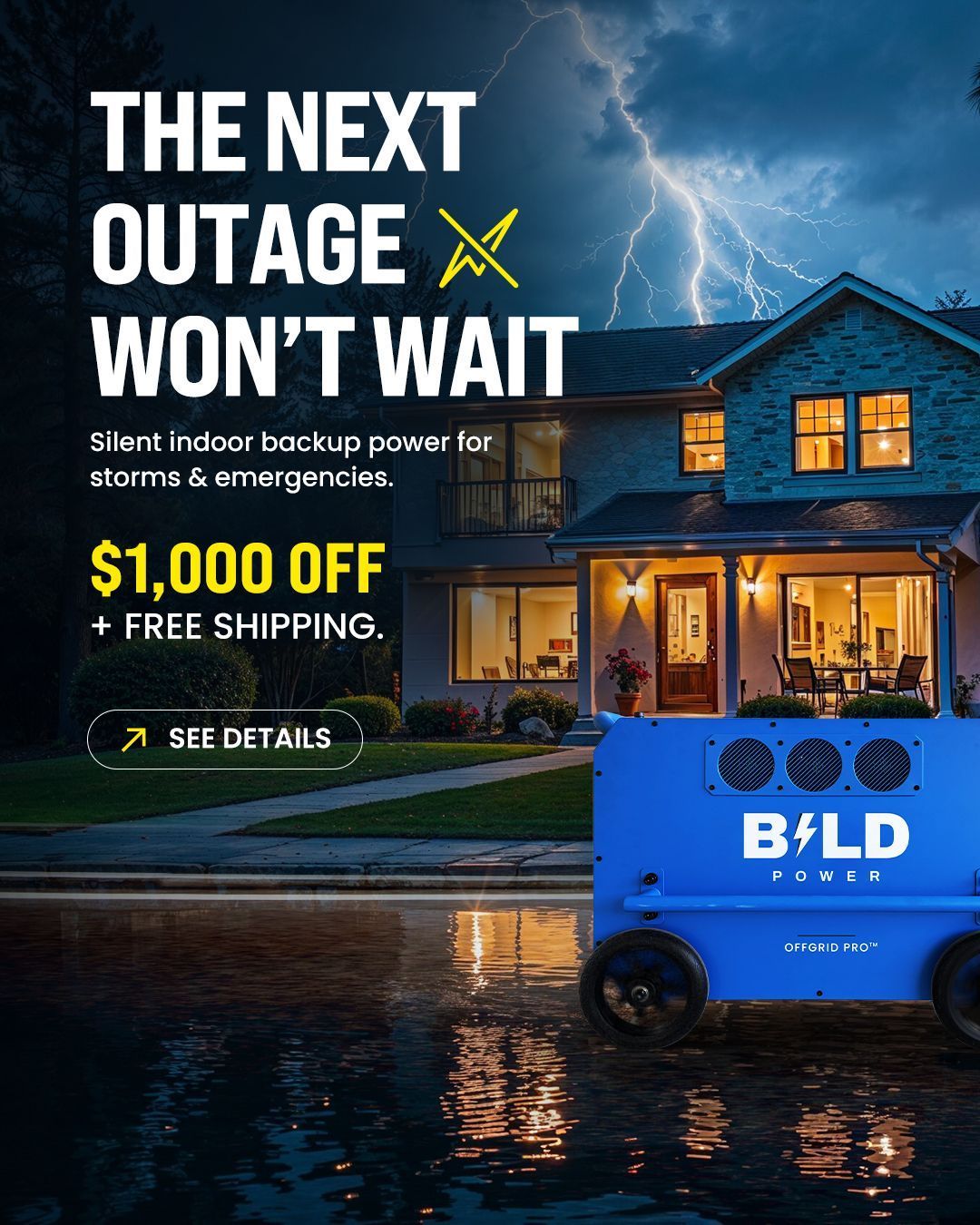
When disaster strikes, electricity is often one of the first services to fail. Hurricanes, earthquakes, floods, wildfires, and severe winter storms can knock out power grids for days or even weeks. In these moments, access to reliable energy becomes more than a convenience — it becomes a lifeline. That’s where portable power stations play a critical role in disaster relief efforts.
From powering emergency medical devices to supporting communication systems, portable power stations have become an essential tool for first responders, relief organizations, and affected communities. Their mobility, clean energy output, and ease of use make them uniquely suited for unpredictable crisis environments.
The Growing Importance of Reliable Emergency Power
Traditional disaster relief efforts relied heavily on fuel-powered generators. While effective in certain scenarios, they come with significant drawbacks: fuel shortages, noise pollution, maintenance issues, and harmful emissions. During large-scale emergencies, fuel supply chains can be disrupted, making generators difficult to operate consistently.
Portable power stations provide a cleaner, quieter, and more accessible alternative. Because they operate on rechargeable battery systems — often lithium-ion or LiFePO4 batteries — they can deliver dependable electricity without requiring gasoline or diesel. Many units can also be recharged using solar panels, ensuring continued functionality even when fuel infrastructure is compromised.
In disaster scenarios where speed, mobility, and reliability matter most, portable power stations offer unmatched flexibility.
Powering Critical Medical Equipment
Hospitals and emergency shelters often experience overwhelming demand during natural disasters. However, many relief operations occur outside of fully equipped medical facilities. Field clinics, temporary shelters, and mobile health units require dependable electricity to operate.
Portable power stations can support:
- Oxygen concentrators
- CPAP machines
- Portable ventilators
- Medical refrigeration for vaccines and medications
- Diagnostic equipment
- Lighting systems
Because these power solutions produce stable AC and DC output, they can safely power sensitive electronics. For vulnerable individuals who depend on medical devices, portable power stations can literally mean the difference between life and death.
Maintaining Communication Systems
In any emergency, communication is critical. First responders coordinate rescue operations through radios, satellite phones, laptops, and mobile networks. Communities rely on smartphones to receive alerts and contact loved ones.
When the grid fails, communication infrastructure can collapse. Portable power stations help maintain:
- Charging stations for smartphones
- Emergency broadcast systems
- Wi-Fi routers and satellite internet devices
- Two-way radios
- Command center laptops and tablets
By providing immediate backup power, these systems ensure rescue teams stay connected and informed.
Supporting Emergency Shelters
After a disaster, schools, community centers, and large public buildings often transform into temporary shelters. These spaces require lighting, heating or cooling, charging stations, and sometimes cooking appliances.
Portable power stations can provide:
- LED lighting
- Fans or small heaters
- Charging hubs for displaced families
- Portable refrigerators
- Small kitchen appliances
Because they operate quietly and produce no fumes, they are safe for indoor use — a major advantage over traditional gas generators.
Enhancing Search and Rescue Operations
Search and rescue teams frequently operate in remote or hazardous areas with limited infrastructure. Portable power stations support operations by powering:
- Drones for aerial surveillance
- GPS tracking equipment
- Emergency lighting towers
- Portable tools
- Water purification systems
The mobility of portable power stations allows teams to transport reliable energy directly into affected zones, even when roads are damaged or blocked.
Solar Charging in Extended Emergencies
One of the most powerful advantages of portable power stations is solar compatibility. During prolonged outages, access to fuel becomes increasingly difficult. Solar panels provide a renewable charging source, enabling continued operation without reliance on supply chains.
In disaster relief scenarios lasting days or weeks, solar-powered portable power stations offer sustainability and independence from external fuel sources.
Environmental and Safety Benefits
Unlike fuel generators, portable power stations:
- Produce zero emissions
- Generate minimal noise
- Require no fuel storage
- Reduce fire hazards
In crowded shelters or enclosed areas, these safety benefits are critical. Relief coordinators can deploy portable power stations indoors without worrying about carbon monoxide risks.
Scalability for Different Relief Needs
Not all emergencies require the same level of power. Relief organizations can deploy:
- Small units for communication devices
- Mid-sized stations for medical and shelter support
- High-capacity systems for command centers and community hubs
This scalability allows for tailored disaster response strategies.
Long-Term Recovery Support
Even after immediate danger passes, communities often face weeks of rebuilding. Portable power stations assist in long-term recovery by supporting:
- Construction tools
- Temporary offices
- Charging stations for workers
- Community resource centers
Their portability makes them useful well beyond the initial crisis period.
The Future of Disaster Relief Energy
As climate-related disasters become more frequent and severe, the demand for reliable backup energy solutions continues to grow. Relief agencies worldwide are incorporating portable power stations into preparedness planning.
Preparedness is no longer optional — it’s essential. Communities, nonprofits, and governments are recognizing that energy resilience is foundational to effective disaster response.
Final Thoughts
Disasters are unpredictable, but preparedness is within our control. Portable power stations provide clean, quiet, and reliable energy when traditional infrastructure fails. From supporting medical equipment to powering communication networks, they have become indispensable in modern disaster relief operations.
For organizations and individuals seeking dependable emergency energy solutions, BildPower offers advanced portable power stations engineered for durability, safety, and high-capacity performance. Designed for reliability in critical situations, BildPower systems help ensure that when disaster strikes, power remains accessible where it matters most.


 Fly Fl
 garage door