Olive Mine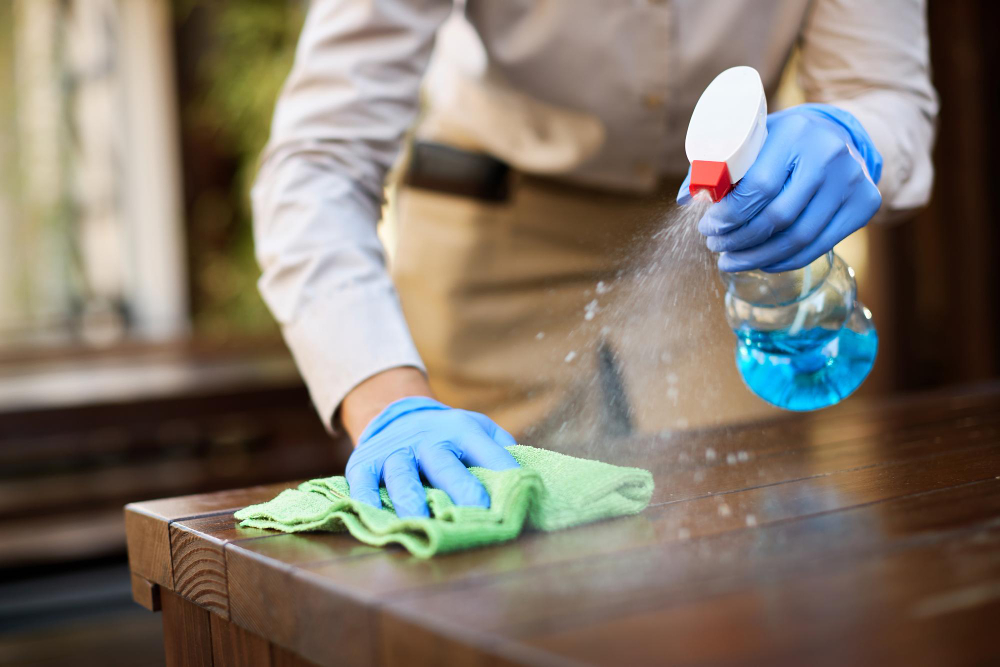
Picture this: a prospective client walks into an office for a morning meeting. The lobby smells faintly stale. There’s a dried coffee ring on the reception desk that someone clearly wiped around rather than actually cleaned. The elevator buttons look like they haven’t seen a disinfectant wipe since the last administration. The meeting hasn’t even started, and an impression has already formed — not about the company’s services, but about how seriously they take their environment. First impressions in professional spaces are brutally efficient like that.
This is exactly why understanding what professional cleaning services for office buildings actually cover matters. Not just for hygiene’s sake — though that’s real — but because the scope of commercial cleaning is far broader than most building managers initially realize. And the gap between what’s assumed and what’s actually included in a contract is where problems quietly accumulate.
The Daily Foundation: What Happens Every Night
Most commercial office cleaning operates on a nightly schedule, after staff have left. This baseline layer is what keeps a workspace functional rather than just presentable.
Trash removal is the obvious starting point — emptying individual desk bins, kitchen waste receptacles, and common area containers. Sounds simple. But in a multi-floor building with dozens of stations, it’s genuinely time-consuming and skipping even one area creates cascading problems by morning.
Surface wiping in common areas — reception desks, conference room tables, kitchenettes — is part of this daily rhythm too. Not deep cleaning. Just the kind of maintenance that prevents buildup from becoming embedded grime. Vacuuming high-traffic carpeted areas and mopping hard-surface floors also falls here, along with restocking bathroom supplies: paper towels, soap, toilet paper. The kind of thing no one thinks about until it’s gone.
Restroom sanitation deserves its own mention. Toilets, urinals, sinks, mirrors, door handles, and partition walls — all of it cleaned and disinfected nightly in most professional contracts. This is the area where skimping becomes visible (and smellable) fastest.
Weekly and Periodic Tasks: The Layer Beneath the Surface
Daily cleaning maintains. Weekly and periodic services actually reset.
Dusting — real dusting, not just running a cloth over visible surfaces — means hitting ceiling vents, light fixtures, window blinds, and the tops of shelves and cabinets. Dust doesn’t stay where it lands; it circulates through HVAC systems and settles back down constantly. In an office where people sit for eight hours a day breathing recirculated air, this matters more than most facilities managers account for.
Interior glass cleaning: conference room partitions, lobby windows, glass office walls. These surfaces show smudges from a distance and make otherwise clean spaces look neglected. Most quality commercial contracts include these weekly or biweekly.
Kitchen and break room deep attention — not just wiping down, but cleaning microwave interiors, sanitizing coffee stations, scrubbing sink fixtures, and addressing the interior of shared refrigerators on a set schedule. Office kitchens are petri dishes of social friction when left unmanaged. Everyone knows it. Nobody wants to be the one who cleans it.
Specialty Services: What Goes Beyond the Standard Scope
This is where contracts start diverging and where building managers need to ask specific questions before signing anything.
Floor care beyond daily mopping — stripping and waxing hard floors, deep carpet extraction, polishing tile — typically falls into periodic or add-on territory. Quarterly for most standard offices; more frequently in high-traffic lobbies or healthcare-adjacent spaces.
Window washing for building exteriors is almost never included in standard office cleaning packages. It’s a separate specialty service with its own scheduling and pricing, and conflating the two leads to genuine misunderstandings about what a cleaning contract covers.
Disinfection services — electrostatic spraying, fogging, or targeted high-touch point sanitation programs — became significantly more prominent post-2020 and are now standard offerings from most reputable commercial cleaners. Whether they’re included in baseline contracts or priced separately varies widely by provider.
Post-construction or post-renovation cleaning is a distinct category entirely. The dust, debris, and particulate residue from even minor office renovations require specialized equipment and techniques. It’s not something a nightly cleaning crew handles as part of their regular rotation.
Why Location and Provider Choice Both Matter
The specific scope of services — and the quality of execution — varies considerably by region and provider. Facilities managers in older urban building stock often find they need more frequent floor care and HVAC-adjacent cleaning than those in newer construction, simply because aging infrastructure holds onto particulates differently. For businesses evaluating cleaning services Pittsburgh PA providers, it’s worth asking specifically about experience with older commercial buildings, humidity-related concerns, and seasonal deep cleaning schedules — all factors that are distinctly relevant to Pittsburgh’s built environment and climate.
What to Actually Look for in a Contract
Before signing anything, the scope document deserves a close read. The most common oversights: undefined cleaning frequencies (“regularly” means nothing enforceable), vague language around restroom sanitation standards, and silence on who handles consumable restocking versus who pays for supplies.
A well-structured office cleaning contract specifies exactly what gets cleaned, how often, by what method, and which party is responsible for consumable costs. Anything less is an invitation for mismatched expectations — the kind that result in that stale lobby smell and the dried coffee ring that nobody quite owns.
Commercial cleaning, done properly, is largely invisible. The goal is an office that feels effortlessly maintained, not one that looks like someone just cleaned it. That distinction — between functional cleanliness and conspicuous cleanliness — is what separates professional service from the bare minimum.


 Pilot Center
 Clean Linen