The Mom Store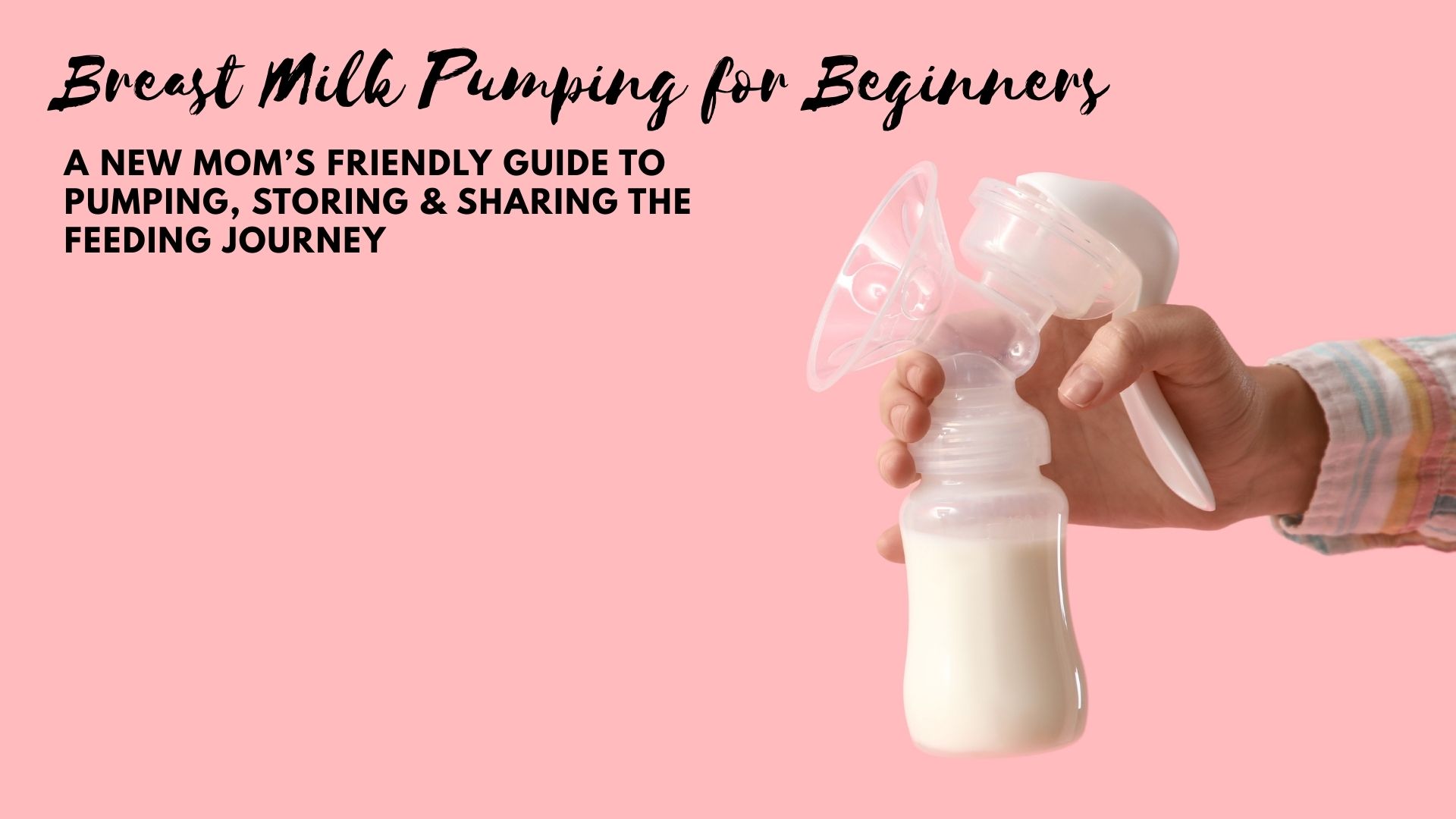
Motherhood today looks very different from what it did even a generation ago. Earlier, breastfeeding meant one thing, mom feeding the baby directly every single time. There were no flexible options, no wearable pumps, and very little conversation around expressing milk.
But today, things have changed in a big way.
Breast milk pumping has become a powerful tool for modern moms. Whether you’re a working mother, someone who needs a little flexibility, or simply looking for ways to share feeding responsibilities with your partner, pumping breast milk can make life a lot easier.
And the best part? Your baby still receives all the incredible benefits of breast milk.
If you’re new to pumping, don’t worry it may seem overwhelming at first, but once you understand the basics, it becomes a smooth part of your routine. Let’s walk through everything you need to know about breast milk pumping for beginners in a simple, practical way.
What Is Breast Milk Pumping?
Breast milk pumping is the process of expressing milk from the breasts using a breast pump or by hand and storing it for your baby to drink later.
Instead of feeding directly from the breast every time, you pump milk and store it in bottles or storage bags. This allows your baby to be fed by someone else like your partner, a grandparent, or a caregiver.
For many moms, this flexibility is life-changing.
In fact, pumping can be particularly helpful when:
- You’re returning to work after maternity leave
- Your baby has trouble latching initially
- You want to build a breast milk stash
- You need occasional breaks between feeds
- You want your partner to participate in feeding
Many moms discover that pumping creates a more balanced parenting experience. In fact pumping milk allows partners to handle a few night feeds giving mom precious uninterrupted sleep while the baby still receives breast milk.
Why Breast Pumping Wasn’t Common Earlier (But Is a Game-Changer Today)
A few decades ago, breast pumps were not widely available or convenient to use. Most mothers either breastfed directly or relied on formula when they needed a break.
Modern technology has changed that completely.
Today’s pumps are:
- Portable
- Quiet
- Hands-free
- Designed to mimic a baby’s natural sucking rhythm
This means moms can pump while working, relaxing, or even travelling.
For example, modern wearable pumps use massage and expression modes that stimulate milk flow and help collect milk efficiently while maintaining comfort. Many even include multiple suction levels and anti-backflow designs to maintain hygiene and ensure milk safety.
This evolution has made exclusive pumping and mixed feeding far more accessible than before.
When Should You Start Pumping Breast Milk?
One of the most common questions new mothers ask is: “When should I start pumping?”
The answer depends on your situation.
Most lactation experts recommend:
- First 3–4 weeks: Focus on establishing direct breastfeeding
- After 4–6 weeks: Introduce pumping if needed
This allows your milk supply to regulate naturally and helps your baby learn to latch properly.
However, pumping earlier may be recommended if:
- Your baby is in the NICU
- Your baby cannot latch properly
- You need to increase milk supply
- You are planning to return to work soon
If breastfeeding challenges arise early on, learning about proper latching techniques can also help. You may find useful guidance in The Mom Store article on “The Breastfeeding Manifesto” which explains how babies naturally learn to latch and how mothers can support the process.
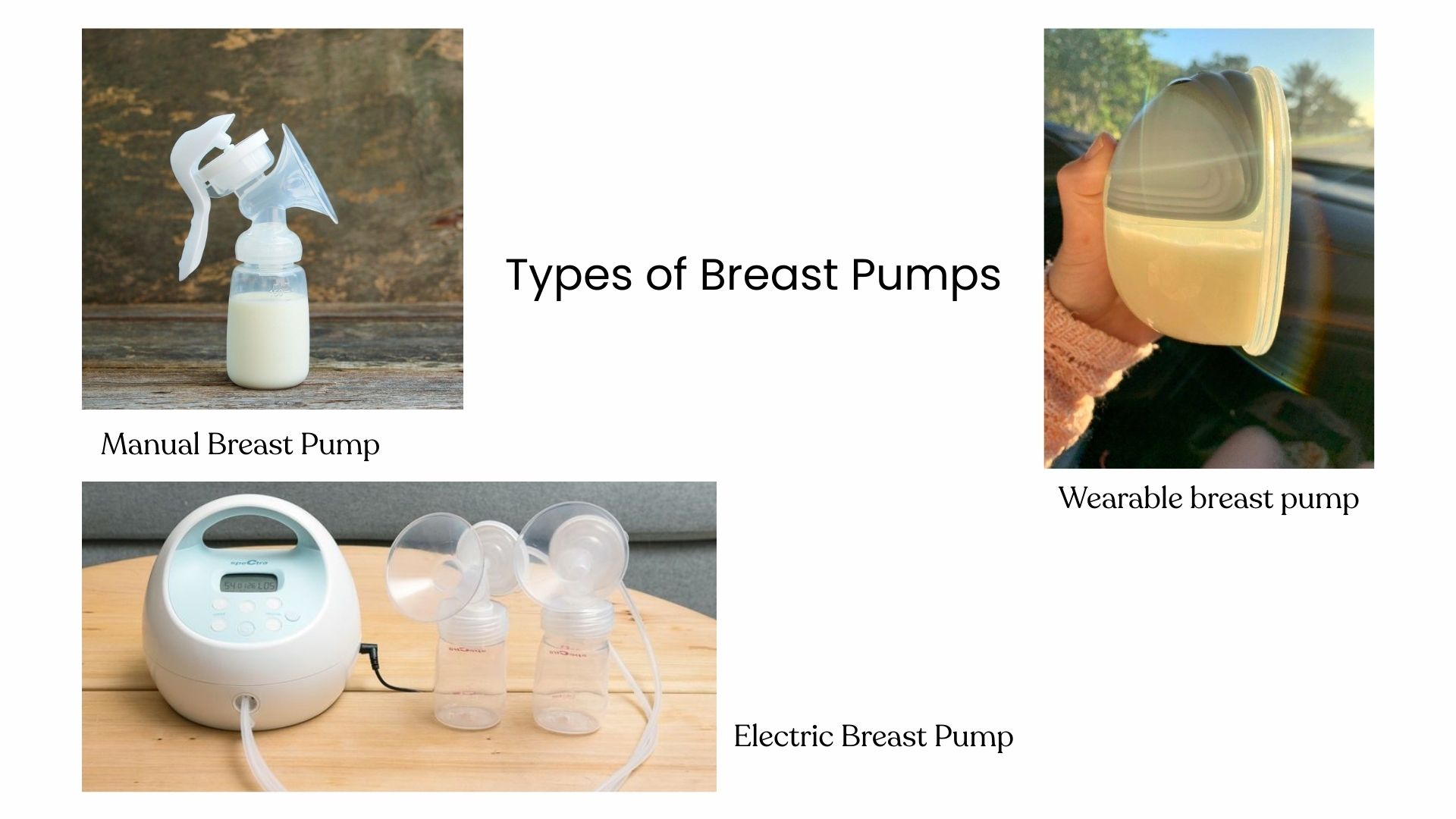
Types of Breast Pumps (Which One Should You Choose?)
 When starting your pumping journey, choosing the right pump matters.
Here are the most common types:
1. Manual Breast Pumps
These pumps are operated by hand and are usually lightweight and affordable.
Best for:
- Occasional pumping
- Travel
- Emergency backup
2. Electric Breast Pumps
Electric pumps use a motor to create suction and are more efficient.
Best for:
- Regular pumping
- Working moms
- Building a milk stash
3. Wearable / Hands-Free Breast Pumps
These are the newest and most convenient options.
They fit inside your bra and allow you to pump while doing other tasks. Many mothers prefer these pumps because they support multitasking and reduce pumping fatigue.
How to Start Pumping Breast Milk (Step-by-Step)
Starting a pumping routine may feel awkward at first, but it becomes easier with practice.
Here’s a simple beginner-friendly process:
1. Choose a Comfortable Pumping Space
Pick a calm place where you feel relaxed. Stress can slow down milk flow.
2. Wash Hands and Sterilize Pump Parts
Always clean pump parts properly before each session.
3. Stimulate Let-Down
You can encourage milk flow by:
- Thinking about your baby
- Looking at your baby’s photos
- Gently massaging your breasts
4. Start with Massage Mode
Many pumps include stimulation modes that mimic a baby’s sucking rhythm.
5. Pump for 15–20 Minutes
Most pumping sessions last around 15–20 minutes per breast.
If you’re exclusively pumping, you may pump 8–10 times per day during the newborn stage.
7 Practical Breast Pumping Tips for Beginners
Pumping becomes easier when you follow a few simple habits.
1. Stay Hydrated
Milk production depends heavily on hydration.
2. Pump After Feeding
This helps build a milk stash while maintaining supply.
3. Create a Pumping Schedule
Your body responds well to consistency.
4. Use a Hands-Free Pumping Bra
Hands-free pumping bras allow you to relax, scroll your phone, or even work while pumping.
5. Don’t Compare Output
Some sessions produce more milk than others—and that’s completely normal.
6. Massage While Pumping
Breast massage can increase milk flow and empty the breast more efficiently.
7. Relax
Stress can delay the let-down reflex.
How to Store Breast Milk Safely
Once you start pumping regularly, proper breast milk storage becomes important.
Here are some simple guidelines:
|
Storage Location |
Safe Duration |
|
Room temperature |
Up to 4 hours |
|
Refrigerator |
Up to 4 days |
|
Freezer |
Up to 6 months (best quality) |
Label each container with the date and time so you use the oldest milk first.
How Pumping Helps Partners Participate in Feeding
One of the most beautiful things about pumping is that feeding no longer has to be a solo job.
Your partner can:
- Handle one or two night feeds
- Bond with the baby during bottle feeding
- Support you when you’re tired
- Give you time to rest or recover
Many mothers find that this shared responsibility significantly improves postpartum recovery and emotional wellbeing.
It also helps fathers feel more connected during the newborn stage.
Common Breast Pumping Challenges (And How to Handle Them)
Like any new skill, pumping comes with a learning curve.
Here are some common issues:
Low Milk Output
Try pumping more frequently and ensure correct flange size.
Discomfort While Pumping
Lower the suction level or adjust positioning.
Time Management
Wearable pumps and hands-free bras can make pumping more convenient.
Stress or Fatigue
Remember: pumping doesn’t have to be perfect. Every drop counts.
The Modern Mom’s Secret: Flexibility
Motherhood is not about following one rigid path.
Some moms exclusively breastfeed, some pump, and many do a mix of both.
Pumping simply adds flexibility and freedom to the journey.
It allows moms to:
- Continue breastfeeding longer
- Return to work confidently
- Rest when needed
- Share feeding responsibilities
And perhaps most importantly it reminds mothers that they don’t have to do everything alone.
Final Thoughts
Breast milk pumping might feel unfamiliar at first, especially if you imagined breastfeeding only one way. But for many mothers, it becomes one of the most empowering tools in early motherhood.
It helps balance work, recovery, sleep, and parenting responsibilities—while ensuring your baby still receives the incredible nutrition and immunity benefits of breast milk.
So if you’re just starting your pumping journey, take it one session at a time.
Be patient with yourself, learn what works best for your body, and remember that every mother’s feeding journey looks a little different and that’s perfectly okay.


 Osaf Ali
 You broadband