PTI WebTech
Top Trends in Android App Development Services for 2026
The Android ecosystem continues to dominate the global mobile landscape, powering a vast majority of smartphones worldwide and serving as the foundation for billions of digital interactions every day. As we move into 2026, Android app development services are undergoing a massive transformation driven by emerging technologies, evolving user expectations, and rapid innovation in mobile infrastructure.
Businesses are no longer just building apps—they are building intelligent, scalable, and immersive digital products that deliver value, personalisation, and performance. For companies offering Android app development services, staying ahead of these trends is not optional—it is essential for survival and growth in a highly competitive market.
In this blog, we explore the top trends shaping Android app development services in 2026 and how businesses can leverage them to stay ahead.
1. AI-Powered and Intelligent Apps
Artificial Intelligence (AI) is no longer a futuristic concept—it has become the backbone of modern Android applications. In 2026, AI is deeply integrated into app development services, enabling smarter, faster, and more personalised user experiences.
From chatbots and voice assistants to predictive analytics and recommendation engines, AI is transforming how users interact with apps. Modern Android apps can now learn user behaviour, anticipate needs, and automate decision-making processes.
Developers are increasingly leveraging on-device AI and machine learning models to deliver real-time responses without relying heavily on cloud processing. This not only improves performance but also enhances data privacy.
For Android app development companies, integrating AI is no longer a value-add—it is a core requirement.
2. Rise of Low-Code and No-Code Development
One of the most disruptive trends in 2026 is the rise of low-code and no-code platforms. These tools allow developers—and even non-developers—to build applications faster with minimal coding effort.
According to industry projections, low-code platforms are expected to account for a significant portion of application development by 2026, signalling a major shift in how apps are built.
For Android app development service providers, this means:
- Faster time-to-market
- Reduced development costs
- Increased collaboration between technical and non-technical teams
While traditional coding is still essential for complex applications, low-code solutions are becoming a powerful tool for rapid prototyping and MVP development.
3. 5G Technology Integration
The global rollout of 5G networks is revolutionising Android app capabilities. With ultra-fast speeds and low latency, developers can now build applications that were previously not feasible.
5G enables:
- Real-time gaming experiences
- High-quality video streaming
- Instant cloud synchronisation
- Advanced IoT applications
Android apps designed for 5G environments can deliver seamless performance, even with data-heavy features. As a result, 5G optimisation is becoming a standard requirement in Android app development services.
4. Cross-Platform Development Dominance
Cross-platform frameworks such as Flutter and React Native continue to gain popularity in 2026. Businesses are increasingly opting for solutions that allow them to build apps for multiple platforms using a single codebase.
This trend is driven by the need to:
- Reduce development time
- Lower costs
- Maintain consistency across platforms
Android app development services are evolving to include hybrid and cross-platform solutions as a standard offering. This shift allows companies to reach a broader audience without doubling their development efforts.
5. Edge Computing for Faster Performance
Edge computing is emerging as a critical technology in Android app development. Instead of relying solely on centralised cloud servers, data processing is performed closer to the user.
This results in:
- Faster app performance
- Reduced latency
- Improved user experience
Edge computing is particularly beneficial for applications that require real-time processing, such as gaming, healthcare apps, and IoT solutions.
As user expectations for speed and responsiveness continue to rise, Android developers must adopt edge computing strategies to stay competitive.
6. Augmented Reality (AR) and Virtual Reality (VR)
AR and VR technologies are transforming the way users interact with mobile applications. In 2026, these technologies are no longer limited to gaming—they are being widely used in industries such as retail, healthcare, education, and real estate.
Examples include:
- Virtual try-ons in eCommerce apps
- AR-based navigation
- Interactive learning experiences
- Virtual property tours
Android platforms support AR development through tools like ARCore, enabling developers to create immersive experiences that enhance user engagement.
7. Super Apps and Multi-Functional Platforms
The concept of “super apps” is gaining traction globally. These are applications that offer multiple services within a single platform, such as messaging, payments, shopping, and more.
Popular in Asian markets, super apps are now expanding worldwide, and Android is the ideal platform for building them due to its flexibility and scalability.
For Android app development services, this trend means focusing on:
- Modular architecture
- Scalable backend systems
- Seamless user experience
Super apps are redefining how users interact with digital services by reducing the need to switch between multiple applications.
8. Enhanced App Security and Privacy
With increasing concerns around data privacy and cybersecurity, Android app development services are placing a stronger emphasis on security.
Modern apps must incorporate the following:
- End-to-end encryption
- Biometric authentication
- Secure APIs
- Data anonymisation
Recent updates in the Android ecosystem also highlight the growing importance of app security and user protection, including stricter policies for app installations and permissions.
Security is no longer just a feature—it is a fundamental expectation from users and businesses alike.
9. Internet of Things (IoT) Integration
The integration of IoT with Android apps is opening new possibilities for connected experiences. From smart homes to industrial automation, Android apps are becoming control hubs for IoT devices.
Use cases include:
- Smart home automation
- Wearable devices
- Connected vehicles
- Industrial monitoring systems
With the expansion of IoT ecosystems, Android app development services must focus on building apps that can seamlessly connect and communicate with multiple devices.
10. Motion Design and Advanced UI/UX
User experie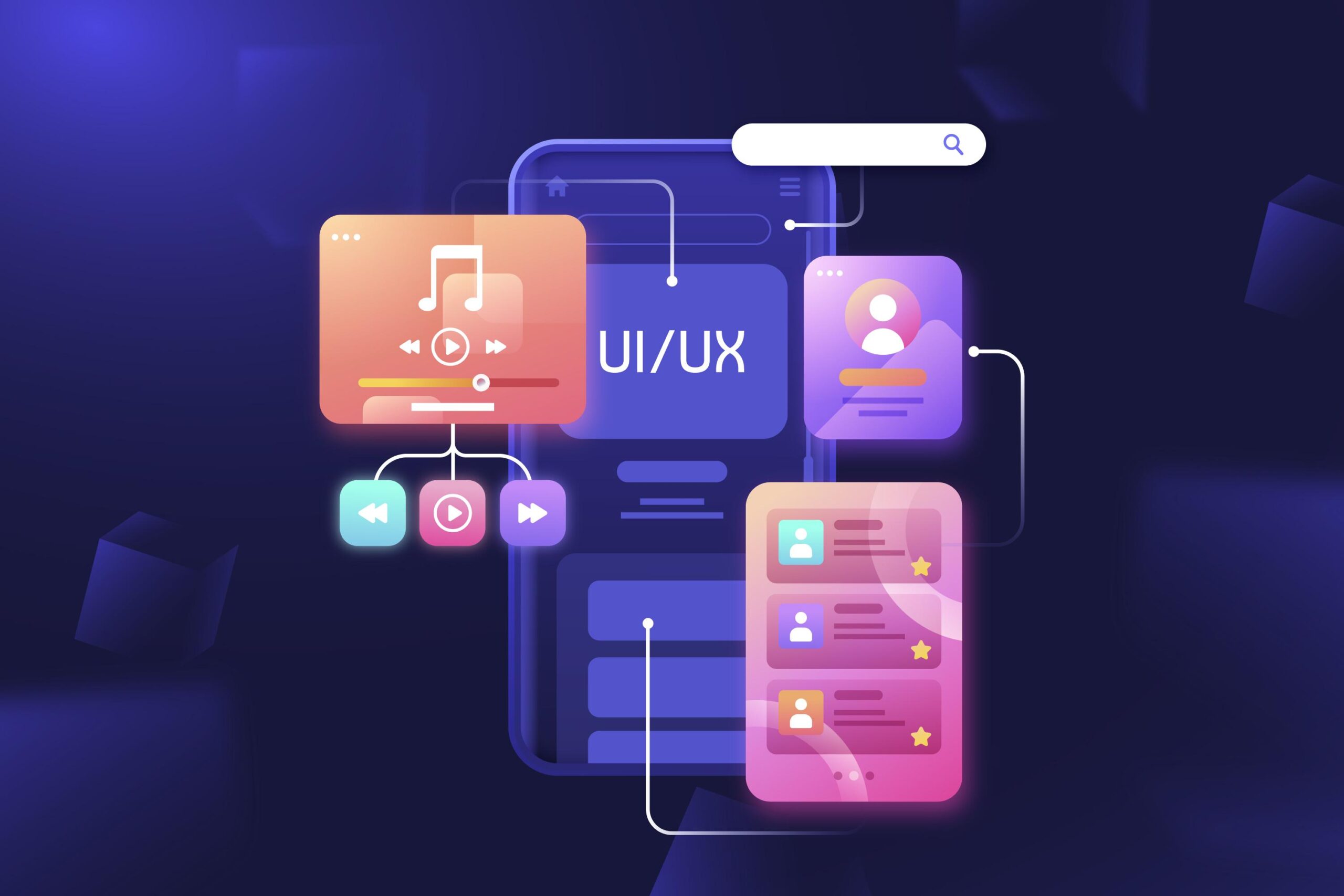 nce remains a critical factor in app success. In 2026, motion design and interactive UI elements are becoming essential components of Android apps.
Modern UI/UX trends include the following:
- Micro-interactions
- Smooth animations
- Gesture-based navigation
- Personalized interfaces
These elements not only enhance usability but also make apps more engaging and visually appealing.
11. Hyper-Personalisation
Users now expect apps to deliver highly personalised experiences. Hyper-personalisation goes beyond basic customisation by using data and AI to tailor content, recommendations, and interactions.
For example:
- Personalized product recommendations
- Custom news feeds
- Adaptive UI layouts
This trend is driving higher user engagement and retention, making it a key focus area for Android app development services.
12. Sustainable and Green App Development
Sustainability is becoming an important consideration in software development. Android app developers are now focusing on creating energy-efficient applications that minimise resource consumption.
Green app development practices include:
- Optimized code for lower battery usage
- Efficient data handling
- Reduced server load
As environmental awareness grows, businesses are increasingly prioritising sustainable development practices.
13. Continuous Integration and DevOps Adoption
Modern Android app development services are embracing DevOps practices to improve efficiency and reliability.
Continuous Integration (CI) and Continuous Deployment (CD) enable:
- Faster release cycles
- Improved code quality
- Automated testing
Research shows that apps adopting CI practices tend to have faster updates and better user engagement, highlighting the importance of automation in development workflows.
14. Multimodal and Voice-Based Interfaces
The way users interact with apps is evolving beyond touch. Voice commands, gestures, and multimodal interfaces are becoming increasingly popular.
With advancements in AI, Android apps can now:
- Understand natural language
- Process voice commands
- Provide conversational interfaces
This trend is especially relevant for accessibility and hands-free usage scenarios.
15. Cloud-Native and Scalable App Architecture
Cloud-native development is becoming the standard approach for building Android apps in 2026. By leveraging cloud infrastructure, developers can create scalable and resilient applications.
Benefits include:
- Easy scalability
- Reduced infrastructure costs
- Improved performance
Cloud integration allows apps to handle large volumes of data and users efficiently, making it essential for modern app development.
Conclusion
The Android app development landscape in 2026 is defined by innovation, intelligence, and user-centric design. From AI-driven experiences and 5G integration to edge computing and super apps, the trends shaping the industry are pushing the boundaries of what mobile applications can achieve.
For businesses and developers, the key to success lies in embracing these trends and adapting to the rapidly changing technological environment. Android app development services are no longer just about coding—they are about creating meaningful, scalable, and future-ready digital solutions.
As competition intensifies and user expectations continue to evolve, those who invest in modern technologies, prioritise user experience, and adopt agile development practices will be best positioned to lead the future of Android app development.
Final Thought:
2026 is not just about building apps—it’s about building intelligent ecosystems that redefine how users interact with technology. The future of Android app development is here, and it is smarter, faster, and more immersive than ever before.
Get in Touch
🌐 Visit: www.ptiwebtech.com
📞 Contact Us: +91 9996771366

 Clearnet Communications
 Nirwana AI