lisa soft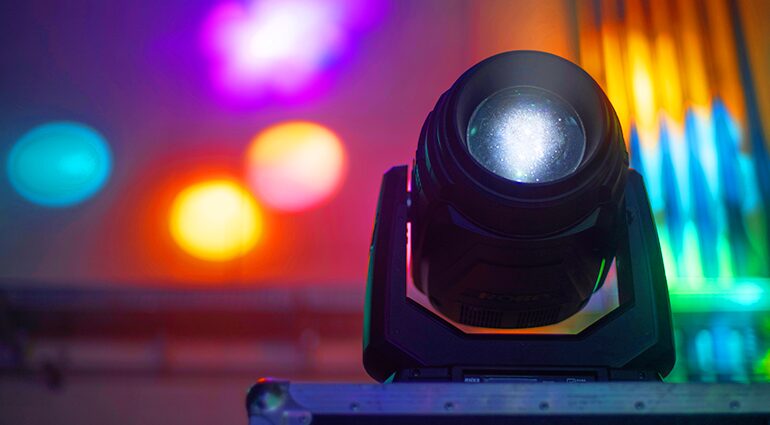
Historic buildings offer a unique charm that modern venues often lack. Their architecture, materials, and atmosphere can elevate any theater production into something truly memorable. However, installing stage lighting in these spaces requires extra care and planning. Unlike modern venues, historic buildings come with limitations such as fragile structures, outdated wiring, and preservation rules.
When installing lighting, especially spotlights, small mistakes can lead to poor performance, safety issues, or even damage to the building. In this article, we’ll explore four common mistakes people make when installing theater lighting spotlights in historic buildings—and how to avoid them effectively.
Understanding Theatre Lighting Spotlight
A theatre lighting spotlight is a focused lighting fixture used to highlight specific areas or performers on stage. It plays a crucial role in directing audience attention, enhancing visibility, and adding depth to a performance.
In historic buildings, however, installing spotlights is not as straightforward as in modern theaters. These buildings often have delicate ceilings, limited rigging points, and strict preservation guidelines. A poorly installed spotlight can create uneven lighting, harsh shadows, or even structural damage.
Understanding how a spotlight works—and how it interacts with older architecture—is the first step toward avoiding costly mistakes. Proper planning, careful placement, and the right equipment are essential to achieving both safety and visual quality.
Mistake 1: Ignoring Structural Limitations
One of the most common mistakes is assuming that a historic building can handle modern lighting equipment without any adjustments. Many older structures were not designed to support heavy lighting rigs or extensive installations.
Mounting a spotlight directly onto fragile beams or decorative ceilings can cause damage or even pose safety risks. In some cases, vibrations from lighting fixtures may loosen old materials over time.
Instead of forcing modern solutions into an old structure, it’s important to adapt your installation approach. Use lightweight fixtures, portable stands, or specially designed mounting systems that distribute weight evenly. Consulting with a structural expert or building manager can also help you identify safe installation points.
Respecting the building’s limitations not only protects its integrity but also ensures a safe environment for performers and crew.
Mistake 2: Poor Spotlight Positioning
Improper positioning of spotlights is another major issue, especially in historic venues where layouts may not follow modern design standards.
Placing a spotlight too low or at the wrong angle can create harsh shadows on actors’ faces or cast distracting shadows on walls and architectural features. In historic buildings, uneven surfaces and decorative elements can amplify these problems.
To avoid this, spotlights should generally be positioned at a higher angle, slightly in front of the performer. This allows the light to fall naturally across the face and body, reducing shadows and improving visibility.
It’s also important to test different angles during rehearsals. Historic spaces often behave differently than modern theaters when it comes to light reflection and shadow formation. Small adjustments can make a big difference in how the final lighting looks on stage.
Mistake 3: Overlooking Electrical and Safety Requirements
Historic buildings often have outdated electrical systems that may not be capable of handling modern lighting loads. Ignoring this can lead to power failures, overheating, or even fire hazards.
Many traditional spotlights consume significant power and generate heat, which can strain old wiring systems. Without proper upgrades or precautions, this can become a serious safety concern.
To prevent these issues, always assess the building’s electrical capacity before installation. Work with a qualified electrician to ensure that circuits can handle the load and that proper grounding is in place.
Additionally, consider using energy-efficient lighting solutions that reduce strain on the electrical system. This not only improves safety but also helps maintain the building’s integrity over time.
Mistake 4: Failing to Preserve the Building’s Aesthetic
Historic buildings are valued for their unique design and architectural details. One of the biggest mistakes people make is installing lighting in a way that disrupts or damages these features.
Visible cables, bulky fixtures, or poorly placed mounts can take away from the beauty of the space. In some cases, drilling into walls or ceilings may permanently damage original materials, which can be costly or impossible to repair.
To avoid this, choose discreet installation methods. Use hidden cable routes, temporary mounts, or floor-based lighting solutions where possible. The goal is to enhance the performance without compromising the building’s visual appeal.
Working with preservation guidelines and respecting the building’s history ensures that your lighting setup complements rather than detracts from the venue.
Choosing the Right Equipment for Historic Spaces
Selecting the right lighting equipment is essential when working in a historic building. Lightweight, compact fixtures are often the best choice because they are easier to install and less likely to strain the structure.
Adjustable spotlights with flexible mounting options allow you to adapt to unique architectural features. Portable stands can also be useful when permanent installation is not allowed.
Modern lighting technology offers solutions that are both efficient and adaptable, making it easier to work within the constraints of historic venues.
Integrating LED Stage Lighting for Better Results
Using led stage lighting is one of the most effective ways to overcome the challenges of installing lighting in historic buildings. LED fixtures are lightweight, energy-efficient, and produce significantly less heat compared to traditional lighting.
This makes them ideal for older structures with limited electrical capacity and delicate materials. Reduced heat output also minimizes the risk of damage to historical elements such as wood, fabric, or paint.
LED lights offer precise control over brightness and color, allowing you to achieve professional-quality lighting without the need for bulky equipment. They can be easily integrated into existing setups and adjusted to suit the unique characteristics of the space.
By incorporating LED stage lighting, you can create a safe, efficient, and visually appealing lighting design that works harmoniously with the building’s architecture.
Practical Tips for Successful Installation
When installing spotlights in a historic building, careful planning and attention to detail are key.
Start by conducting a thorough site assessment to understand the building’s layout, structure, and limitations. Identify safe mounting points and areas where lighting can be installed without causing damage.
During rehearsals, test your lighting setup from different audience perspectives. This helps you identify any shadows, glare, or uneven lighting that may need adjustment.
Keep cables organized and out of sight to maintain a clean and professional appearance. Regular maintenance checks are also important to ensure that all fixtures remain secure and functional.
Taking these steps will help you achieve a high-quality lighting setup while preserving the building’s character.
FAQs About Installing Spotlights in Historic Buildings
Q1: Can I install modern lighting equipment in a historic building?
Yes, but it requires careful planning and adherence to preservation guidelines. Always prioritize non-invasive installation methods.
Q2: Are LED lights better for historic venues?
Yes, LED lights are lightweight, energy-efficient, and produce less heat, making them ideal for older structures.
Q3: How do I avoid damaging the building during installation?
Use temporary mounts, avoid drilling into original materials, and consult with experts when necessary.
Q4: What is the best way to position a spotlight?
Place it at a higher angle and slightly in front of the performer to reduce shadows and improve visibility.
Q5: Do historic buildings require special electrical considerations?
Yes, older wiring systems may need upgrades or careful load management to handle modern lighting safely.
Final Words
Installing a theater lighting spotlight in a historic building comes with unique challenges, but with the right approach, it can be done successfully. Avoiding common mistakes such as ignoring structural limitations, poor positioning, overlooking electrical requirements, and failing to preserve aesthetics is key to achieving a safe and effective setup.By choosing modern solutions like led stage lighting, you can reduce heat, improve efficiency, and protect the integrity of the building while still delivering a visually stunning performance.
For those looking for reliable lighting solutions, JJY Stage ship products to USA, offering high-quality fixtures suitable for both modern and historic venues. With careful planning and the right equipment, you can create a lighting design that enhances both the performance and the beauty of the space.

 claire Adams
 A & A Truck Trailer Repair