AllState Party and Tent Rentals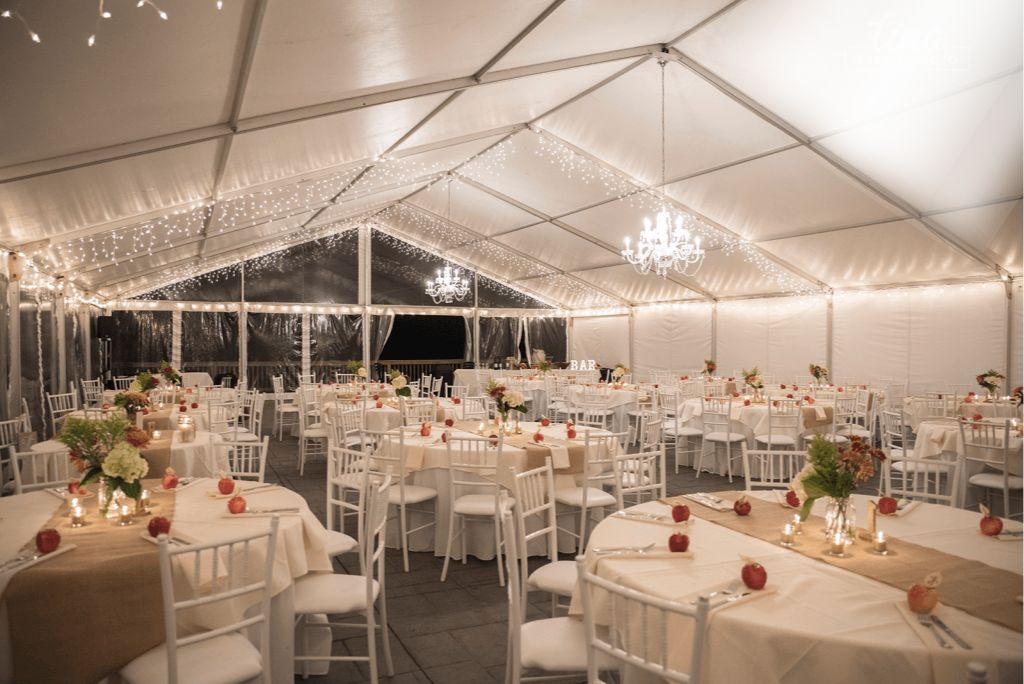
Planning an event is exciting until the quotes start rolling in. Whether it’s a beautiful outdoor wedding or a backyard celebration, one question that often comes to mind is: Why does a tent rental cost so much? This guide to the tent rental cost breakdown covers everything you need to know.
Renting a tent is one of the most practical and versatile solutions for outdoor events. Whether you are planning a wedding, a corporate function, or a backyard gathering, a tent provides a functional and stylish space to host your guests.
However, the cost of tent rental packages can vary for several reasons, leaving many wondering whether it’s worth the investment.
This guide to tent rental costs will help you navigate the ins and outs and the factors that affect the cost of tent rentals for outdoor celebrations.
Tent Rental Cost Breakdown for Events and Parties: A Complete Pricing Guide
1. Tent Size & Tent Type: The Biggest Cost Driver
Not all tents are created equal, and prices vary. Larger tents for more guests directly increase the cost, not only for materials but also for installation.
Common types of event tents include:
- Pole Tents: Traditional, elegant, and high-peaked. They are budget-friendly, making them ideal for grassy or soft surfaces.
- Frame Tents: Highly versatile, with a metal frame, no center poles, and perfect for all surfaces. Often used for parties and weddings that require unobstructed space.
- Clear Span Tents: Engineered structure with no center pole. These offer a large, open, clear-span space and can be anchored in any space. They are the premium option for large-scale events.
Basic pole tents are generally cheaper than specialized high-end or high-peak tents.
2. Setup and Labor Costs
Here’s where many people underestimate expenses. Professional installation is often included, but a complex setup or, in some cases, extra labor can add to the cost.
Setting up a tent isn’t a DIY-friendly task. It requires:
- Skilled crew members
- Time (sometimes several hours or even days)
- Safety checks and proper anchoring
A professionally installed tent ensures safety and stability that’s something you can’t put a price on.
Tip: Always confirm whether setup and takedown are included in your quote. Some companies separate these charges.
3. Delivery and Transportation Fees
Transporting tents, especially large ones, is not an easy job. Sites that are hard to reach, require heavy-duty stacking, or are far from the party equipment rental company may incur extra fees.
Here’s What Affects Delivery Costs:
- Distance to your event location
- Size of the equipment
- Accessibility of the site
Pro Tip: Booking early can help secure better rates, especially during peak event seasons.
4. Site Preparation Requirements
Your venue plays a bigger role than you might expect. More complex, uneven, or inaccessible sites generally result in high labor, equipment, and material expenses.
Possible Additional Costs:
- Ground leveling
- Permits (for public spaces)
- Surface protection (for lawns or driveways)
- Anchoring solutions for concrete or asphalt
Insight: Always request a site inspection if you’re unsure about your space.
5. Accessories and Add-Ons
This is where your event really comes to life, and where costs can add up quickly. Items like flooring, lighting, tables, chairs, and sidewalls can significantly increase the total price.
Common Add-Ons:
- Lighting (string lights, chandeliers)
- Flooring or staging
- Sidewalls (for weather protection)
- Heating or cooling systems
- Tables and chairs
A simple tent can transform into a luxury venue with lighting and flooring, but each upgrade adds to the overall tent rental cost breakdown.
Tip: Prioritize essentials, then add extra accessories within your budget.
6. Seasonal Demand and Timing
Timing can significantly impact pricing. Peak seasons (May to October) and weekends, particularly Saturdays, are more expensive due to high demand.
Peak Seasons:
- Weddings (spring and fall)
- Holiday parties
- Festival seasons
During high-demand periods, prices may increase due to limited availability and higher demand.
Smart Move: It is best to book your tent rental at least 2-3 months in advance to lock in better rates and reduce last-minute hassle.
Practical Tips to Manage Tent Rental Costs
Want to stay within budget without compromising quality? Here are some tried-and-tested strategies:
- Know your guest count early: Rent only the space you need. Accurately calculate requirements to avoid overpaying for unnecessary space.
- Bundle rentals with a single provider: Combine tents with tables, chairs, linens, and lighting from a single supplier to get package pricing and reduced delivery rates.
- Choose the right tent type: Traditional tents are generally more affordable than frame tents because they require fewer structural components and a simpler setup.
- Select single over premium: Swap expensive features like chandelier lighting with string lights or ballroom gardens. Avoid full tent liners and opt for simple sidewalls instead of panoramic windows.
Experienced tent rental companies offer value that extends beyond the initial rental price, with a focus on security and efficiency.
The Bottom Line
Understanding the tent rental cost breakdown takes the guesswork out of event planning. When you know what influences pricing, from tent size to accessories, you can make informed decisions that align with your vision and budget.
If you’re planning an upcoming event and want a smooth, stress-free experience, AllState Party & Tent Rentals is here to help. From high-quality tent rentals and professional setup to event essentials like tables, chairs, lighting, and flooring. we’ve got everything you need to bring your event together seamlessly.
Reach out to AllState Party & Tent Rentals today and let’s turn your event idea into a beautifully executed reality!
Disclaimer: This content is for informational purposes only and is written by a professional content writer. Contact us to learn more about our rental services.


 yolo247club club
 Yolo247 club