Sahu
Sahu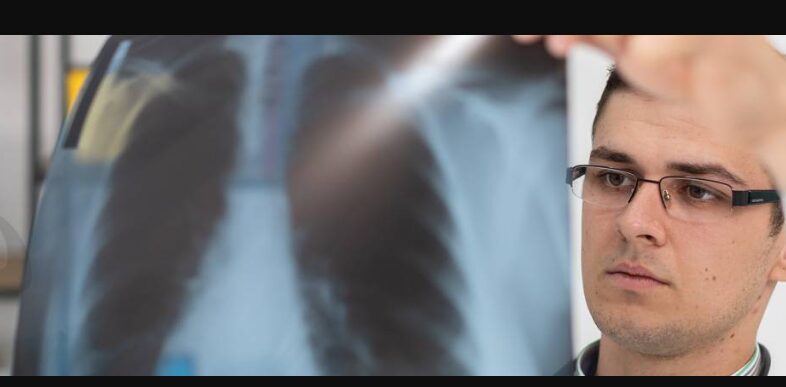
Asthma is a long-term disease of the breathing tubes (airways) in the lungs. In asthma, these airways become sensitive and inflamed. When exposed to triggers like dust, smoke, infection, or cold air, the muscles around them tighten and the lining swells. This makes the airways narrow and filled with thick mucus, so air cannot move in and out easily. The result is wheezing, breathlessness, coughing, and chest tightness.
In a large and fast-growing city like Hyderabad, with heavy traffic, construction dust, changing seasons, and rising air pollution, many people experience breathing problems. Some dismiss it as “dust allergy” or “smoker’s cough” for years. In reality, many of these patients have asthma that can be diagnosed and controlled with proper care. Modern asthma treatment in Hyderabad focuses on long-term control, not just short-term relief.
What exactly is asthma?
Asthma is a chronic inflammatory disease of the airways. “Chronic” means it usually does not go away completely, but it can be kept under very good control. The airways of a person with asthma:
- Are more sensitive than normal
- React strongly to triggers such as dust, smoke, pollen, pet dander, strong smells, viral infections, cold air, or exercise
- Narrow down when irritated, making it harder to breathe
Because this is an ongoing tendency, asthma can flare up again and again if it is not treated properly or if triggers are not controlled.
Asthma is not contagious. You cannot catch it from someone. It tends to run in families and is more common in people with allergies, eczema, or a strong family history of wheezing or “bronchial problems.”
Can asthma be cured?
There is no simple “cure” that makes asthma disappear forever, but it can be very well controlled. Many people with asthma live full, active lives with almost no symptoms when their treatment is planned correctly.
Good control means:
- No or very few daytime symptoms
- No night-time waking due to breathlessness or cough
- No frequent use of “rescue” inhalers
- Ability to work, exercise, and play normally
- No or very rare emergency visits
With proper asthma treatment in Hyderabad, many patients need only low-dose daily medicines and periodic reviews. Children can run and play like other children. Adults can exercise, travel, and work without constant fear of attacks.
Common symptoms of asthma
Symptoms can differ from person to person, but some patterns are typical:
- Wheezing – a whistling sound while breathing, especially on exhaling
- Shortness of breath – feeling as if it is hard to get air in or out
- Chest tightness or heaviness – a feeling of pressure on the chest
- Coughing – often worse at night, early morning, or with exercise
- Worsening with triggers – dust, smoke, strong perfumes, cold air, or infections
If you notice that your cough or breathing trouble keeps coming back in certain seasons, in dusty places, or at night, it is important to get evaluated for asthma rather than rely only on home remedies.
How asthma is diagnosed
A doctor (usually a pulmonologist or chest physician) will:
- Take a detailed history of your symptoms, triggers, and family history
- Listen to your lungs with a stethoscope
- Order tests like spirometry, which measures how much and how fast you can blow air out
- Sometimes use peak flow monitoring, chest X-ray, or allergy testing as needed
In many cases, the combination of symptoms, examination, and spirometry is enough to confirm asthma and start a treatment plan.
Key elements of asthma treatment
Asthma treatment has two main parts: quick relief and long-term control.
- Reliever (“rescue”) medicines
These medicines work fast to relax the airway muscles and open the breathing tubes. They are usually given through an inhaler. They are important during an asthma attack but should not be the only treatment used every day. - Controller (preventer) medicines
These are the foundation of modern asthma care. Controller medicines, often inhaled corticosteroids or combination inhalers, reduce inflammation inside the airways. They:
- Decrease swelling and sensitivity
- Reduce the number of attacks
- Protect the lungs in the long run
These are usually taken daily, even when you feel well, as advised by your doctor.
Other medicines such as leukotriene modifiers, allergy tablets, or, in severe cases, biologic injections may be used in selected patients. A good asthma treatment in Hyderabad plan also includes:
- Teaching correct inhaler technique
- Giving an asthma action plan (what to do if symptoms increase)
- Scheduling regular check-ups to step up or step down treatment
Asthma and city pollution: special precautions in Hyderabad
Hyderabad faces common urban issues: vehicle emissions, construction dust, seasonal smog, and smoke from garbage or festivals. These can all trigger symptoms.
Practical steps to protect your lungs:
- Check air quality when possible: On days with visibly poor air or high pollution levels, limit outdoor exercise near main roads.
- Use masks in high-exposure areas: A well-fitted mask can reduce inhalation of dust and fumes when travelling on busy roads or visiting construction-heavy zones.
- Keep windows closed during peak traffic hours: Especially if your home or office is near a main road.
- Improve indoor air quality:
- Wet-dust surfaces instead of dry sweeping
- Use exhaust fans in kitchens to remove smoke and fumes
- Avoid incense, strong perfumes, and room fresheners if they trigger symptoms
- Avoid smoking and second-hand smoke: Cigarette smoke is a major trigger and increases the risk of severe attacks.
- Wash hands and masks regularly: This helps reduce infections that can worsen asthma.
Children, older adults, and those with severe asthma need extra caution during high-pollution days. Your doctor can suggest whether to adjust medicines in certain seasons.
Lifestyle tips for better asthma control
Medicine is essential, but daily habits matter too:
- Stay active: Regular walking, cycling, or swimming (if tolerated) can improve lung strength. Your doctor can guide safe activity levels.
- Maintain a healthy weight: Extra weight can worsen breathlessness and reduce the effect of medicines.
- Get recommended vaccines: Flu and pneumonia vaccines may be suggested, especially for adults and those with frequent infections.
- Manage allergies: If you have dust mite, pet, or pollen allergy, simple environmental changes and allergy treatment can improve asthma control.
- Sleep well and manage stress: Poor sleep and stress can make asthma feel worse and reduce your ability to cope with symptoms.
A personalised plan from a specialist is more effective than generic advice, because triggers and lifestyles differ from person to person.
When to seek urgent medical help
Go to a doctor or Emergency Department immediately if:
- You are very short of breath and cannot speak in full sentences
- Your rescue inhaler is not giving relief or you need it more often than usual
- Your lips or fingers look bluish
- You feel confused, extremely tired, or drowsy
- Your peak flow (if you use a meter) is in the red zone of your action plan
These signs can indicate a severe asthma attack that needs oxygen, nebulisation, steroids, and close monitoring.
Asthma treatment in Hyderabad at Citizens Specialty Hospital
For many people, asthma is a daily worry: “Will I be able to climb the stairs today?” “What if I get breathless at work?” With the right support, these fears can be reduced greatly.
At Citizens Specialty Hospital, pulmonologists and respiratory care teams provide comprehensive asthma services under one roof. Care typically includes:
- Detailed evaluation of symptoms and triggers
- Spirometry and other lung function tests
- Personalised medication plans with the simplest effective regimen
- Inhaler technique training and written asthma action plans
- Education on pollution precautions, exercise, and allergy control
- 24/7 Emergency support for severe attacks
If you are looking for structured, specialist-led asthma treatment in Hyderabad, Citizens Specialty Hospital offers a combination of modern diagnostics, evidence-based treatment, and patient education. The goal is not just to “manage” attacks, but to reduce them, help you breathe easier day-to-day, and allow you to live, work, and move with confidence in a busy city.

 Derma One Aesthetic Clinic
 Christina Wood