rajdeep Singh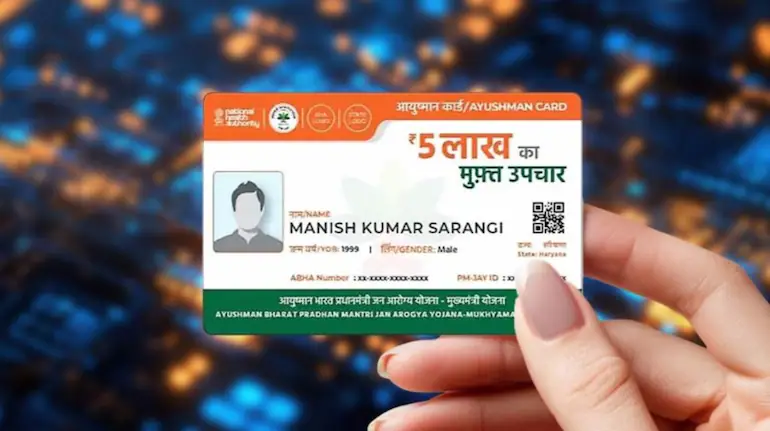
The Ayushman card, part of the Pradhan Mantri Jan Arogya Yojana (PM-JAY), stands as one of India’s largest health insurance schemes. It provides financial protection to the economically vulnerable by offering cashless treatment up to Rs. 5 lakh annually. While the scheme promises great benefits, many Ayushman card holders have reported cases of denial of treatment at government and empanelled hospitals. Understanding the reasons behind such refusals is crucial for beneficiaries to safeguard their rights. This article explores the five key government-related reasons why an Ayushman card holder may be denied treatment and offers insights on how to avoid such situations. We will also guide readers about the proper procedure to access an ayushman card download for seamless use.
What is the Ayushman card and its significance?
The Ayushman card acts as a health identity pass for eligible individuals under the PM-JAY scheme. It allows cardholders to receive treatment without upfront payments in empanelled hospitals authorised by the government and insurance agencies. The scheme targets over 10 crore poor and vulnerable families, aiming to reduce their out-of-pocket medical expenses substantially. With digitalisation, the ayushman card download facility is facilitated through official portals and the mobile app to encourage easy access and usage. However, despite the government’s efforts, denial of treatment still occurs, and awareness of the reasons is necessary for patients and hospital staff alike.
Reason 1: Incomplete or incorrect beneficiary data
One of the most common causes for treatment denial is discrepancies in beneficiary data. Since the scheme relies heavily on data from government databases like SECC (Socio-Economic Caste Census), any mismatch in details such as name, age, or biometric information can lead to rejection at the hospital. Hospitals verify the Ayushman card details electronically during admission. If the biometric authentication or demographic data does not match exactly, treatment may be refused until corrections are made.
To prevent this, beneficiaries should verify their information at authorised Common Service Centres or online platforms. Staying updated during the ayushman card download and verification process significantly reduces the chance of such mismatches.
Reason 2: Treatment not covered under the Ayushman scheme
The PM-JAY scheme covers a large number of medical procedures, but not all treatments are included. Certain elective surgeries, cosmetic procedures, and outpatient consultations may fall outside the approved list. Hospitals cannot claim reimbursement for such treatments under the scheme and thus might deny cashless admission in these cases.
Beneficiaries are advised to review the list of covered procedures available on the official Ayushman Bharat website or app before availing services. Understanding which treatments enjoy coverage helps avoid surprises at the hospital reception.
Reason 3: Private hospitals not empanelled properly
Though the scheme permits treatment at both government and private empanelled hospitals, only those with valid empanelment certificates can provide cashless services. If a private hospital has lost its empanelment status due to non-compliance or administrative issues, they legally cannot offer treatment under the scheme to Ayushman card holders.
Patients must verify hospital empanelment status before admission either through the online portal or by contacting the State Nodal Agency. Attempting treatment at non-empanelled hospitals will result in denial and possible out-of-pocket expenses.
Reason 4: Exceeding the annual coverage limit
The scheme allows up to Rs. 5 lakh coverage per family per year for hospitalisation expenses. If a family exhausts this amount due to prior claims or multiple members undergoing treatment, any subsequent hospitalisation will not be covered. Hospitals must then treat these patients as general outpatients, leading to treatment denial under the Ayushman scheme.
Tracking claim usage and settlement is important. Beneficiaries can monitor their claim status and remaining balance using government-authorised portals or the ayushman card download app to plan healthcare better.
Reason 5: Lack of valid identity proof or non-production of Ayushman card
Despite holding the Ayushman card digitally or physically, some patients fail to produce valid identification or the card itself during hospital admission. Since the Ayushman scheme requires verification through the card linked with Aadhaar or other databases, inability to present the card can hamper the verification process.
To avoid such situations, it is advisable to carry the Ayushman card (physical or downloaded digital copy) and a valid photo ID at all times when seeking treatment. Those who do not have their Ayushman card can easily obtain it by completing the Ayushman card download process from official sources.
How to ensure uninterrupted treatment under Ayushman scheme
– Always check and update beneficiary details periodically to avoid data mismatches during hospital admission.
– Confirm the hospital’s empanelment status using official resources before planned treatments.
– Review the treatment codes covered under PM-JAY to understand what procedures qualify for cashless benefits.
– Keep track of annual claim utilisation through the scheme’s official portals or apps.
– Carry the Ayushman card and valid ID proof while visiting healthcare facilities.
– Use the official portal or mobile app for ayushman card download to keep a secure digital copy.
Conclusion
The Ayushman card plays a vital role in providing affordable healthcare to millions of Indians, but denial of treatment can occur due to several government-related reasons. Incorrect beneficiary data, uncovered treatments, non-empanelled hospitals, exhausted coverage limits, and non-production of valid documentation are key hurdles that cardholders commonly face. By being aware of these reasons and following the right procedures, Ayushman card holders can minimise the risk of treatment denial. Additionally, timely ayushman card download and verification ensure smoother hospital admissions and enable seamless utilisation of benefits. Understanding these aspects helps beneficiaries fully leverage the PM-JAY scheme’s promise of accessible, cashless healthcare services.


 Italian Yogkulam
 yog kulam