aosom usa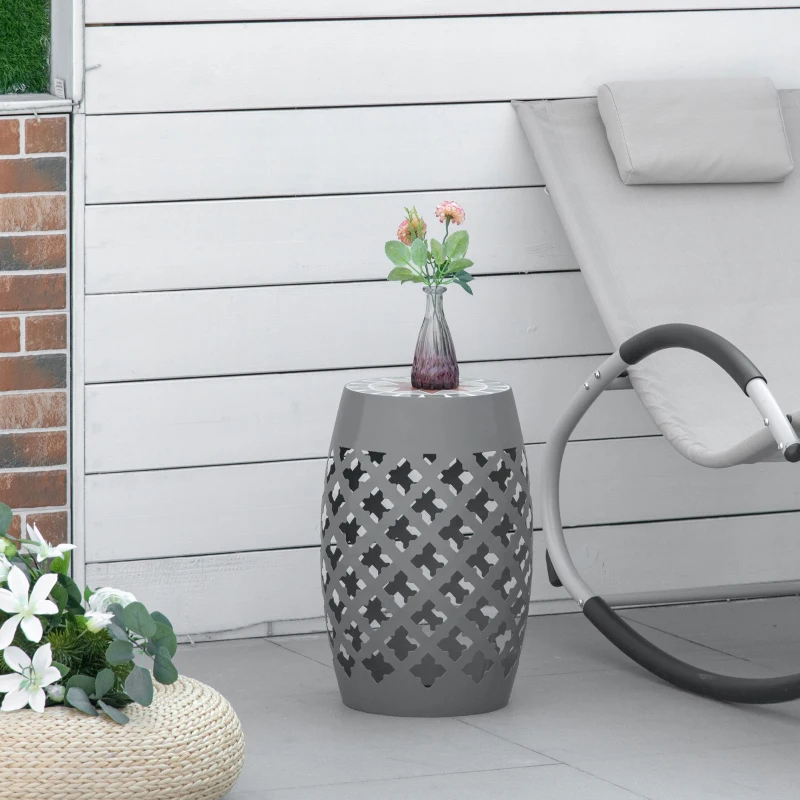
Garden stools are one of the most versatile pieces of outdoor furniture. Compact, functional, and stylish, they provide additional seating while doubling as side tables or decorative accents. Whether placed on a patio, balcony, deck, or backyard lawn, garden stools add flexibility without occupying much space.
The best garden stools for outdoor seating combine durability, weather resistance, stability, and aesthetic appeal. With various materials and designs available, choosing the right option ensures both comfort and long-term performance. This article explains what to look for and highlights the most suitable types for different outdoor spaces.
Types of Garden Stools for Outdoor Seating
1. Ceramic Garden Stools
Ceramic stools are among the most popular choices.
Advantages:
-
Stylish and decorative
-
Weather-resistant glaze
-
Suitable as seating or side tables
They often feature intricate patterns or glossy finishes that elevate patio aesthetics.
However, ceramic stools are heavier and may require careful handling.
2. Metal Garden Stools
Metal stools offer durability and modern appeal.
Benefits:
-
Strong and sturdy
-
Suitable for heavy use
-
Sleek design
Powder-coated finishes protect against rust and weather damage.
These are ideal for contemporary outdoor spaces.
3. Wooden Garden Stools
Wooden stools provide natural warmth.
Features:
-
Rustic or classic look
-
Strong support
-
Comfortable surface
Choose treated or weather-resistant wood to ensure longevity.
4. Plastic or Resin Garden Stools
Lightweight and affordable, resin stools are practical.
Advantages:
-
Easy to move
-
Low maintenance
-
Budget-friendly
High-quality resin can withstand sun exposure and moisture.
5. Garden Stools with Storage
Some models include hidden compartments.
Best for:
-
Storing cushions
-
Keeping small tools organized
-
Maintaining tidy patios
Multi-functional designs maximize space efficiency.
Key Features to Consider
1. Weather Resistance
Outdoor furniture must handle varying weather conditions.
Look for:
-
UV-resistant materials
-
Waterproof finishes
-
Rust-resistant coatings
Proper weather protection ensures long-term durability.
2. Stability and Weight Capacity
A sturdy base prevents tipping.
Ensure:
-
Even weight distribution
-
Solid construction
-
Weight capacity suitable for adults
Many garden stools support between 200–300 pounds.
3. Height and Proportion
Standard garden stool height ranges from 16 to 18 inches, making them suitable for casual seating.
When used as side tables, the stool height should align with surrounding chairs.
4. Portability
Lightweight stools offer flexibility.
Ideal for:
-
Small patios
-
Rearranging seating layouts
-
Bringing indoors during extreme weather
Balance portability with stability.
Best Garden Stools for Small Outdoor Spaces
Compact patios and balconies benefit greatly from garden stools.
Look for:
-
Slim, round designs
-
Stackable options
-
Lightweight materials
Round stools improve traffic flow and prevent sharp corners in tight spaces.
Garden Stools as Decorative Elements
Beyond seating, garden stools enhance décor.
Creative uses include:
-
Plant stands
-
Accent tables
-
Decorative corner pieces
Colorful ceramic or patterned designs add visual interest.
Placement Tips
Strategic placement improves functionality.
Beside Outdoor Sofas
Provides convenient surface for drinks or books.
Around Fire Pits
Adds extra seating without overcrowding.
Near Garden Beds
Creates a comfortable resting spot while gardening.
Maintenance Tips
To extend the life of your garden stool:
-
Wipe surfaces regularly
-
Cover during heavy rain
-
Store indoors in harsh winter conditions
-
Check for rust or cracks periodically
Routine maintenance preserves both appearance and safety.
Budget Considerations
Garden stools range widely in price depending on material and design.
Higher-end ceramic and metal stools offer long-term durability, while resin options provide cost-effective flexibility.
Balance budget with intended usage frequency and exposure to elements.
Common Mistakes to Avoid
-
Choosing stools too tall or too short
-
Ignoring weight capacity
-
Selecting non-weatherproof materials
-
Overcrowding small patios with multiple stools
Proper sizing and planning ensure optimal functionality.
Conclusion
The best garden stools for outdoor seating combine durability, weather resistance, and versatile design. Whether opting for decorative ceramic models, sturdy metal options, natural wooden stools, or lightweight resin designs, selecting the right material and size enhances both comfort and practicality.
By focusing on stability, weatherproof features, and appropriate height, you can create flexible seating arrangements that adapt to your outdoor lifestyle. A well-chosen garden stool adds convenience, style, and functionality, making it an essential addition to any patio or garden space.


 wolf7 pay
 jagdishe jaggu