Health Care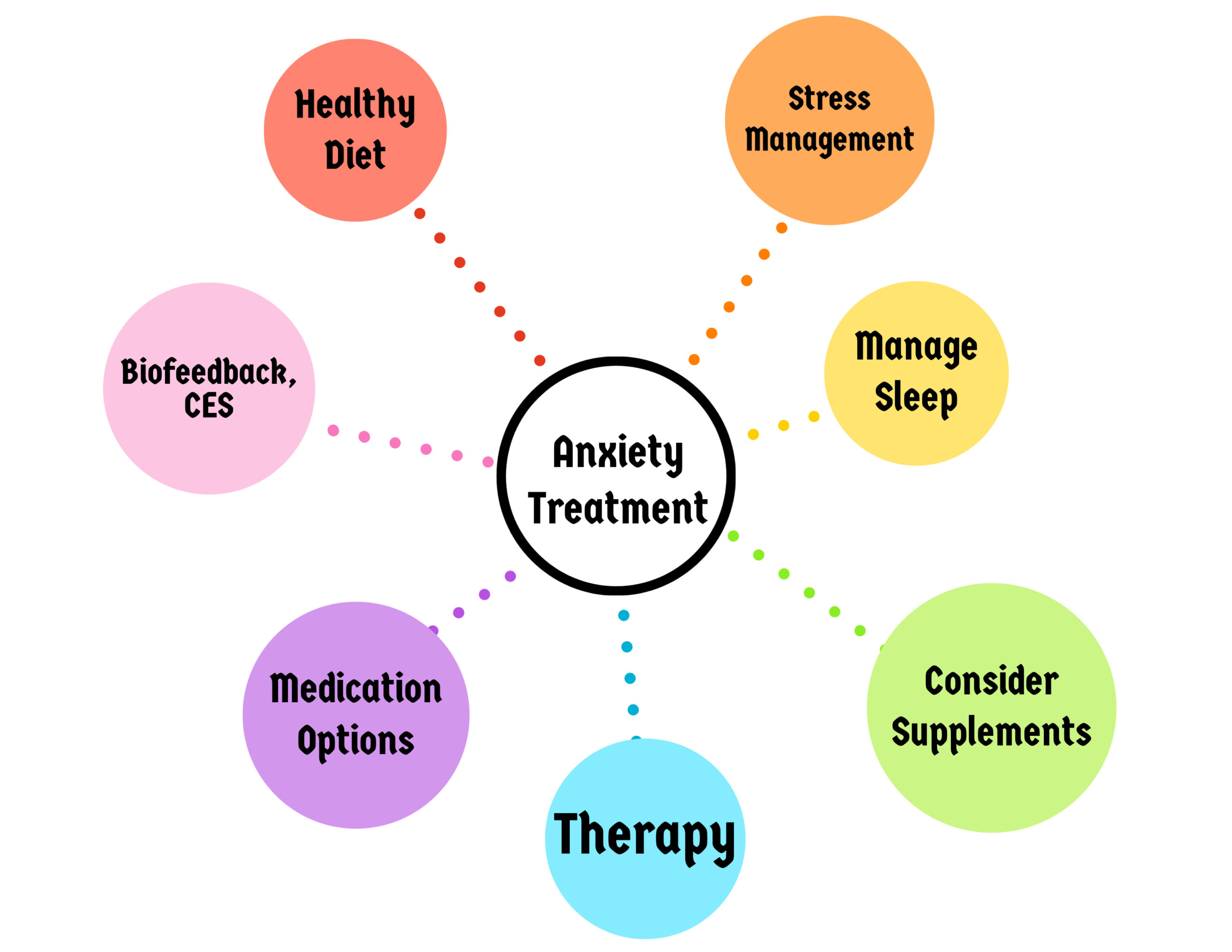
Introduction
Anxiety is a natural stress response, but when it becomes persistent, overwhelming, or interferes with daily life, it may develop into an anxiety disorder. Millions of people worldwide struggle with anxiety, making it one of the most common mental health conditions. Fortunately, anxiety is highly treatable, and a combination of therapies, lifestyle changes, and professional support can help individuals regain control of their lives.
This article explores the best treatment for anxiety, including therapy, medication, self-help strategies, and holistic approaches.
Understanding Anxiety
Anxiety disorders include conditions such as generalized anxiety disorder (GAD), panic disorder, social anxiety disorder, and phobias. Symptoms may include:
- Excessive worry or fear
- Restlessness or irritability
- Rapid heartbeat
- Difficulty concentrating
- Sleep disturbances
- Muscle tension
Recognizing these symptoms early is essential for seeking the right treatment.
- Cognitive Behavioral Therapy (CBT)
Cognitive Behavioral Therapy (CBT) is widely regarded as the most effective psychological treatment for anxiety.
How CBT Works
CBT focuses on identifying and changing negative thought patterns and behaviors that contribute to anxiety. It helps individuals:
- Challenge irrational fears
- Develop coping strategies
- Replace negative thinking with realistic thoughts
Benefits of CBT
- Structured and goal-oriented
- Provides long-term coping skills
- Effective for most anxiety disorders
CBT is often the first-line treatment recommended by mental health professionals.
2. Medication for Anxiety
In some cases, medication may be necessary, especially when anxiety is severe or persistent.
Common Medications
- Antidepressants (SSRIs & SNRIs): Help regulate mood and reduce anxiety
- Benzodiazepines: Provide short-term relief but may cause dependence
- Beta-blockers: Help manage physical symptoms like a rapid heartbeat
Important Considerations
Medication should always be prescribed and monitored by a qualified psychiatrist. It is often most effective when combined with therapy.
3. Mindfulness and Meditation
Mindfulness-based practices are increasingly popular for managing anxiety.
Techniques Include
- Meditation
- Deep breathing exercises
- Body scanning
- Guided relaxation
Benefits
- Reduces stress hormones
- Improves emotional regulation
- Enhances focus and calmness
Practicing mindfulness regularly can significantly reduce anxiety symptoms over time.
4. Lifestyle Changes
Healthy lifestyle habits play a crucial role in anxiety management.
Key Changes
- Regular Exercise: Releases endorphins and reduces stress
- Balanced Diet: Supports brain health
- Adequate Sleep: Essential for emotional stability
- Limit Caffeine & Alcohol: These can worsen anxiety
Even small daily improvements can have a significant impact on mental well-being.
5. Exposure Therapy
Exposure therapy is particularly effective for phobias and social anxiety.
How It Works
This therapy involves gradually exposing individuals to feared situations in a controlled environment. Over time, fear responses decrease.
Benefits
- Reduces avoidance behavior
- Builds confidence
- Provides lasting results
It is usually conducted under professional supervision for safety and effectiveness.
- Support Systems and Counseling
Talking about anxiety with trusted individuals can be incredibly helpful.
Options Include
- Individual counseling
- Group therapy
- Support groups
- Family therapy
Sharing experiences helps reduce feelings of isolation and provides emotional support.
7. Natural and Holistic Approaches
Some individuals prefer complementary therapies alongside traditional treatments.
Popular Options
- Yoga
- Aromatherapy
- Herbal supplements (like ashwagandha or chamomile)
- Acupuncture
Note
While these methods can support mental health, they should not replace medical treatment for severe anxiety.
8. Self-Help Strategies
Daily coping techniques can empower individuals to manage anxiety independently.
Effective Strategies
- Journaling thoughts and emotions
- Practicing gratitude
- Setting realistic goals
- Limiting overthinking
- Engaging in hobbies
Consistency is key to making these strategies effective.
9. Digital Tools and Apps
Technology offers convenient ways to manage anxiety.
Examples
- Meditation apps
- Mood tracking apps
- Online therapy platforms
These tools can complement traditional treatments and provide support anytime.
10. When to Seek Professional Help
It is important to seek professional help if:
- Anxiety interferes with daily life
- Symptoms persist for weeks or months
- Panic attacks occur frequently
- There is difficulty functioning at work or in relationships
Early intervention leads to better outcomes and faster recovery.
Conclusion
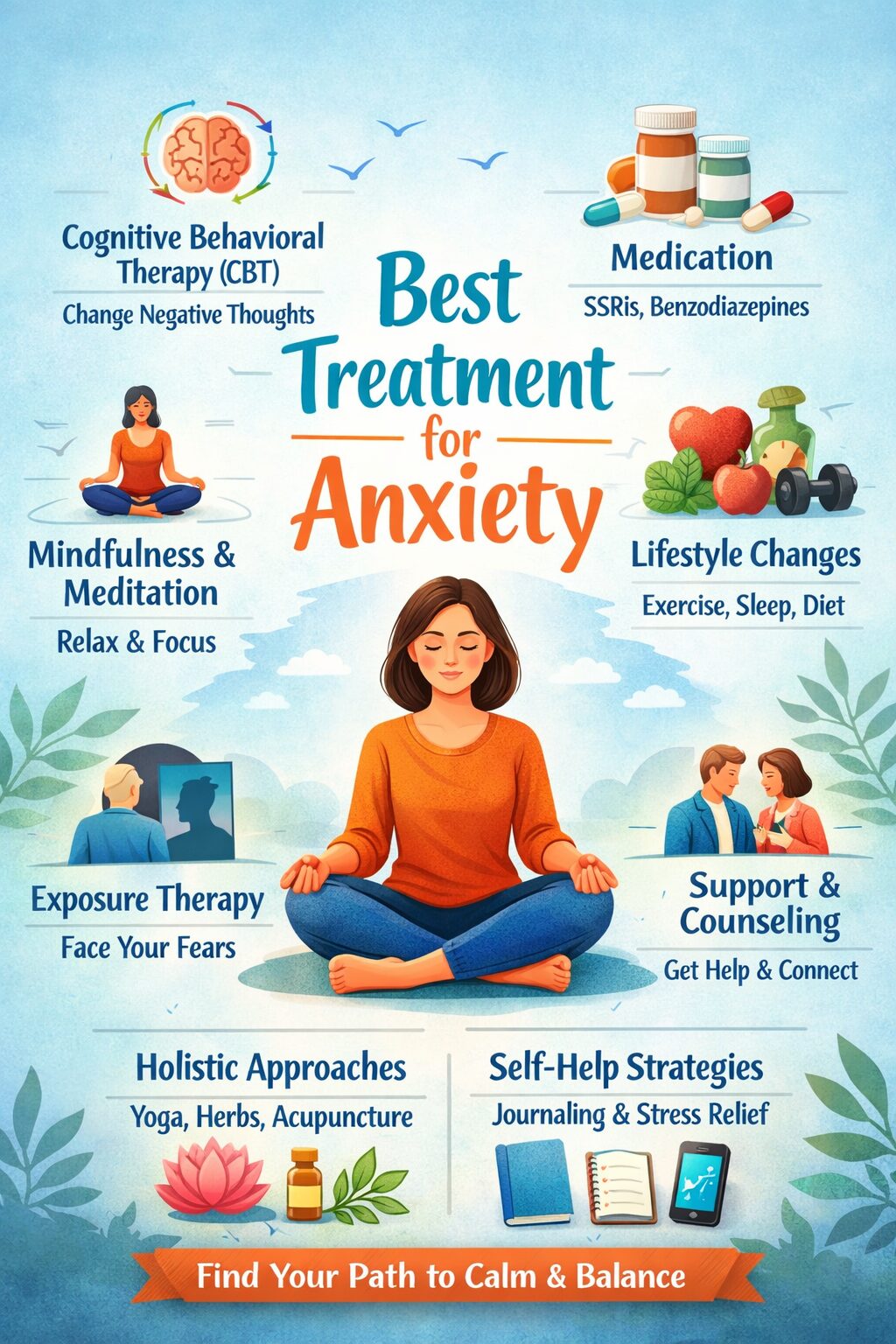
The best treatment for anxiety is not one-size-fits-all. It often involves a combination of therapy, medication, lifestyle changes, and self-care practices. Cognitive Behavioral Therapy remains the gold standard, while mindfulness, exercise, and support systems play vital roles in long-term recovery.
With the right approach and professional guidance, anxiety can be effectively managed, allowing individuals to lead healthier, more fulfilling lives.

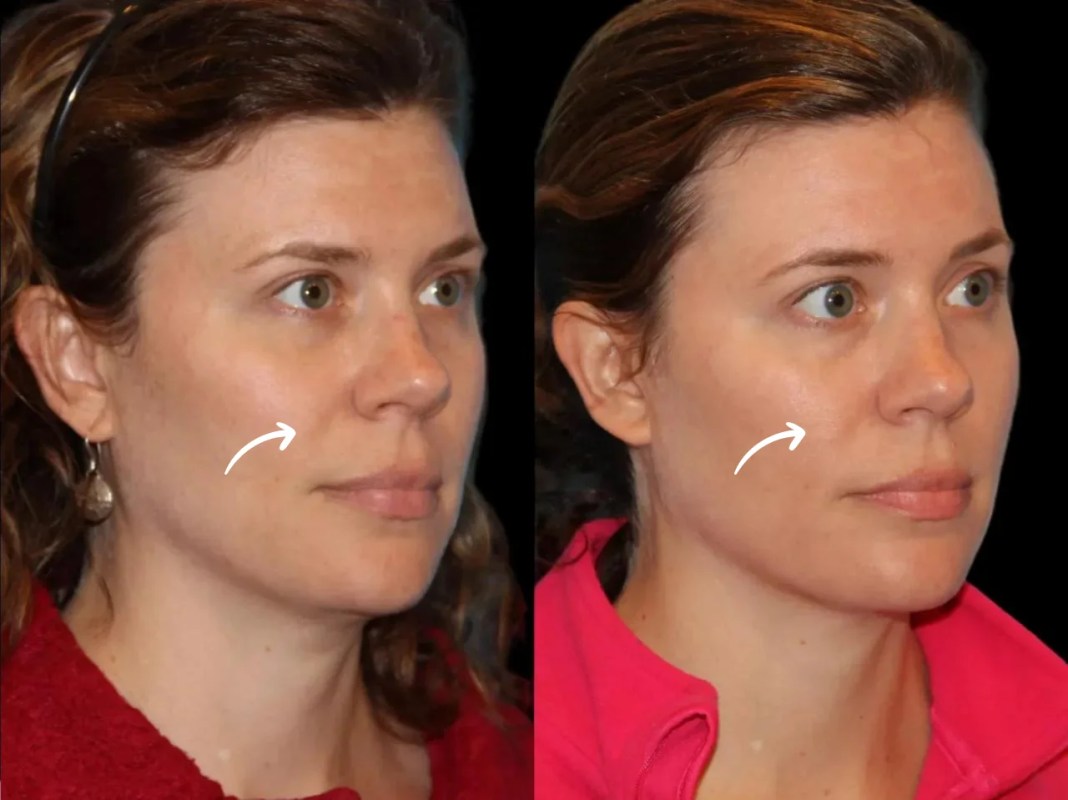
 Sculptra Fillers
 royal clinic