John Walkman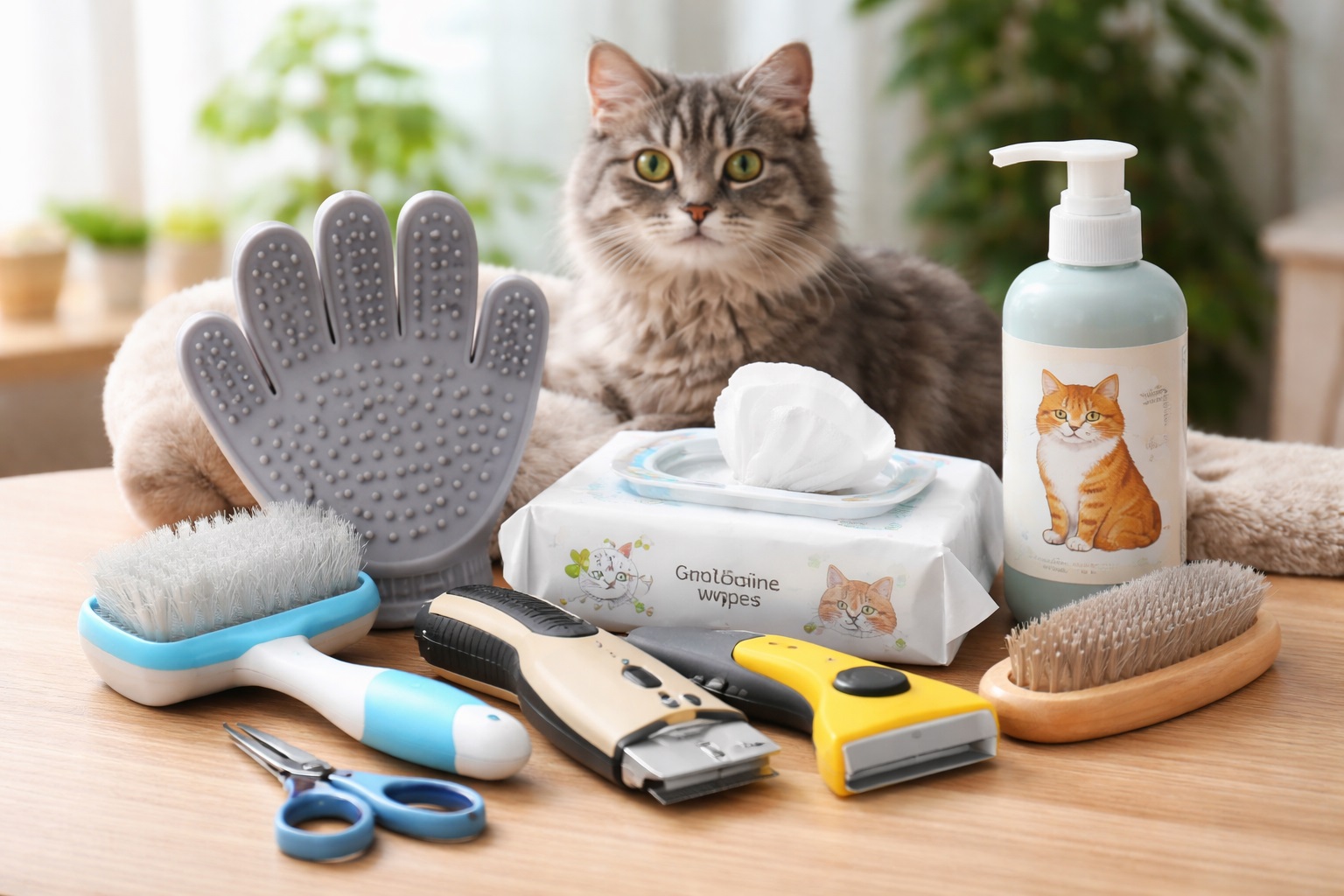
If your cat runs away the moment they see a brush, you’re not alone. Many cat parents struggle with grooming sessions that feel more like a wrestling match than bonding time. While grooming is essential for your cat’s health, forcing it the wrong way can increase fear and resistance.
The good news? With the right cat grooming supplies and a better understanding of cat grooming habits, grooming can become calmer, quicker, and even enjoyable—for both you and your cat.
This guide breaks down why cats hate grooming, which tools actually help, and how to build a stress-free grooming routine at home.
Why Some Cats Hate Grooming
Cats are naturally clean animals, so when they resist grooming, it’s usually not stubbornness—it’s discomfort or fear.
Common reasons cats dislike grooming:
- Past negative experiences such as rough brushing or forced baths
- Sensitive skin and nerves, especially around the belly, tail, and paws
- Loud or vibrating tools that overwhelm their senses
- Loss of control, which makes cats anxious
Every cat has unique cat grooming habits shaped by age, coat type, and personality. Understanding those habits is the first step toward stress-free grooming.
Understanding Natural Cat Grooming Habits
Cats groom themselves instinctively using their tongue, which is gentle, rhythmic, and familiar. When humans groom cats differently—too fast, too rough, or too long—it clashes with those instincts.
Natural grooming traits cats prefer:
- Short grooming sessions
- Gentle, predictable movements
- Quiet environments
- Familiar scents and tools
When your grooming routine respects natural cat grooming habits, cats are far less likely to resist.
Stress-Free Cat Grooming Supplies That Actually Help
Choosing the right tools can completely change your grooming experience. The best cat grooming supplies are designed to reduce noise, pressure, and discomfort.
Soft Grooming Brushes for Sensitive Cats
Soft-bristle or silicone brushes are ideal for cats that hate traditional brushes. They remove loose fur without pulling or scratching.
Best for:
- Short-haired cats
- Senior cats
- Cats new to grooming
These brushes mimic the gentle sensation of self-grooming, aligning with natural cat grooming habits.
Quiet, Low-Vibration Grooming Tools
Cats are extremely sensitive to sound. Loud trimmers or buzzing tools can instantly cause panic.
Look for:
- Manual grooming tools
- Quiet electric trimmers designed for cats
- Low-vibration nail grinders
Reducing noise alone can dramatically improve acceptance of cat grooming supplies.
Gentle Cat Grooming Wipes
Not every cat needs a full bath. Grooming wipes are a stress-free alternative for quick cleanups.
Best uses:
- Cleaning paws and face
- Freshening between brushes
- Senior or anxious cats
They’re especially useful for cats with short attention spans or sensitive skin.
Cat-Safe Shampoos for Low-Stress Baths
When bathing is unavoidable, using the wrong product can make things worse.
Choose shampoos that are:
- Cat-specific (never dog shampoo)
- Free from sulfates, alcohol, and artificial fragrances
- Easy to rinse
The best cat grooming supplies prioritize safety and simplicity.
How to Introduce New Cat Grooming Supplies Without Stress
Even the best tools won’t help if introduced too quickly.
Tips for smooth introductions:
- Let your cat sniff and inspect tools first
- Start with 5–10 second sessions
- Groom during calm moments (after meals or naps)
- Reward with treats or praise
Consistency matters more than duration when shaping positive cat grooming habits.
Grooming Mistakes That Make Cats Hate Grooming More
Many grooming struggles come from well-intentioned mistakes.
Avoid these common errors:
- Grooming for too long in one session
- Ignoring warning signs like tail flicking or ear flattening
- Using dog or human grooming products
- Grooming only when mats become severe
Correcting these mistakes can instantly reduce resistance.
Building a Stress-Free Grooming Routine at Home
Routine creates predictability—and cats love predictability.
How to build a better routine:
- Groom at the same time of day
- Match frequency to coat type
- Keep sessions short and calm
- Stop before your cat becomes stressed
Over time, grooming becomes part of your cat’s normal grooming habits, not a threat.
Choosing the Best Cat Grooming Supplies for Your Cat
Not every product works for every cat. Choosing wisely prevents frustration.
Consider these factors:
- Coat length: long-haired cats need more frequent brushing
- Age: kittens and seniors need gentler tools
- Temperament: anxious cats need quieter, softer options
Quality matters more than quantity. A few well-chosen cat grooming supplies outperform a drawer full of unused tools.
Conclusion
If your cat hates grooming, it doesn’t mean grooming is impossible—it means the approach needs to change. By understanding natural cat grooming habits and using the best cat grooming supplies, you can turn grooming from a stressful chore into a calm, manageable routine.
Patience, the right tools, and respect for your cat’s comfort make all the difference.
FAQs
Why does my cat hate grooming so much?
Most cats dislike grooming due to sensory sensitivity, past negative experiences, or tools that don’t match their natural grooming habits.
What are the best cat grooming supplies for anxious cats?
Soft brushes, grooming wipes, and quiet tools are ideal for nervous or sensitive cats.
How often should I groom a cat that hates grooming?
Short sessions 1–3 times per week are better than infrequent long sessions, depending on coat type.
Can grooming improve my cat’s behavior over time?
Yes. Consistent, gentle grooming helps build trust and can reduce anxiety over time.
Do stress-free grooming supplies really make a difference?
Absolutely. The right tools reduce discomfort, fear, and resistance, making grooming easier for both cat and owner.


 bondcleaning service
 Timatoo Avis