Ql farms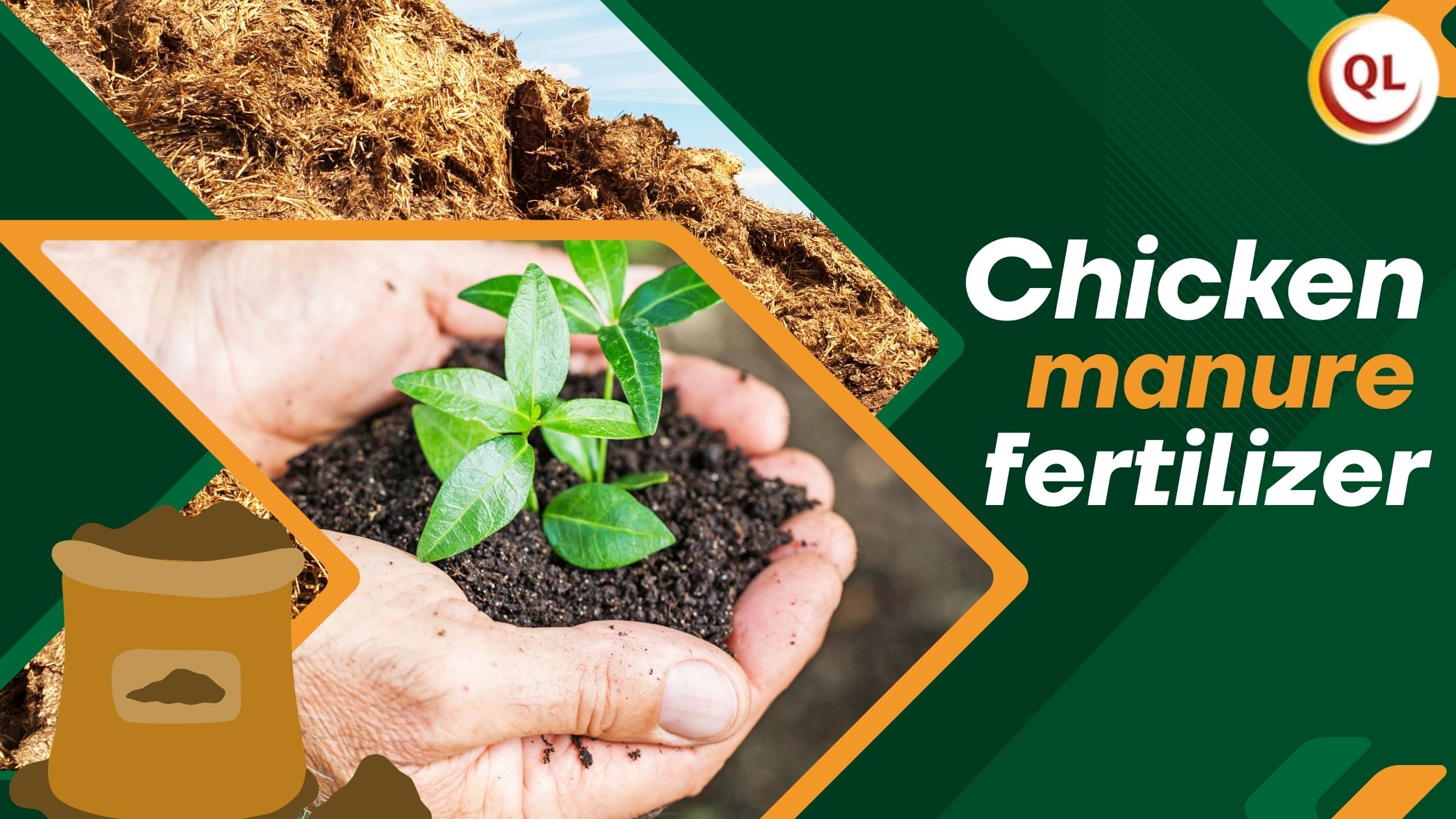
Modern agriculture is increasingly shifting toward sustainable and eco-friendly inputs, and Chicken Manure Fertilizer has emerged as one of the most effective natural solutions for improving soil fertility and crop productivity. At QL Farms, we specialize in producing high-quality organic fertilizers derived from carefully processed chicken manure, designed to support long-term soil health and sustainable farming practices.
This article explores the nutrient value of chicken manure fertilizer and explains the best application methods to help farmers achieve optimal results across various crops.
What Is Chicken Manure Fertilizer?
Chicken Manure Fertilizer is an organic fertilizer made from composted poultry manure that has been properly treated to remove pathogens, reduce odor, and stabilize nutrients. Unlike raw manure, processed chicken manure fertilizer is safe to use, easy to apply, and highly effective in enhancing soil structure and nutrient availability.
QL Farms uses controlled composting techniques to convert chicken manure into a nutrient-rich, environmentally friendly fertilizer suitable for vegetables, fruits, grains, and plantation crops.
Nutrient Value of Chicken Manure Fertilizer
One of the primary reasons farmers choose chicken manure fertilizer is its exceptional nutrient profile. Compared to other animal manures, chicken manure contains higher concentrations of essential plant nutrients.
1. Nitrogen (N)
Chicken manure fertilizer is rich in nitrogen, a key nutrient responsible for:
-
Promoting leafy growth
-
Enhancing chlorophyll production
-
Supporting vigorous plant development
Nitrogen from organic sources is released slowly into the soil, providing long-term nourishment without causing nutrient burn when applied correctly.
2. Phosphorus (P)
Phosphorus plays a vital role in:
-
Root development
-
Flowering and fruit formation
-
Energy transfer within plants
Chicken manure fertilizer contains readily available phosphorus that improves early plant establishment and overall crop strength.
3. Potassium (K)
Potassium supports:
-
Disease resistance
-
Water regulation
-
Improved crop quality and yield
Regular application of chicken manure fertilizer enhances potassium availability, contributing to stronger plants and better harvest outcomes.
4. Secondary Nutrients and Micronutrients
In addition to NPK, chicken manure fertilizer supplies:
-
Calcium for cell wall strength
-
Magnesium for photosynthesis
-
Sulfur for protein synthesis
-
Micronutrients such as zinc, copper, iron, and manganese
These nutrients work together to improve plant health and soil biological activity.
Benefits of Using Chicken Manure Fertilizer
Using chicken manure fertilizer from QL Farms offers multiple agronomic and environmental benefits:
-
Improves soil structure and aeration
-
Enhances water-holding capacity
-
Increases beneficial microbial activity
-
Reduces dependence on chemical fertilizers
-
Supports sustainable and organic farming systems
Over time, consistent application helps restore degraded soils and boosts natural fertility.
Application Methods of Chicken Manure Fertilizer
To achieve the best results, chicken manure fertilizer must be applied using the correct method and timing. Below are the most effective application techniques recommended by QL Farms.
1. Basal Soil Application
Basal application involves mixing chicken manure fertilizer into the soil before planting.
How to apply:
-
Spread the fertilizer evenly across the field
-
Incorporate it into the top 10–15 cm of soil
-
Apply 7–14 days before planting
This method allows nutrients to stabilize and become available to young plants.
2. Top Dressing
Top dressing is suitable for growing crops that require additional nutrients during critical growth stages.
Best practices:
-
Apply chicken manure fertilizer around the root zone
-
Avoid direct contact with plant stems
-
Lightly irrigate after application
This method is ideal for vegetables, fruits, and plantation crops.
3. Compost Blending
Chicken manure fertilizer can be blended with other organic materials such as crop residues or farmyard manure.
Advantages:
-
Balanced nutrient release
-
Improved soil organic matter
-
Enhanced microbial diversity
QL Farms recommends compost blending for farmers aiming to improve long-term soil fertility.
4. Application Rates
While application rates may vary based on soil type and crop, general guidelines include:
-
Vegetables: 1–2 tons per acre
-
Fruits and plantations: 2–3 tons per acre
-
Field crops: 1–1.5 tons per acre
Soil testing is recommended for precise nutrient management.
Safety and Best Practices
Proper handling ensures maximum benefit from chicken manure fertilizer:
-
Always use well-composted fertilizer
-
Avoid over-application
-
Store in a dry, shaded area
-
Follow recommended waiting periods before harvesting
QL Farms ensures all products meet quality standards for safe agricultural use.
Why Choose QL Farms Chicken Manure Fertilizer?
QL Farms is committed to delivering premium-quality organic fertilizers that meet the evolving needs of modern agriculture. Our chicken manure fertilizer is:
-
Fully composted and pathogen-free
-
Rich in essential nutrients
-
Environmentally sustainable
-
Suitable for organic and conventional farming
By choosing QL Farms, farmers invest in healthier soils, stronger crops, and sustainable agricultural growth.
Conclusion
Chicken Manure Fertilizer is a powerful natural input that provides essential nutrients while improving soil health and sustainability. Understanding its nutrient value and applying it correctly can significantly enhance crop performance and long-term productivity.
At QL Farms, we take pride in supplying reliable, high-quality chicken manure fertilizer that supports eco-friendly farming practices and helps farmers achieve consistent yields. Incorporating this organic solution into your nutrient management plan is a step toward healthier soils and a more sustainable agricultural future.


 Jhon Kary