paul walkers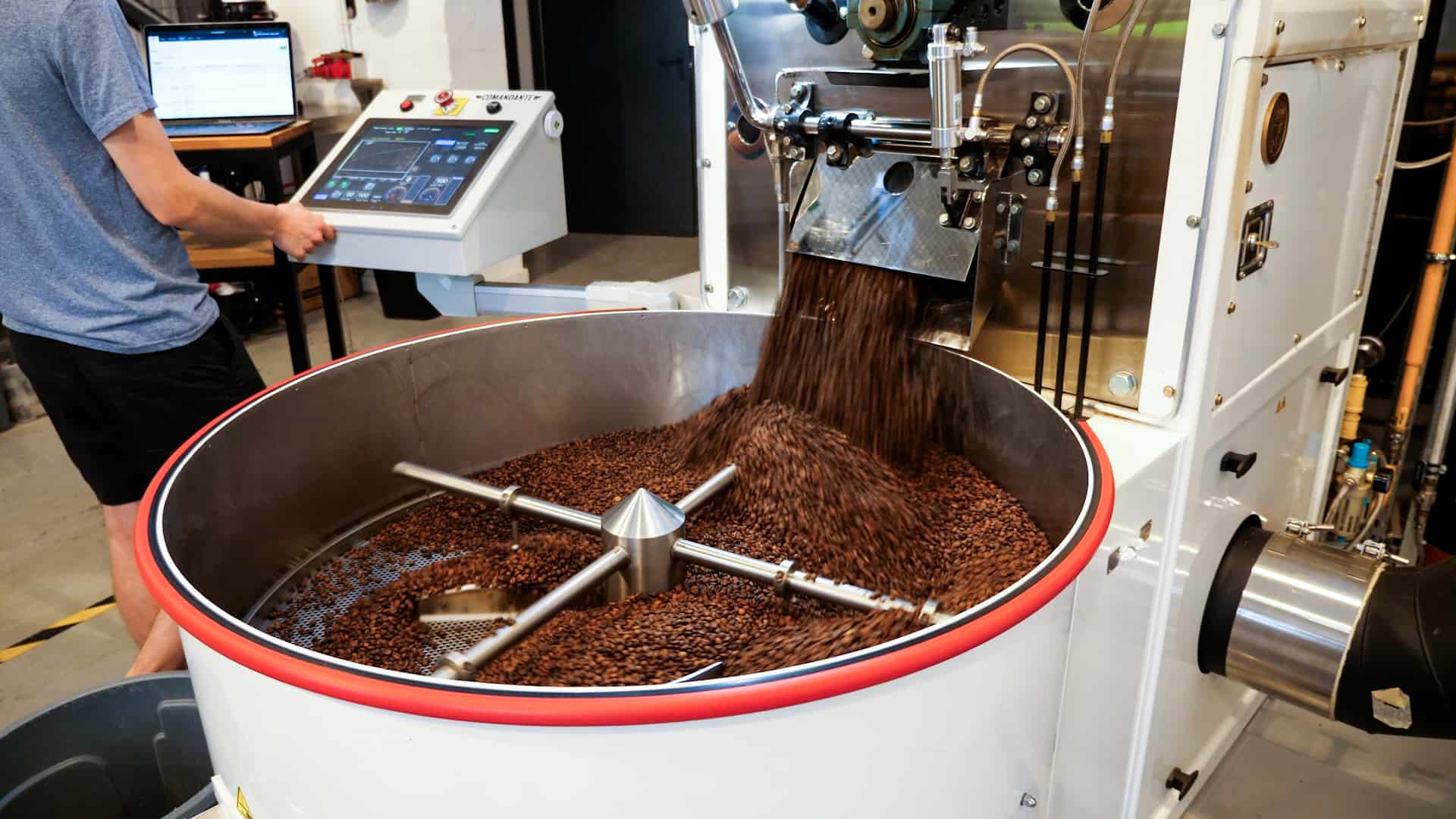
Coffee roasting is more than a culinary technique—it is a craft, a science, and for millions around the world, a passion. At its core, coffee roasting transforms ordinary green coffee beans into the rich, aromatic, flavorful beans that fuel our mornings and spark our creativity. But behind every cup lies a complex process that blends precision, experimentation, and intuition. Today, we explore the fascinating world of coffee roasting: what it is, why it matters, and how it shapes the global coffee experience.
Understanding the Essence of Coffee Roasting
Before coffee reaches your cup, it undergoes one of the most important phases in its journey: the roast. While green coffee beans are stable and long-lasting, they are grassy, hard, and flavorless. Roasting unlocks their hidden potential, transforming chemical compounds and creating the flavors we love—from chocolatey and nutty notes to vibrant floral and fruity profiles.
Coffee roasting is essentially the controlled application of heat. But the real magic happens in how roasters balance time, temperature, airflow, and technique. This delicate balance is what separates a mediocre cup from a truly extraordinary one.
The Science Behind the Roast
To truly appreciate coffee roasting, it helps to understand the science. Coffee beans go through several distinct stages during roasting, each critical to flavor development.
1. Drying Phase
Green beans contain 8–12% moisture. The drying phase slowly removes this water, usually for the first 4–6 minutes of the roast. Gentle drying allows even heat distribution and prevents scorching.
2. The Browning Phase
As heat intensifies, Maillard reactions begin—similar to the browning of bread or searing of steak. This is when aromatic compounds develop, giving coffee its signature scent and setting the foundation for flavor.
3. First Crack
A notable milestone in the roast, first crack occurs when beans expand and crack open due to internal steam pressure. This marks the transition from light to medium roasts.
4. Development Stage
After first crack, the roaster fine-tunes the bean’s flavor profile. Extending development time increases sweetness and body. Cutting it short preserves acidity and brightness.
5. Second Crack (Optional)
Darker roasts continue past first crack until oils surface and beans crack again. This stage intensifies roast flavor while reducing origin characteristics.
Every second matters here. A few degrees too far and the beans turn burnt, bitter, or smoky.
Types of Coffee Roasts and Their Flavors
Consumers often choose coffee based on roast level, not origin. Each roast creates a distinct taste experience.
☕ Light Roast
- Flavor: Bright, acidic, fruity, floral
- Origin Notes: Highly pronounced
- Ideal For: Pour-over, drip brews
Light roasts celebrate the unique flavors of the bean’s origin—perfect for those who appreciate complexity.
☕ Medium Roast
- Flavor: Balanced acidity, sweetness, and body
- Versatile: Works well with most brewing methods
Medium roasts offer a crowd-pleasing middle ground, preferred by many specialty roasters.
☕ Dark Roast
- Flavor: Bold, smoky, rich, chocolatey
- Body: Heavy and satisfying
- Ideal For: Espresso and milk-based drinks
Dark roasts mute origin flavors but enhance strength and depth.
Why Coffee Roasting Matters So Much
Coffee roasting isn’t just a production step—it determines more than 70% of a coffee’s final flavor. Even the best beans can lose their potential without skillful roasting.
1. It Enhances Bean Quality
Roasting reveals the true personality of the bean. A skilled roaster can highlight hidden qualities and balance imperfections.
2. It Shapes Aroma and Freshness
Freshly roasted coffee holds its peak flavor for only about two weeks. That is why small-batch roasting has become popular among specialty cafés and home enthusiasts.
3. It Influences Brewing Results
Roast level affects grind size, brewing time, water temperature, and extraction rate. A mismatch can lead to sour, bitter, or flat coffee.
The Rise of Home Coffee Roasting
One of the most exciting trends today is the surge of home roasters. As people seek personalized, artisanal experiences, coffee roasting has become a hobby that offers creativity, satisfaction, and superior flavor.
What Makes Home Coffee Roasting Appealing?
- Control over roast profile
- Fresh coffee, roasted anytime
- Cost savings compared to buying premium roasted beans
- A deeper understanding of coffee origins and flavor
With home roasting machines becoming more accessible, anyone can begin experimenting—from popcorn machines to advanced electric roasters.
Challenges in Coffee Roasting
Despite its charm, coffee roasting is not easy. Even professionals spend years perfecting their craft.
1. Precision Required
A slight variation in temperature can dramatically alter flavor outcomes.
2. Consistency Issues
Small changes in airflow, humidity, or bean density impact results.
3. Risk of Over-development
Burning beans leads to overly bitter or ashy flavors.
4. Environmental Concerns
Roasting produces smoke and emissions, prompting roasters to explore more sustainable methods.
Still, the challenges make the craft even more rewarding for those determined to master it.
Coffee Roasting and Sustainability
The future of coffee roasting is heavily intertwined with sustainability. Roasters worldwide are exploring eco-friendly approaches, such as:
- Electric roasting machines
- Carbon-neutral roasting facilities
- Smoke reduction technologies
- Sourcing ethically grown beans
- Eliminating waste in packaging
As climate change threatens coffee crops globally, the roasting industry is stepping up to protect the future of the drink we love.
How to Choose the Right Roast for You
Choosing the perfect roast depends on your taste and brewing method.
|
Roast Level |
Best For |
Flavor Profile |
|
Light |
Pour-over, aeropress |
Bright, fruity, floral |
|
Medium |
Drip, French press |
Balanced, sweet, smooth |
|
Dark |
Espresso, lattes |
Bold, chocolatey, smoky |
Experimenting with different roast levels—and origins—will help you discover your favorite cup.
Conclusion: The Future of Coffee Roasting
Coffee roasting is far more than a process—it is a bridge between tradition and innovation, science and artistry, farmers and consumers. As technology evolves and sustainability becomes essential, coffee roasting is entering a new era of precision, creativity, and environmental responsibility.
The next time you enjoy a cup of coffee, pause for a moment. Consider the journey it took and the mastery behind every roasted bean. Perhaps even imagine yourself experimenting with flavors, discovering new profiles, or diving deeper into this remarkable craft.
Because when you explore the world of coffee roasting, you’re not just learning about coffee—you’re uncovering a universe of possibility.


 David Miller