Samuel Edwards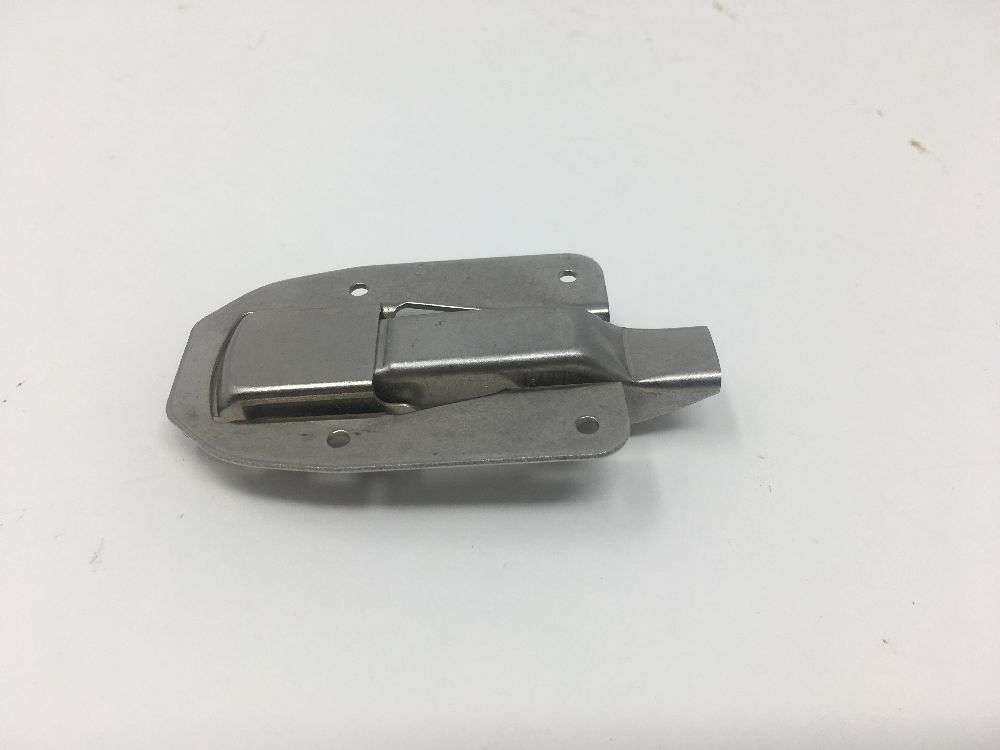
Proper closure of aircraft panels and compartments relies on engineered aircraft flush latch mechanisms that provide both security and a seamless surface. These components are designed to remain level with surrounding structures, enhancing aerodynamic efficiency on external surfaces while reducing hazards in interior areas. They play a crucial role in ensuring that panels, access doors, and service compartments stay firmly secured during flight.
Understanding the Function of Flush Latches
Aircraft flush latches are primarily responsible for preventing unintended panel movement under dynamic flight conditions. Vibration, acceleration forces, and pressure changes can exert significant stress on aircraft surfaces. Without reliable latching systems, panels could loosen or open, posing risks to both the aircraft and personnel. By combining secure holding with controlled accessibility, flush latches maintain structural integrity and operational safety.
Types of Aircraft Flush Latch Mechanisms
Several designs are commonly used depending on the location and function of the panel:
-
Over-center latches: Provide secure engagement and are resistant to vibration.
-
Cam-style latches: Rotate to lock and are used for heavier or frequently accessed panels.
-
Push-button latches: Offer quick-release operation while maintaining a flush profile.
Design selection considers panel size, access frequency, and safety requirements, ensuring optimal balance between usability and holding strength.
Materials and Engineering Considerations
Material choice is essential for durability and performance. Components are often constructed from lightweight metals, corrosion-resistant alloys, or engineered composites. These materials must withstand extreme temperatures, moisture exposure, and chemical contact without losing structural integrity. Surface finishes or protective coatings are applied to extend service life and maintain operational reliability.
Precision engineering ensures that flush latches operate consistently. Tight tolerances and alignment are necessary to achieve proper engagement, especially in recessed designs. Even small deviations can reduce holding force or cause premature wear, making meticulous design and manufacturing essential.
Human Factors and Ergonomics
Ergonomic considerations are critical to ensure safe and effective operation. Cabin or maintenance personnel often operate latches in tight spaces, low light, or under time constraints. Features such as tactile feedback, visual engagement indicators, and intuitive actuation help prevent improper closure and reduce the risk of operational errors. Ease of use is essential to maintain safety standards while supporting efficiency during routine inspections or emergency procedures.
Safety Standards and Regulatory Compliance
Flush latches must meet rigorous regulatory requirements. Aviation authorities evaluate performance under vibration, repeated usage, and emergency conditions. Certification testing ensures that panels remain secure under expected operational loads. Compliance with these standards is a cornerstone of aircraft safety, protecting both structural integrity and personnel during flight.
Maintenance and Inspection Practices
Routine maintenance is vital to sustain latch performance. Inspections focus on alignment, wear, corrosion, and proper locking functionality. Lubrication and cleaning are essential for recessed or high-use components to prevent debris accumulation or material degradation. Following maintenance schedules and replacement criteria ensures long-term reliability and prevents unexpected failures in-service.
Conclusion
Aircraft structural integrity and operational safety depend on well-engineered, durable, and properly maintained components. Flush latch systems integrate mechanical precision, material science, ergonomic design, and regulatory compliance to provide secure closure of panels and compartments throughout flight operations. Recognizing these factors highlights the critical role of aircraft flush latch in modern aviation design and maintenance practices.


 Leo Hanry