Health Care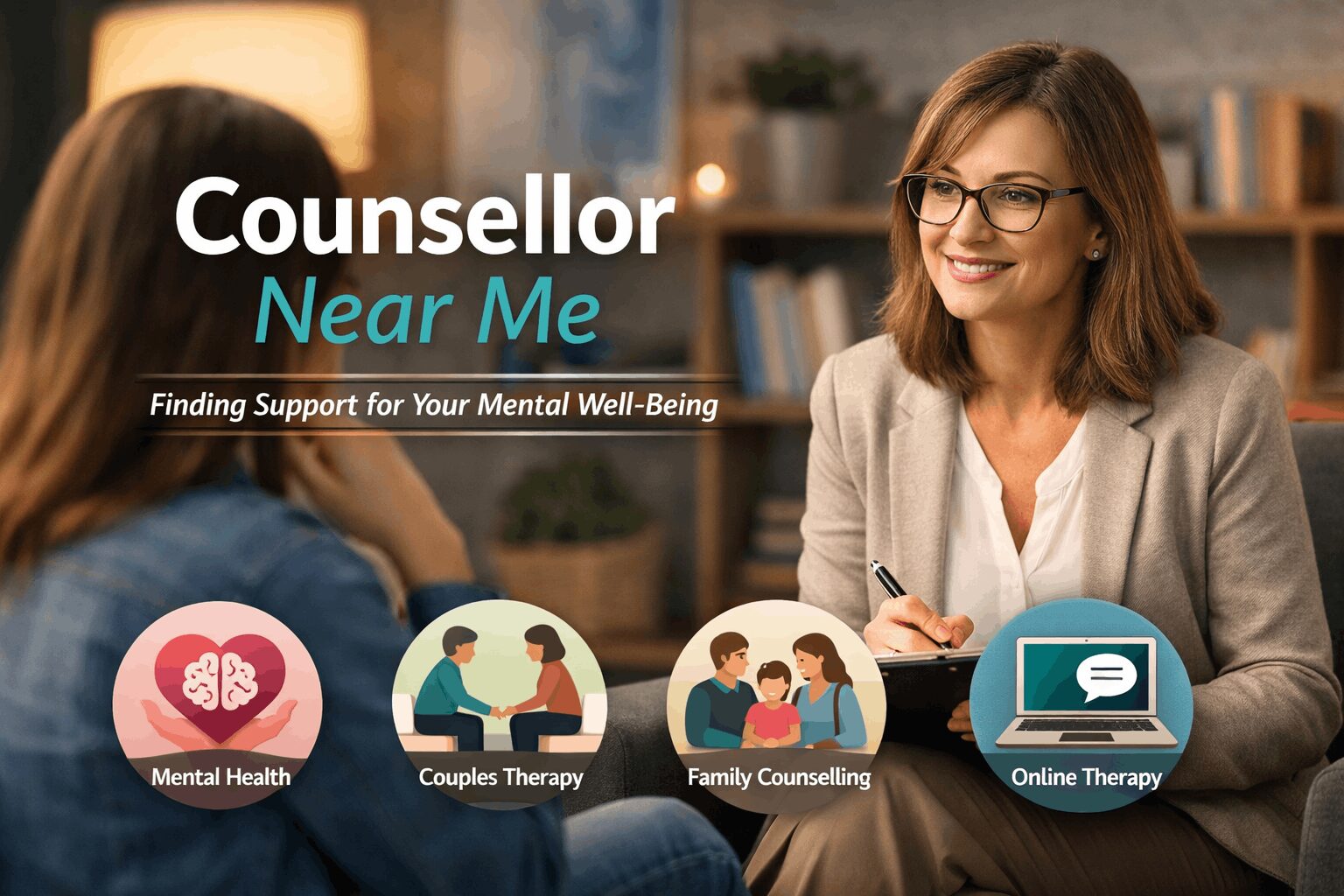
In today’s fast-paced world, mental health has become just as important as physical health. Whether you’re dealing with stress, anxiety, depression, relationship issues, or life transitions, seeking help from a counsellor can make a significant difference. If you’ve ever searched for a “counsellor near me,” you’re already taking the first step toward improving your emotional well-being.
What is a Counsellor?
A counsellor is a trained professional who helps individuals cope with emotional, psychological, and behavioural challenges. Through guided conversations and therapeutic techniques, counsellors help clients understand their thoughts, feelings, and behaviours, and develop healthier coping strategies.
Counsellors work with people of all ages and backgrounds. They may specialize in areas such as marriage counselling, family therapy, career guidance, addiction recovery, or mental health disorders like anxiety and depression.
Why You Might Need a Counsellor
There are many reasons why someone might seek counselling. Some of the most common include:
- Stress and Anxiety: Work pressure, academic challenges, or personal issues can lead to overwhelming stress.
- Depression: Persistent sadness, lack of motivation, or feelings of hopelessness.
- Relationship Issues: Conflicts with partners, family members, or friends.
- Life Transitions: Moving to a new city, changing jobs, or dealing with loss.
- Trauma and Grief: Coping with the aftermath of difficult experiences.
- Self-Development: Improving self-esteem, confidence, and decision-making skills.
Seeking help is not a sign of weakness—it’s a proactive step toward a healthier, happier life.
Benefits of Finding a Counsellor Near You
Searching for a “counsellor near me” has several advantages:
1. Convenience and Accessibility
Having a counsellor nearby makes it easier to attend regular sessions without the stress of long travel times. This consistency is crucial for effective therapy.
2. Familiar Environment
Local counsellors often understand the cultural, social, and environmental factors that may influence your mental health.
3. Emergency Support
In times of crisis, having a nearby professional can provide quicker access to help.
4. Flexible Options
Many local counsellors offer both in-person and online sessions, giving you flexibility based on your comfort level.
Types of Counselling Services Available
When searching for a counsellor near you, it’s important to know the different types of services available:
Individual Counselling
One-on-one sessions focusing on personal issues such as anxiety, depression, or self-esteem.
Couples Counselling
Designed to help partners improve communication, resolve conflicts, and strengthen their relationship.
Family Counselling
Addresses issues within the family unit, helping members understand each other better.
Career Counselling
Helps individuals make informed decisions about their professional paths.
Child and Adolescent Counselling
Specialized support for young individuals dealing with emotional, behavioral, or academic challenges.
How to Choose the Right Counsellor
Finding the right counsellor is essential for a successful therapeutic experience. Here are some key factors to consider:
1. Qualifications and Experience
Ensure the counsellor is licensed and has relevant experience in the area you need help with.
2. Specialization
Choose someone who specializes in your specific concern, whether it’s anxiety, relationships, or career issues.
3. Approach and Techniques
Different counsellors use different methods, such as cognitive-behavioral therapy (CBT), psychotherapy, or mindfulness-based approaches.
4. Comfort and Trust
You should feel comfortable and safe sharing your thoughts. A good counsellor will create a non-judgmental environment.
5. Reviews and Recommendations
Check online reviews or ask for recommendations from trusted sources.
What to Expect in Your First Session
Your first counselling session is usually an introductory meeting where the counsellor will:
- Ask about your concerns and goals
- Gather background information
- Explain their approach and methods
- Discuss confidentiality and session structure
This session helps both you and the counsellor determine if it’s the right fit.
Online vs. In-Person Counselling
With advancements in technology, counselling is no longer limited to physical offices. Here’s a quick comparison:
|
Aspect |
In-Person Counselling |
Online Counselling |
|
Interaction |
Face-to-face |
Video/audio/chat |
|
Convenience |
Requires travel |
Accessible from anywhere |
|
Comfort |
Professional setting |
Home environment |
|
Flexibility |
Fixed schedule |
More flexible timings |
Both options are effective—it depends on your personal preference and comfort level.
Breaking the Stigma Around Counselling
In many societies, mental health is still surrounded by stigma. People often hesitate to seek help due to fear of judgment or misunderstanding. However, awareness is growing, and more individuals are recognizing the importance of mental well-being.
Talking to a counsellor is a positive and empowering step. It shows that you value your mental health and are willing to invest in your personal growth.
Tips for Making the Most of Counselling
To get the best results from your counselling sessions:
- Be Honest: Open communication helps your counsellor understand you better.
- Stay Consistent: Regular sessions lead to better outcomes.
- Practice Techniques: Apply what you learn in your daily life.
- Be Patient: Progress takes time, and every journey is unique.
Conclusion
Searching for a “counsellor near me” is more than just finding a professional—it’s about taking a meaningful step toward healing and self-discovery. Whether you’re dealing with emotional struggles or simply looking to improve your mental well-being, a qualified counsellor can guide you on your journey.
Remember, you don’t have to face life’s challenges alone. Support is available, and help is closer than you think.