paul walkers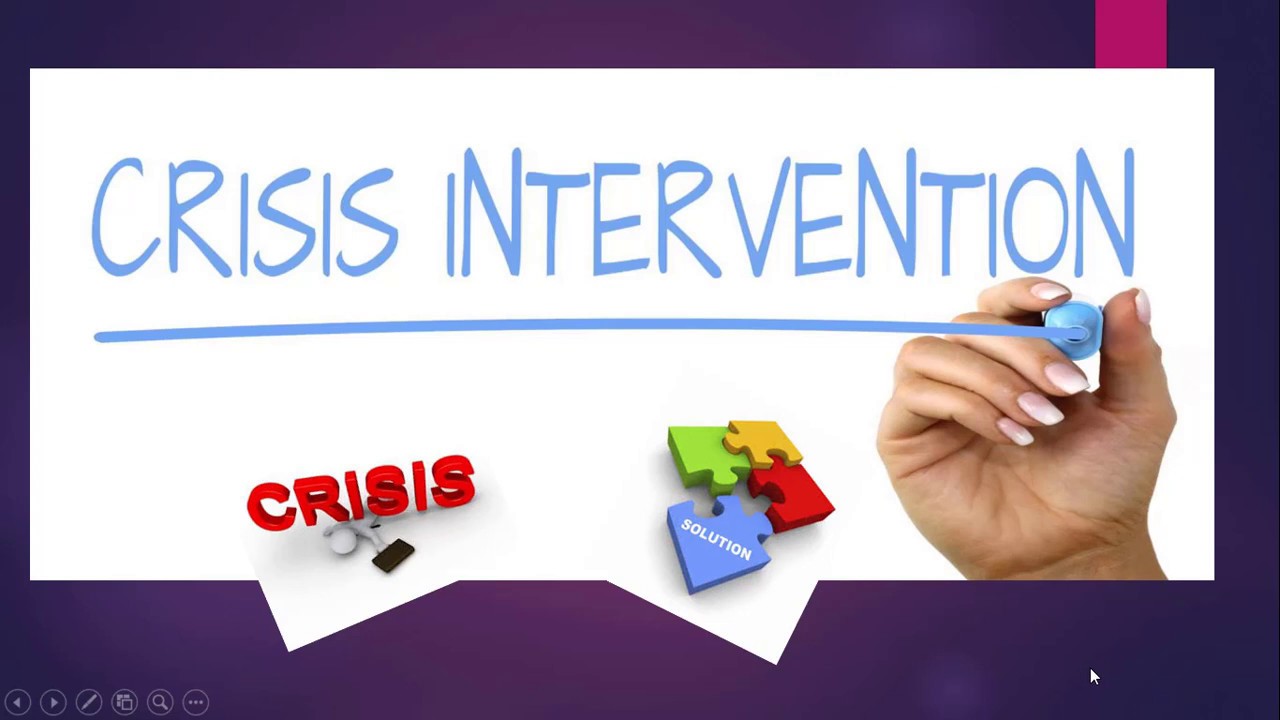
In today’s fast-paced healthcare settings, nurses are not only caregivers—they are frontline responders to emotional, psychological, and sometimes aggressive behaviors. From emergency rooms to psychiatric units, situations can escalate quickly. This is where CPI certification nursing becomes not just valuable, but essential.
Whether you’re a new nurse or a seasoned healthcare professional, understanding how to prevent and safely manage crisis situations can significantly impact patient outcomes, workplace safety, and your own confidence on the job.
What Is CPI Certification Nursing?
CPI certification nursing refers to specialized training in Crisis Prevention and Intervention (CPI) techniques tailored specifically for nurses and healthcare professionals. This training focuses on non-violent intervention strategies, helping nurses recognize early warning signs of agitation and respond effectively before situations escalate.
Also known as managing aggressive behavior training, CPI certification equips nurses with practical tools to:
- De-escalate tense situations
- Communicate effectively under pressure
- Ensure the safety of patients and staff
- Maintain professionalism during crises
In essence, it transforms reactive responses into proactive, controlled actions.
Why CPI Certification Matters for Nurses
Healthcare environments can be unpredictable. Patients may experience fear, pain, confusion, or mental health challenges—all of which can lead to aggressive or uncooperative behavior.
Here’s why CPI certification nursing is increasingly becoming a must-have:
1. Enhances Patient Safety
By learning early intervention techniques, nurses can prevent situations from becoming dangerous. This not only protects patients but also preserves their dignity and emotional well-being.
2. Reduces Workplace Injuries
According to healthcare safety reports, nurses face a higher risk of workplace violence than many other professions. CPI training teaches safe, non-harmful methods to manage physical aggression when necessary.
3. Builds Confidence and Control
When nurses know how to respond, they feel more in control—even in chaotic situations. This confidence directly improves decision-making and patient care.
4. Supports Professional Growth
CPI certification is widely recognized and often preferred by employers. It demonstrates a commitment to safety, professionalism, and continuous learning.
What You Learn in a CPI Certification Course
The Crisis Prevention & Intervention course offered by the American Crisis Prevention & Management Association (ACPMA) is designed to be both comprehensive and accessible.
Here’s what participants typically gain:
Understanding Human Behavior
You’ll learn how to identify the stages of escalating behavior—from anxiety to aggression—and how to respond appropriately at each stage.
Verbal De-escalation Techniques
Communication is key. The course teaches how tone, body language, and word choice can calm a situation rather than intensify it.
Non-Violent Physical Intervention
In rare cases where physical intervention is necessary, CPI training emphasizes safe, respectful, and non-harmful techniques.
Crisis Response Strategies
Participants learn structured approaches to handle emergencies while maintaining safety and professionalism.
Post-Incident Support
Equally important is what happens after a crisis. The training covers documentation, emotional recovery, and continuous improvement.
Flexible Learning: Online or In the Classroom
One of the standout features of ACPMA’s CPI certification nursing program is its flexibility.
Online Training
- Learn at your own pace
- Ideal for busy nurses with tight schedules
- Accessible from anywhere
Classroom Training
- Hands-on practice with instructors
- Real-time feedback
- Collaborative learning environment
This flexibility ensures that every nurse—regardless of their schedule or location—can access high-quality training.
Accreditation and CE Credits
ACPMA’s Crisis Prevention & Intervention course is not only practical but also professionally recognized.
- Approved for CE credits with the BVNPT & BRN
- Meets federal regulations
- Accepted nationwide
For nurses, this means your time spent training contributes directly to your professional development and licensing requirements.
Who Should Take CPI Certification Nursing?
While this training is essential for nurses, it also extends to a wide range of professionals, including:
- Doctors and healthcare staff
- Mental health professionals
- Teachers and school staff
- Law enforcement officers
- Social workers
However, for nurses specifically, the benefits are uniquely impactful due to their direct and frequent patient interactions.
Real-World Impact: A Day in the Life of a CPI-Certified Nurse
Imagine a nurse working in a busy emergency department. A patient arrives in distress, confused and agitated. Without proper training, the situation could quickly escalate.
But with CPI certification nursing, the nurse:
- Recognizes early signs of agitation
- Uses calm, controlled communication
- Maintains a safe distance and non-threatening posture
- De-escalates the situation before it turns physical
The result? A safer environment, a calmer patient, and a more confident nurse.
Why Choose ACPMA for CPI Certification?
The American Crisis Prevention & Management Association (ACPMA) stands out for several reasons:
Student-Friendly Approach
The course is designed with learners in mind—simple, clear, and easy to follow without sacrificing depth.
National Recognition
Accepted across the United States, making it a valuable addition to any nurse’s credentials.
Practical, Real-World Focus
Rather than just theory, ACPMA emphasizes actionable skills you can use immediately.
Flexible Learning Options
Online or in-person, the choice is yours.
The Growing Demand for CPI-Certified Nurses
As healthcare systems continue to evolve, the demand for nurses with crisis management skills is rising. Hospitals and healthcare facilities are prioritizing staff who can handle high-pressure situations with professionalism and care.
In fact, many employers now require or strongly prefer CPI certification for roles involving patient interaction—especially in high-risk environments.
Final Thoughts: The Future of Nursing and Crisis Preparedness
The role of a nurse is no longer limited to clinical care—it now includes emotional intelligence, conflict resolution, and crisis management. CPI certification nursing sits at the intersection of all these skills, making it an indispensable tool for modern healthcare professionals.
As patient needs become more complex and healthcare environments more demanding, one question becomes increasingly important:
Are we preparing nurses not just to treat illness—but to manage the human behaviors that come with it?
Investing in CPI certification is more than just career advancement—it’s a commitment to safer healthcare environments, better patient outcomes, and a more resilient nursing workforce.
The future of nursing depends not only on medical expertise but on the ability to navigate crises with empathy, skill, and confidence. And that journey begins with the right training.


 Ammar Saleem
 Oliver Smith