Cultivating a Greener Tomorrow: The Essential Role of the Modern Farm Fuel Supplier

The UK agricultural landscape is undergoing a profound transformation. For decades, the rhythmic hum of diesel engines has been the heartbeat of the countryside, powering the heavy machinery required to feed a growing population. However, as the global focus shifts toward sustainability and carbon reduction, the role of a traditional farm fuel supplier is evolving. It is no longer just about delivering a product; it is about providing the energy solutions that will sustain the next gen of farmers. Central to this shift is the rise of renewable alternatives, specifically Hydrotreated Vegetable Oil, which is rapidly becoming the gold standard for those looking to decarbonize without sacrificing power or productivity.

The Backbone of Agricultural Productivity
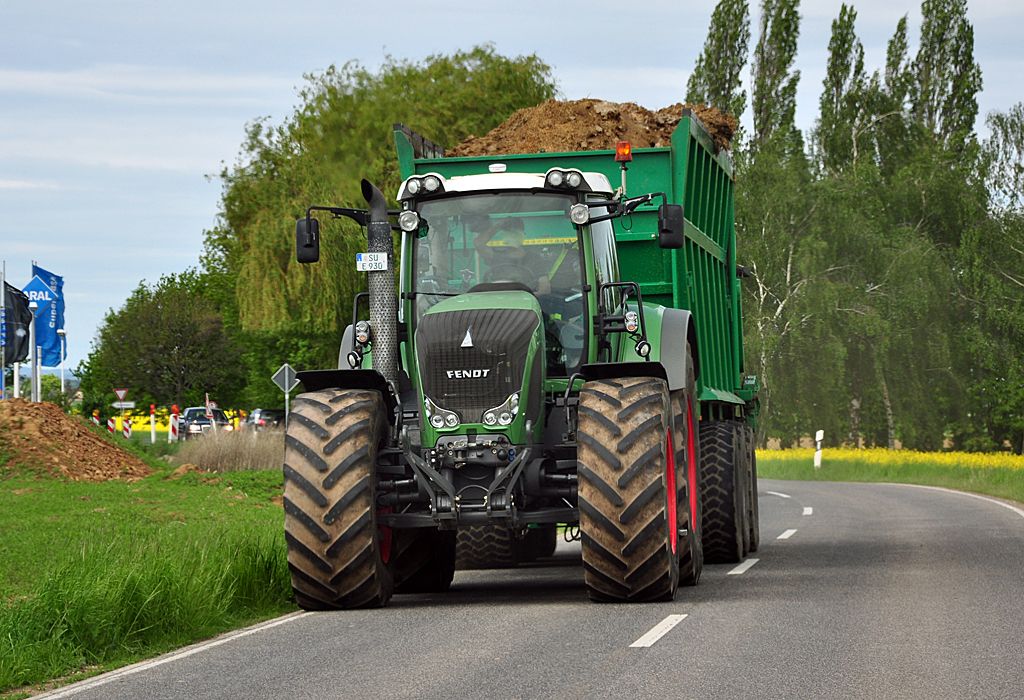
A reliable fuel supply is the lifeblood of any successful farm. From the early morning start of a tractor to the late-night operation of a combine harvester during peak season, fuel is the invisible force that ensures timelines are met and crops are secured. Because agriculture operates on such a tight, weather-dependent schedule, even a minor disruption in supply can lead to significant financial losses. This is why the relationship between a farmer and their supplier is built on trust and reliability. A modern supplier must offer more than just bulk deliveries; they must provide tailored logistics, on-site storage solutions, and high-quality products that protect expensive machinery from the internal damage often caused by poor-grade fuels or contaminants.

The Rise of Sustainable Energy in the Field

As environmental regulations tighten and consumer demand for sustainably sourced produce grows, farmers are under increasing pressure to reduce their carbon footprint. This has led many to seek out HVO fuel suppliers as part of their long-term operational strategy. Unlike traditional biodiesel, which can sometimes lead to engine issues like “diesel bug” or poor performance in cold weather, HVO is a high-quality paraffinic diesel. It offers a way for agricultural businesses to reduce their net greenhouse gas emissions by up to 90%. For a sector that is inherently tied to the land, the transition to a cleaner-burning fuel is a natural progression toward environmental stewardship.

Understanding the HVO Advantage for Farmers
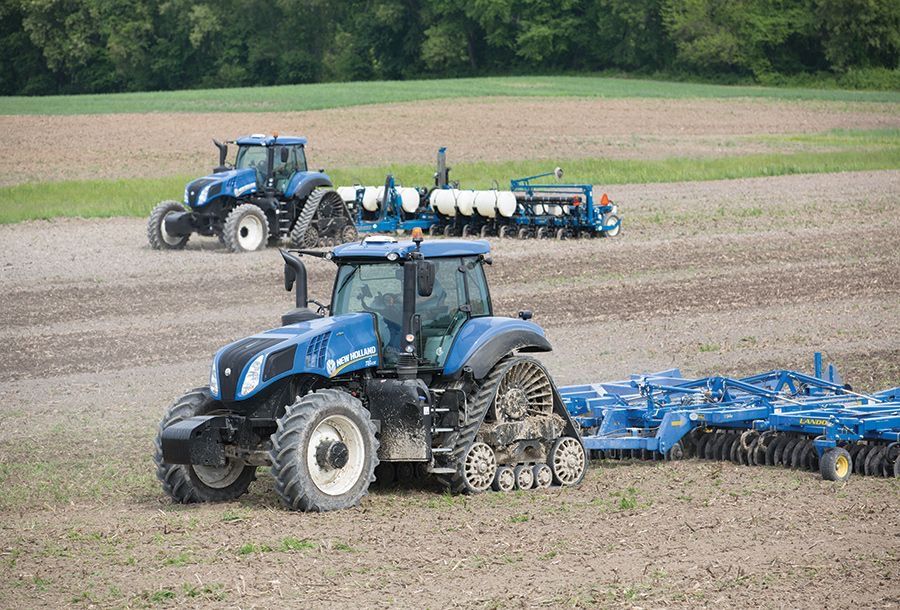
One of the most significant barriers to adopting new technology on a farm is the high cost of equipment upgrades. This is where HVO truly shines. It is a “drop-in” replacement, says it can be used in existing engines without any mechanical modifications. Many leading agricultural machinery manufacturers have already approved its use across their fleets. Beyond the environmental benefits, HVO offers superior storage stability—lasting up to ten years without degrading—and performs exceptionally well in freezing temperatures. For UK farmers, this means they can continue to use their trusted tractors and harvesters while immediately cutting their emissions and ensuring their machinery starts reliably on the coldest winter mornings.

Navigating the Selection of Renewable Partners

As demand for greener energy grows, the number of hydrogen fuel suppliers in the market has expanded. However, not all renewable fuels are created equal. Agricultural businesses need to partner with suppliers who can prove the provenance of their product. Reputable suppliers often hold certifications like the International Sustainability and Carbon Certification, which ensures that the farm fuel is made from waste materials such as used cooking oil or animal fats, rather than virgin crops that compete with food production. Choosing a partner who prioritises transparency and adheres to strict quality standards is essential for maintaining the longevity of farm equipment and the integrity of a farm’s sustainability claims.

Future-Proofing the Farm through Strategic Supply

The transition to renewable fuels is a journey rather than an overnight event. A forward-thinking farm fuel supplier assists in this transition by offering blended options or helping to manage the logistics of moving away from traditional red diesel. By investing in cleaner fuel sources today, farmers are not only protecting their local environment but also future-proofing their businesses against future carbon taxes and changing legislation. As the infrastructure for renewable diesel continues to improve, the accessibility and cost-effectiveness of these fuels are expected to stabilise, making the choice to switch both an ethical and a smart economic decision.

A Shared Commitment to the Land

Ultimately, the partnership between a farm and its fuel provider is about more than just a transaction; it is a shared commitment to keeping the industry moving forward. Whether it is through the traditional delivery of high-quality diesel or the pioneering move toward HVO, the goal remains the same: to power the world with efficiency and care. As the UK agricultural sector continues to innovate, the role of the fuel supplier will remain pivotal, ensuring that the wheels of the farm keep turning with the cleanest, most reliable energy available. Through collaboration and a focus on sustainable solutions, the future of farming looks both productive and remarkably green.


Related Posts

Waste Management Market to Benefit from Technological Advancements in Waste Processing

The global waste management market plays a crucial role in maintaining environmental sustainability, public health, and efficient resource utilization. Waste management involves the systematic collection, transportation, treatment, recycling, and disposal of waste materials generated from households, industries, healthcare facilities, and electronic products. As urbanization and industrialization continue to expand worldwide, the volume of waste generated has increased significantly, creating the need for efficient waste management systems and infrastructure. According to industry analysis, the global waste management market size was recorded at USD 449.81 billion in 2023. The market is estimated to grow to USD 465.78 billion in 2024 and is projected to reach approximately USD 657.55 billion by 2031, registering a compound annual growth rate (CAGR) of 5.05% during the forecast period of 2024 to 2031. The steady growth of the waste management industry is largely driven by the increasing generation of municipal, industrial, and electronic waste. Rapid urban population growth, rising consumption of packaged goods, and shorter product life cycles have led to higher waste generation globally. Governments and private organizations are increasingly investing in advanced waste management technologies and recycling infrastructure to address environmental challenges and promote sustainable waste disposal practices. Additionally, the rising focus on circular economy practices and resource recovery is encouraging companies and municipalities to adopt innovative waste processing solutions such as recycling, composting, and waste-to-energy technologies. Get the Full Detailed Insights Report: https://www.kingsresearch.com/waste-management-market-720 Market Overview Waste management is a critical component of modern infrastructure, as improper waste disposal can lead to environmental pollution, health risks, and climate change impacts. Efficient waste management systems help reduce landfill use, recover valuable materials, and minimize greenhouse gas emissions. The increasing emphasis on sustainability and environmental protection has encouraged governments worldwide to implement strict regulations and policies related to waste disposal and recycling. Initiatives such as landfill taxes, recycling targets, and extended producer responsibility (EPR) programs are compelling industries to adopt environmentally friendly waste management practices. Furthermore, technological advancements in waste processing and digital waste management systems are improving operational efficiency. Smart waste collection systems, automated sorting technologies, and AI-based waste tracking solutions are helping municipalities optimize waste management processes and reduce operational costs. The rising awareness among consumers regarding environmental conservation has also played a significant role in promoting waste reduction and recycling initiatives, contributing to the growth of the waste management market. Market Growth Drivers Increasing Urbanization and Population Growth One of the primary factors driving the growth of the waste management market is the rapid increase in global population and urbanization. As urban populations expand, the volume of municipal solid waste generated from residential and commercial areas continues to rise. Cities require well-organized waste collection, transportation, and disposal systems to maintain sanitation and prevent environmental contamination. Urbanization has also led to increased consumption of packaged goods, plastic products, and electronic devices, which contributes to higher waste generation rates. Governments are therefore investing heavily in modern waste treatment and recycling facilities to manage this growing waste burden effectively. Expansion of Industrial Activities Industrial development across emerging economies has significantly increased the generation of industrial waste. Manufacturing, mining, chemical processing, and construction activities produce large volumes of waste materials that require specialized treatment and disposal. Industrial waste management services are becoming increasingly important as industries face strict environmental regulations regarding hazardous waste disposal. Companies are adopting sustainable waste management practices such as recycling, resource recovery, and waste minimization to comply with regulatory requirements and reduce environmental impact. Growing Environmental Awareness Increasing global awareness about environmental sustainability is another major factor contributing to the expansion of the waste management market. Governments, organizations, and individuals are increasingly adopting practices aimed at reducing pollution and promoting recycling. The transition toward a circular economy—where waste materials are reused, recycled, and converted into valuable resources—is gaining momentum worldwide. Waste management companies are focusing on advanced recycling technologies to recover materials such as metals, plastics, and electronic components. Rising E-Waste Generation The rapid adoption of electronic devices such as smartphones, laptops, and consumer electronics has significantly increased electronic waste (e-waste) generation worldwide. E-waste contains hazardous substances such as heavy metals, which require proper treatment and recycling to prevent environmental damage.…

How Tensile Testing Machine Manufacturers Improve Quality Control in Industries

In today’s competitive industrial environment, maintaining consistent product quality is essential for success. Manufacturers across sectors such as construction, automotive, aerospace, plastic, and metal industries must ensure that their materials…

Leave a Reply

Your email address will not be published. Required fields are marked *

You Missed

Efficient Road Freight Services Cameroon for Reliable Trade

Efficient Road Freight Services Cameroon for Reliable Trade

Specialist Ovarian Cancer vs Gynecologist: Which one should visit first?

Specialist Ovarian Cancer vs Gynecologist: Which one should visit first?

A to Z Moving & Storage, Inc. – Top Moving Company Massachussets

A to Z Moving & Storage, Inc. – Top Moving Company Massachussets

Complete Guide to Employee Payroll Management Saudi Arabia

Complete Guide to Employee Payroll Management Saudi Arabia

Waste Management Market to Benefit from Technological Advancements in Waste Processing

Waste Management Market to Benefit from Technological Advancements in Waste Processing

How Malaysians Are Using Stock Secured Loans to Unlock Liquidity

How Malaysians Are Using Stock Secured Loans to Unlock Liquidity