The Searching Souls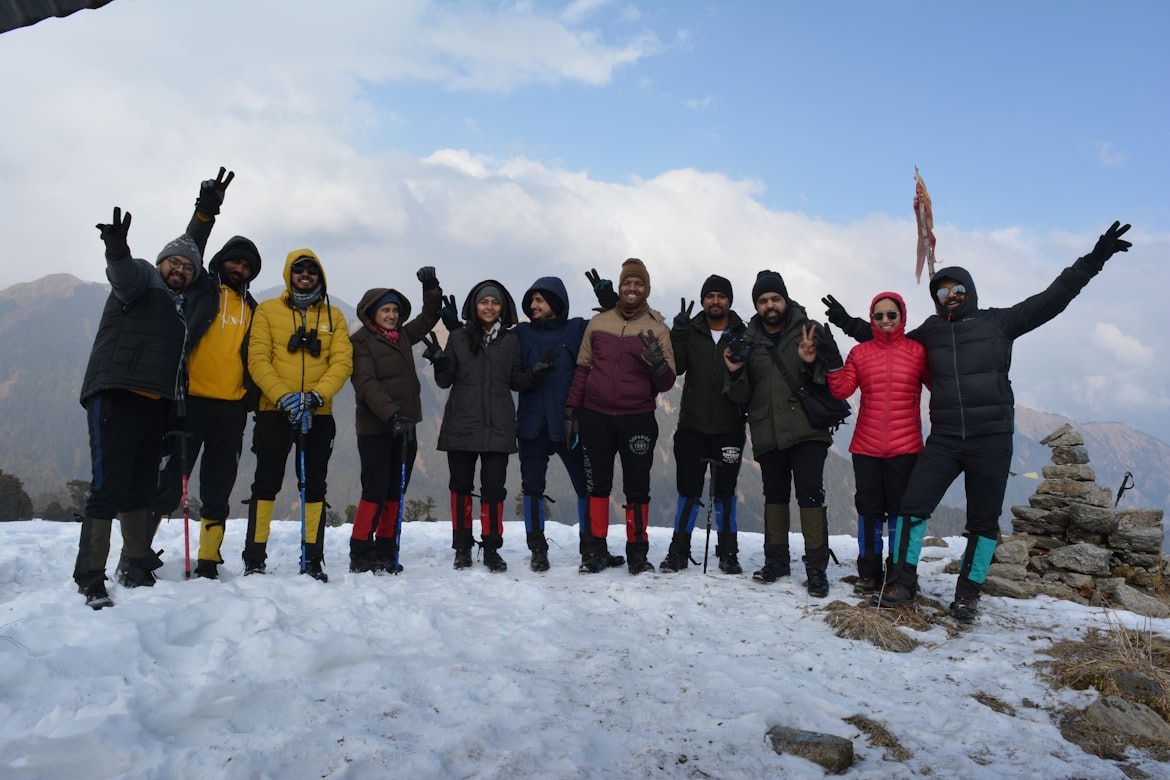
I’ll keep this simple and honest. If you want a Himalayan trek that doesn’t exhaust you but still gives you those wide, cinematic mountain views, Dayara Bugyal is a solid choice. I’ve done tougher treks and quieter ones, but Dayara sits in a sweet spot—easy enough for beginners, rewarding enough for people who’ve trekked before.
This guide is written the way I’d explain it to a friend planning the trek from Dehradun, without fluff, without trying to sell you anything.
Where Dayara Bugyal Is and Why It’s Worth Your Time
Dayara Bugyal is in Uttarkashi district, Uttarakhand, at an altitude of about 11,800 feet. The word “Bugyal” means alpine meadow, and Dayara is massive—rolling grasslands that stretch out like a green ocean in summer and turn snow-white in winter.
The reason people love this trek isn’t technical difficulty. It’s the feeling of openness. From the top, you see peaks like Bandarpunch, Kala Nag, and surrounding Himalayan ranges without struggling for every step. It’s peaceful, spacious, and surprisingly uncrowded compared to popular treks.
How I Reached Dayara Bugyal from Dehradun
The journey starts in Dehradun, which is well-connected by train, flight, and road.
From Dehradun, the drive goes like this:
-
Dehradun → Uttarkashi (about 8–9 hours)
-
Uttarkashi → Raithal village (around 30 km, 1.5 hours)
Raithal is the base village for the trek. It’s clean, quiet, and still feels like a real mountain village—not a tourist hub. I stayed overnight there before starting the trek.
Some people try to rush this part. I wouldn’t recommend it. A relaxed start helps with acclimatization and sets the tone for the trek.
Trek Route and What the Days Look Like
The Dayara Bugyal trek usually takes 4–5 days, depending on pace and weather.
Day 1: Raithal to Gui Campsite
This is where the walking begins. The trail goes through oak and rhododendron forests, with gradual ascents. It’s not steep, but it’s steady. Gui campsite sits in a clearing surrounded by trees, and it’s one of the calmest camps I’ve stayed at. Nights are cold but quiet.
Day 2: Gui to Dayara Bugyal
This is the best day of the trek. The forest opens up, and suddenly you’re walking on vast meadows. No trees, no shade—just grass, sky, and mountains. This stretch doesn’t feel tiring because you keep stopping to look around. The views from Dayara Bugyal are the reason you came.
Day 3: Exploration and Return
Most itineraries include a morning exploration walk toward Bakaria Top, then the descent begins. Going down is quicker but requires careful footing, especially if there’s snow.
Best Time to Do This Trek (From Experience)
-
April to June: Green meadows, flowers, clear skies
-
September to November: Crisp air, golden grass, excellent mountain views
-
December to February: Snow trek (only if you’re prepared for cold)
If I had to pick one season for first-timers, I’d say May or October. Weather is stable, and the landscape looks its best.
Difficulty Level: Who Is This Trek For?
I’d rate Dayara Bugyal as easy to moderate.
You don’t need prior trekking experience, but:
-
You should be able to walk for five to six hours every day.
-
Basic fitness helps
-
Cold tolerance matters, especially at night
This trek works well for:
-
Beginners
-
Solo travelers
-
Families with older kids
-
People who want a relaxed Himalayan experience
What to Pack (Only What Matters)
I won’t list everything, just the essentials:
-
Good trekking shoes (this matters more than anything)
-
Warm layers (even in summer)
-
Rain jacket
-
Reusable water bottle
-
Basic medicines and sunscreen
Overpacking is common here. You really don’t need much beyond the basics.
Going With or Without a Trek Organizer
You can do Dayara Bugyal independently if you’re experienced with routes, weather, and logistics. But for most people, especially first-timers, going with an organized group makes things simpler and safer.
On my Dayara Bugyal trek, I went with The Searching Souls. I’m mentioning them because the experience felt genuine—not rushed, not commercial. The trek leaders knew the route well, the pace was comfortable, and there was no pressure to “perform” like you sometimes feel in large trekking groups. It felt more like traveling with people who actually care about the mountains.
This isn’t a promotion—just a reference for those who prefer guided treks without the touristy feel.
Food, Water, and Accommodation
Food on the trek is simple but filling—dal, rice, roti, vegetables, porridge, tea. Nothing fancy, but exactly what your body needs at altitude.
Accommodation is usually:
-
Homestays in Raithal
-
Tents at campsites
Everything is basic, clean, and functional. If you’re expecting luxury, this isn’t the trek for that—and honestly, that’s part of the charm.
Things People Don’t Tell You About Dayara Bugyal
-
The meadows are much bigger than photos suggest
-
Weather can change fast—clear skies to clouds in minutes
-
The silence up there is real and noticeable
-
Network connectivity is almost nonexistent (which is a good thing)
Final Thoughts
Dayara Bugyal isn’t about ticking off a difficult trek or chasing adrenaline. It’s about walking slowly, breathing clean air, and letting the mountains do their thing. If you want a trek that feels rewarding without being overwhelming, this one fits perfectly.
Start from Dehradun, give yourself enough time, and don’t rush the experience. That’s how Dayara Bugyal stays with you long after you’ve come back.


 Mr. Cabby Cab service
 Alexis Alston