compare autoin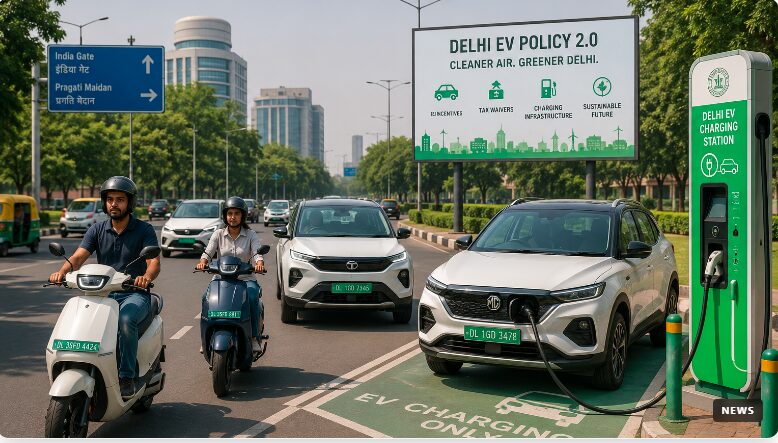
Delhi has released its draft Electric Vehicle Policy 2026-2030, commonly called Delhi EV Policy 2.0, and it could change how people buy two-wheelers, cars and commercial vehicles in the capital. The draft was released by the Delhi Transport Department EV Cell on April 11, 2026, and will apply after official notification. Its larger goal is to reduce vehicle pollution, push clean mobility and make Delhi a stronger EV market before March 31, 2030.
Key Incentives for Buyers
- ✓Electric Two-Wheelers:Support for EVs priced up to Rs 2.25 lakh. In the first year, buyers may get Rs 10,000 per kWh, capped at Rs 30,000. (Reduces in subsequent years).
- ✓Electric Three-Wheelers:Rs 50,000 support in the first year, followed by Rs 40,000 and Rs 30,000 in the next two years.
- ✓Commercial EVs:N1 category electric goods vehicles may get up to Rs 1 lakh incentive in the first year, reducing to Rs 75,000 and Rs 50,000 in subsequent years.
The Rs 1 Lakh Scrappage Benefit
The widely discussed Rs 1 lakh benefit is not for every EV buyer. Private electric car buyers can get a Rs 1 lakh scrappage incentive if they buy an EV priced up to Rs 30 lakh and scrap an old Delhi-registered BS-IV or older car through an authorised scrapping facility. This is limited to eligible applicants and conditions.
100% Road Tax & Registration Waiver
Electric cars (up to Rs 30 lakh): Full exemption till March 31, 2030.
Strong hybrid cars (up to Rs 30 lakh): 50% waiver.
Note: EVs above Rs 30 lakh are not expected to get this waiver under the draft.
2028: The End of New Petrol Two-Wheelers?
The boldest proposal is the registration shift. From April 1, 2028, Delhi may allow only electric two-wheelers for new registration. Existing petrol two-wheelers are not being removed immediately, but new petrol two-wheeler registrations could stop if the rule is finalised. For L5 three-wheelers, the EV-only registration rule is proposed from January 1, 2027.
Fleet operators, delivery companies and aggregators will also need to watch the policy closely. The draft pushes faster electrification for commercial fleets and discourages adding new petrol or diesel vehicles in key categories.
Delhi EV Policy 2.0 is more than a subsidy plan. It combines incentives, tax savings, scrappage support and strict future registration rules. EV buyers in Delhi should track the final notification because the draft could lower ownership costs, especially for electric two-wheelers, electric cars under Rs 30 lakh and commercial EVs. However, the real success will depend on charging access, model availability and how smoothly the final rules are implemented.


 satyam harishchan
 rahul rahul