Care With Passion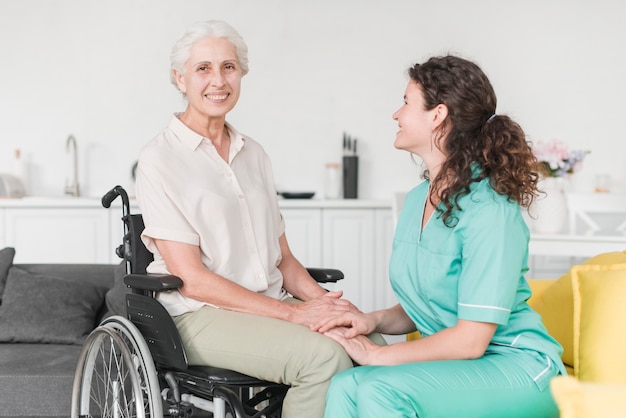
Creating a safe living space is one of the most important steps in supporting aging adults at home. As mobility changes and balance becomes less stable, even familiar spaces can present risks. Families are increasingly turning to structured home care solutions to make homes safer without reducing independence. Alongside safety upgrades, services like companion care provide daily supervision and support. Together, these approaches help reduce falls, prevent injuries, and give seniors the confidence to move around their homes comfortably.
Understanding Fall and Injury Risks in Seniors
Falls are one of the leading causes of injury among older adults. Even a minor fall can lead to fractures, hospital stays, or long recovery periods.
Aging affects muscle strength, vision, and coordination. Health conditions and medications can also impact balance. Without preventive steps, everyday movements such as walking to the bathroom or climbing stairs can become hazardous.
Modern home care solutions focus on identifying these risks early and making practical changes.
Home Safety Assessments
A professional home safety assessment is often the first step in fall prevention planning.
Identifying Hazard Zones
Care providers evaluate high-risk areas such as bathrooms, stairways, kitchens, and entryways. Slippery floors, loose rugs, and poor lighting are common concerns.
Personalized Safety Planning
Each senior has different mobility levels. Safety recommendations are tailored as part of broader home care solutions designed for individual needs.
Bathroom Safety Modifications
Bathrooms are one of the most common locations for falls.
Installing Grab Bars
Grab bars near toilets and inside showers provide stability when sitting or standing.
Non-Slip Surfaces
Anti-slip mats and textured flooring reduce the risk of slipping on wet surfaces.
Shower Seating
Shower chairs allow seniors to bathe safely without standing for long periods.
Caregivers providing companion care often assist by ensuring these safety tools are used correctly.
Improving Lighting Throughout the Home
Poor visibility increases fall risk, especially at night.
Hallway and Stair Lighting
Bright, consistent lighting makes movement safer.
Motion-Sensor Lights
Automatic lights activate when seniors walk through dark areas, reducing nighttime hazards.
Lighting upgrades are simple but highly effective components of home care solutions.
Flooring and Walkway Safety
Uneven surfaces are a major cause of trips and falls.
Removing Loose Rugs
Rugs that slide or curl at the edges should be removed or secured.
Clutter-Free Pathways
Clear walkways allow safer movement, especially for seniors using walkers or canes.
Caregivers involved in companion care often help maintain tidy, hazard-free spaces daily.
Staircase Safety Measures
Stairs require special attention in fall prevention planning.
Secure Handrails
Strong handrails on both sides provide balance support.
Anti-Slip Treads
Textured stair coverings reduce slipping risks.
Rest Points
For seniors with limited stamina, rest areas near staircases improve safety.
These adjustments are commonly recommended within comprehensive home care solutions.
Bedroom Safety Enhancements
Bedrooms should promote both comfort and easy mobility.
Bed Height Adjustments
Beds that are too high or too low increase fall risk. Proper height allows safe entry and exit.
Nightstands Within Reach
Keeping essentials nearby reduces unnecessary nighttime movement.
Emergency Alert Access
Having alert buttons near the bed adds an extra layer of security.
The Role of Companion Care in Fall Prevention
While home modifications reduce hazards, human supervision adds real-time protection.
Mobility Assistance
Caregivers help seniors move safely, especially after illness or surgery.
Monitoring Daily Movement
Changes in walking patterns or balance are noticed early through companion care support.
Encouraging Safe Habits
Caregivers remind seniors to use handrails, wear proper footwear, and avoid rushing.
Technology and Fall Detection
Technology is now part of many fall prevention plans.
Wearable Alert Devices
Seniors can call for help instantly if they fall.
Motion Sensors
Sensors detect unusual inactivity and alert caregivers or family members.
These tools enhance modern home care solutions by adding quick response capabilities.
Family Involvement in Home Safety
Families play a key role in maintaining safe environments.
Regular Safety Reviews
Homes should be reassessed as mobility changes.
Supporting Safety Upgrades
Family members often coordinate installations and repairs.
Working alongside companion care providers ensures consistent safety practices.
Emotional Impact of Safe Living Spaces
Safety is not just physical — it also affects emotional wellbeing.
Confidence in Movement
Seniors feel more secure walking in modified spaces.
Reduced Anxiety
Knowing help is nearby lowers fear of falling.
This emotional reassurance is one reason families combine safety planning with home care solutions.
Conclusion
Designing a safe home environment is essential for protecting aging adults from falls and injuries. Through thoughtful modifications, routine monitoring, and supportive supervision, risks can be greatly reduced. Combining professional safety planning with attentive companion care creates a protective daily environment. When integrated into reliable home care solutions, these efforts allow seniors to live independently while staying safe, confident, and comfortable in the place they call home.


 Christina Wood
 Botox Dubai