Rohit Verma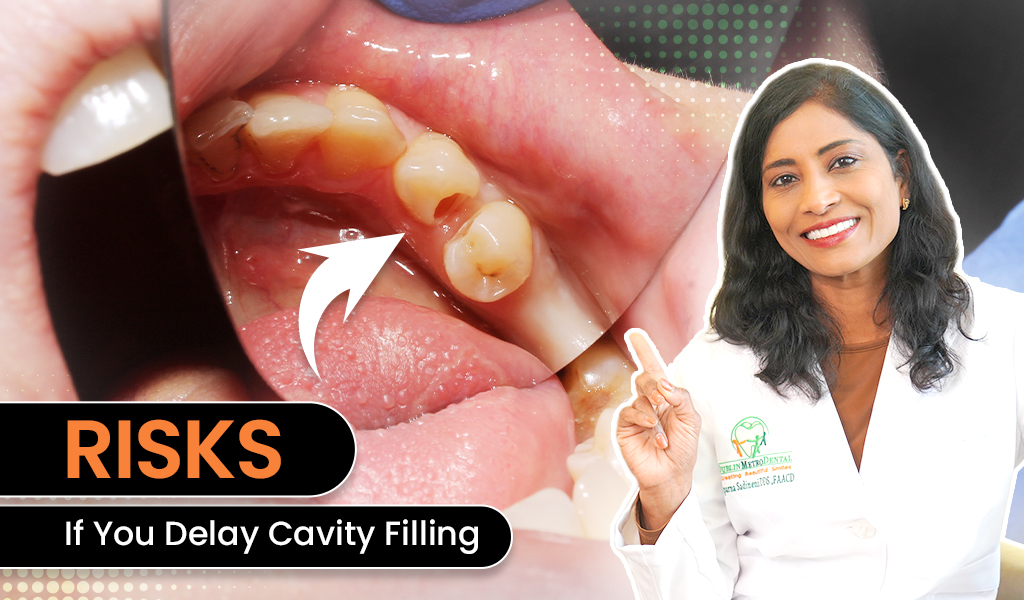
Hearing that you need a cavity filling can make you feel nervous, especially if you’re worried about pain during the procedure. Many patients delay treatment because they fear discomfort, but modern dentistry has made cavity fillings far more comfortable than they were in the past. With advanced techniques, effective local anesthesia, and improved filling materials, most people experience little to no pain during the treatment.
Understanding what happens before, during, and after a cavity filling can help ease anxiety and make the experience much less stressful. Knowing what to expect also encourages patients to treat cavities early, preventing more serious dental problems in the future.
What Is a Cavity Filling?
A cavity filling is a restorative dental treatment used to repair a tooth damaged by decay. After removing the decayed portion of the tooth, the dentist fills the space with a durable material that restores the tooth’s shape, strength, and function.
Common filling materials include:
- Tooth-colored composite resin
- Ceramic materials
- Glass ionomer
- Dental amalgam (silver fillings)
Today, many patients prefer tooth-colored fillings because they blend naturally with surrounding teeth while providing excellent durability.
Does Getting a Filling Hurt?
The simple answer is that most patients do not experience pain during the procedure.
Before beginning treatment, the dentist usually numbs the area with a local anesthetic. Once the tooth is numb, you may feel slight pressure or vibration during the procedure, but you should not feel pain.
Many patients are surprised by how comfortable modern cavity filling procedures are.
What Happens Before the Procedure?
Your appointment begins with a dental examination.
The dentist may:
- Examine the affected tooth
- Take digital X-rays if necessary
- Determine the size and location of the cavity
- Discuss the recommended filling material
If the cavity requires treatment, local anesthesia is typically administered to ensure your comfort.
During the Numbing Process
One of the biggest concerns for many patients is the anesthetic injection.
Before the injection, a numbing gel is often applied to the gums to reduce discomfort. Most patients feel only a brief pinch or slight pressure that lasts a few seconds.
Within a short time, the treated area becomes numb, allowing the procedure to begin comfortably.
During the Filling Procedure
Once the tooth is numb, the dentist carefully removes the decayed portion while preserving as much healthy tooth structure as possible.
The tooth is then cleaned to eliminate bacteria and prepare it for the filling material.
For tooth-colored fillings, the composite resin is applied in layers and hardened using a special curing light. The filling is then shaped and polished to match your natural bite.
Throughout the procedure, patients may notice:
- Gentle pressure
- Mild vibration
- Water spray
- Suction sounds
These sensations are normal and should not be painful.
How Long Does a Filling Take?
The length of the appointment depends on the size and number of cavities being treated.
Many routine fillings can be completed in less than an hour.
More extensive restorations may require additional time, especially if multiple teeth are involved.
Will There Be Pain After the Filling?
Once the anesthesia wears off, it is common to experience mild sensitivity for a short period.
Some patients notice temporary sensitivity to:
- Hot foods
- Cold drinks
- Sweet foods
- Biting pressure
This sensitivity usually improves as the tooth adjusts to the new filling.
If discomfort persists or becomes severe, it is important to contact your dentist.
Tips for a Comfortable Recovery
Most patients return to normal daily activities immediately after receiving a filling.
To help your tooth recover comfortably:
- Wait until numbness wears off before eating.
- Avoid chewing hard foods on the treated tooth for the first day if recommended.
- Brush and floss gently around the filling.
- Follow your dentist’s aftercare instructions.
Maintaining good oral hygiene supports proper healing and helps protect the restored tooth.
Why You Shouldn’t Delay a Filling
Small cavities are generally easier and quicker to treat than large ones.
Ignoring tooth decay can allow it to progress deeper into the tooth, increasing the risk of:
- Severe pain
- Infection
- Root canal treatment
- Dental crowns
- Tooth loss
Early treatment is often the simplest and most comfortable solution.
Benefits of Modern Tooth-Colored Fillings
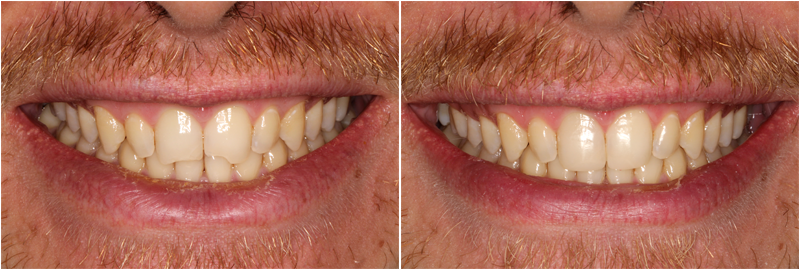
Many patients choose composite fillings because they offer both functional and cosmetic advantages.
Benefits include:
- Natural appearance
- Strong bond with the tooth
- Preservation of healthy tooth structure
- Mercury-free material
- Comfortable chewing
These fillings restore the tooth while blending seamlessly with your smile.
How to Prevent Future Cavities
Good oral hygiene helps reduce the need for future fillings.
Healthy habits include:
- Brushing twice daily with fluoride toothpaste
- Flossing every day
- Limiting sugary snacks and drinks
- Drinking plenty of water
- Visiting the dentist for regular checkups and cleanings
Preventive care is the best way to maintain strong, healthy teeth.
When to Contact Your Dentist After a Filling
Although complications are uncommon, you should contact your dentist if you experience:
- Severe pain that continues for several days
- Difficulty chewing because the filling feels too high
- A cracked or loose filling
- Persistent tooth sensitivity
- Swelling around the treated tooth
Prompt evaluation can help resolve the issue before it worsens.
Professional Care Makes a Difference
Comfortable cavity treatment begins with early diagnosis, gentle techniques, and personalized care. At Dublin Metro Dental, patients receive modern restorative treatments using high-quality, tooth-colored filling materials designed to restore both function and appearance. Every procedure is performed with patient comfort in mind, helping reduce anxiety while providing durable, natural-looking results that support long-term oral health.
Final Thoughts
Getting a cavity filling is one of the most common and comfortable dental procedures performed today. Thanks to modern anesthesia, advanced techniques, and improved restorative materials, most patients experience little to no pain during treatment.
Treating cavities early not only relieves discomfort but also helps preserve your natural teeth and prevent more complex dental procedures in the future. If you suspect you have a cavity or are experiencing tooth sensitivity, scheduling a dental examination is the best step toward protecting your smile and maintaining excellent oral health.


 Acrid Semblance