enfield abudhabi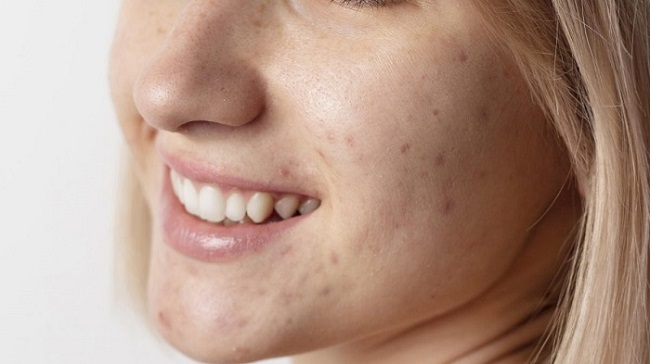
Acne scarring can often leave the skin feeling irregular, with varying depths and textures that persist long after the original breakouts have healed. Many individuals looking for solutions to revitalize their complexion are turning to advanced dermatological procedures. It is common for people to wonder if a Subcision Treatment for Acne Scars in Abu Dhabi serves to tighten the skin in addition to smoothing out the deep indentations left by past inflammation.
-
Acne scars, specifically rolling and tethered scars, are caused by deep fibrous bands that anchor the skin to the underlying tissue.
-
The primary goal of subcision is to release these bands to allow the skin to lift back to a level plane.
-
While subcision is not a traditional “skin tightening” procedure like ultrasound therapy, it does trigger biological responses that can improve overall skin quality and structural support.
The Core Objective of Subcision
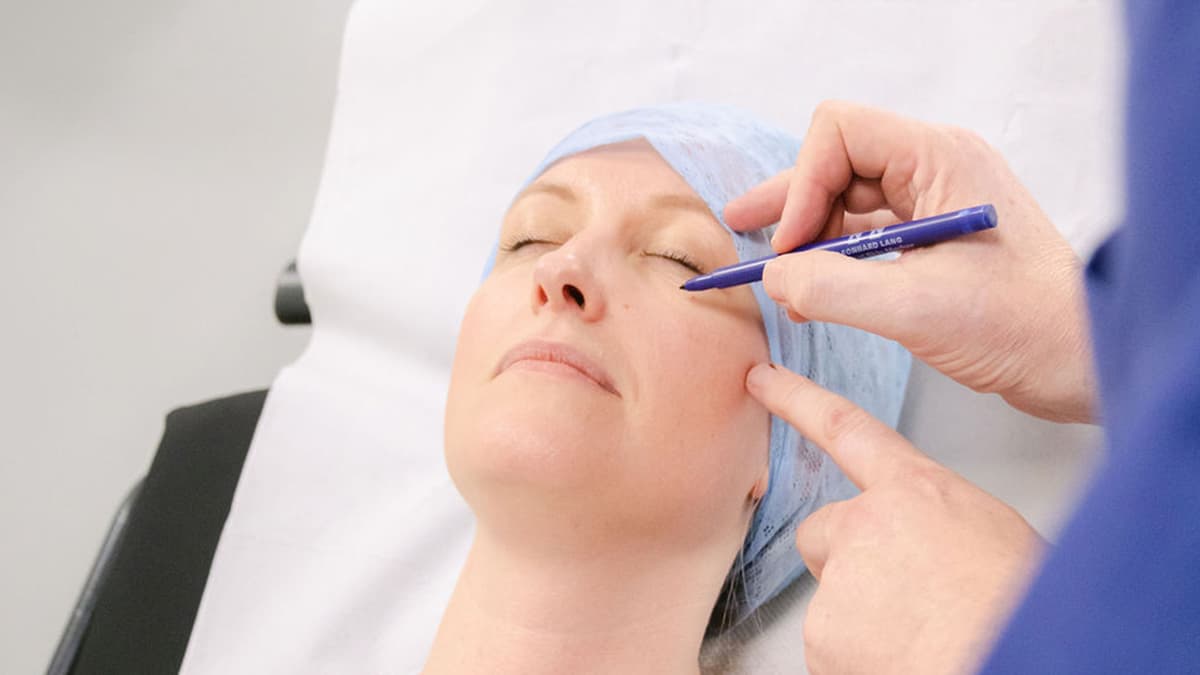
To understand how subcision affects skin firmness, we must first define its primary purpose. Subcision is a targeted procedure designed to address the “tethering” effect. When acne causes significant inflammation, the body’s healing process may create thick bands of scar tissue beneath the skin. These bands act like an elastic cord pulling the skin down, creating a crater-like appearance.
-
Mechanical Release: The procedure utilizes a fine instrument to sever these fibrous bands, which instantly alleviates the downward pull.
-
Structural Reset: Once the tether is released, the skin is no longer forced into a sunken position. This allows the surface to appear smoother and more uniform with the surrounding healthy tissue.
-
Targeted Correction: By focusing specifically on these depressed areas, subcision restores a more even surface level rather than tightening the entire facial landscape like a facelift.
How Subcision Influences Skin Density
While the procedure is not intended for general skin tightening, it triggers a significant biological process known as neocollagenesis. This is the body’s way of healing the micro-injuries caused by the subcision instrument. As the body repairs these internal pathways, it produces new collagen and elastin fibers in the dermal layer.
-
Collagen Remodeling: The mechanical trauma stimulates fibroblasts—the body’s specialized cells responsible for producing collagen. As these fibers organize, they create a denser matrix underneath the scar.
-
Improved Skin Quality: As the density of the dermis increases, the skin may feel firmer and more resilient. While this is not a substitute for procedures designed to lift lax skin, it creates a healthier, more structurally sound foundation.
-
Localized Volume: By encouraging the growth of new connective tissue in the base of the scar, the procedure can add a slight, natural “plumping” effect, which can make the area look tighter and more youthful.
Distinguishing Between Tightening and Smoothing
It is important to manage expectations regarding the difference between skin tightening and skin smoothing. Skin tightening usually refers to the lifting of loose or sagging skin, often by targeting the deep connective tissues or the superficial muscular aponeurotic system (SMAS). Subcision, conversely, targets the specific structural irregularities caused by scarring.
-
Smoothing Effect: The primary result of subcision is a smoother skin texture. When the “divots” are filled and the skin is leveled, the surface appears more refined and polished.
-
The Difference: If your primary concern is sagging skin, there are other modalities designed specifically for that, such as laser resurfacing or ultrasound-based treatments. Subcision is a highly specialized tool for scar revision.
-
Combined Approaches: Many protocols pair subcision with other regenerative treatments to provide both textural smoothing and an overall improvement in skin quality.
The Role of Collagen in Skin Firmness
The reason many people perceive a “tightening” effect after their recovery is the massive boost in collagen production. Collagen is the primary structural protein in the skin, providing strength and elasticity. Because subcision intentionally creates a controlled wound-healing response, the body is forced to build a fresh, healthy network of collagen within the treated areas.
-
Support System: New collagen acts as a support system, replacing the disorganized scar tissue that was previously preventing the skin from staying smooth.
-
Elasticity Maintenance: With a renewed supply of collagen, the skin’s ability to “bounce back” improves. This is often interpreted as a firmer, tighter appearance, especially in areas where the skin had previously felt thin or compromised by deep scarring.
-
Long-Term Benefits: Unlike temporary fillers that might dissipate, the collagen generated by your own body remains in place, providing a lasting structural benefit to the skin’s architecture.
Achieving Sustained Results Through Healing
The journey toward improved skin quality is not instantaneous. Because the body requires time to deposit and mature new collagen, the visual improvements in both texture and perceived firmness happen gradually.
-
The Maturation Phase: After the initial healing of the surface, the deeper tissue continues to remodel for several months.
-
Consistency: Achieving the best results often involves a series of sessions that allow the skin to build up its collagen density progressively.
-
Supporting Skin Health: Maintaining a lifestyle that supports collagen production—such as adequate hydration, sun protection, and a nutrient-rich diet—can help maximize the structural improvements gained from the procedure.
Frequently Asked Questions
1. Is the tightening effect from subcision permanent?
The structural changes, such as the release of tethered bands and the formation of new collagen, are permanent. Once the scar is released and the new, healthy collagen matrix is established, it does not typically revert, providing a long-term improvement in skin texture and firmness.
2. Can subcision help with loose skin around the jawline?
Subcision is primarily designed for acne scars and localized indentations. If your concern is general skin laxity or sagging around the jawline, other procedures focusing on skin tightening are generally more appropriate, as subcision is not intended for lifting loose skin.
3. How does the skin feel after it heals?
After the initial recovery, the treated area often feels smoother and more even. Many individuals report that the skin feels slightly firmer or “plumper” in the areas that were previously depressed, due to the natural buildup of new collagen during the healing phase.
4. Will I need other treatments to achieve a “tight” look?
Depending on your individual skin goals, your provider may recommend combining subcision with other therapies. While subcision addresses the deep scars, other treatments can address surface tone, pigmentation, or general skin laxity, providing a more comprehensive rejuvenation.
5. Does the skin lose its elasticity after multiple subcision sessions?
No, the procedure actually promotes the production of new collagen and elastin in the treated area. The purpose is to create a healthier, more resilient dermal environment. By stimulating the body’s own repair mechanisms, the procedure helps maintain the integrity of the skin structure over time.

 Fillers Injections