Mona lisa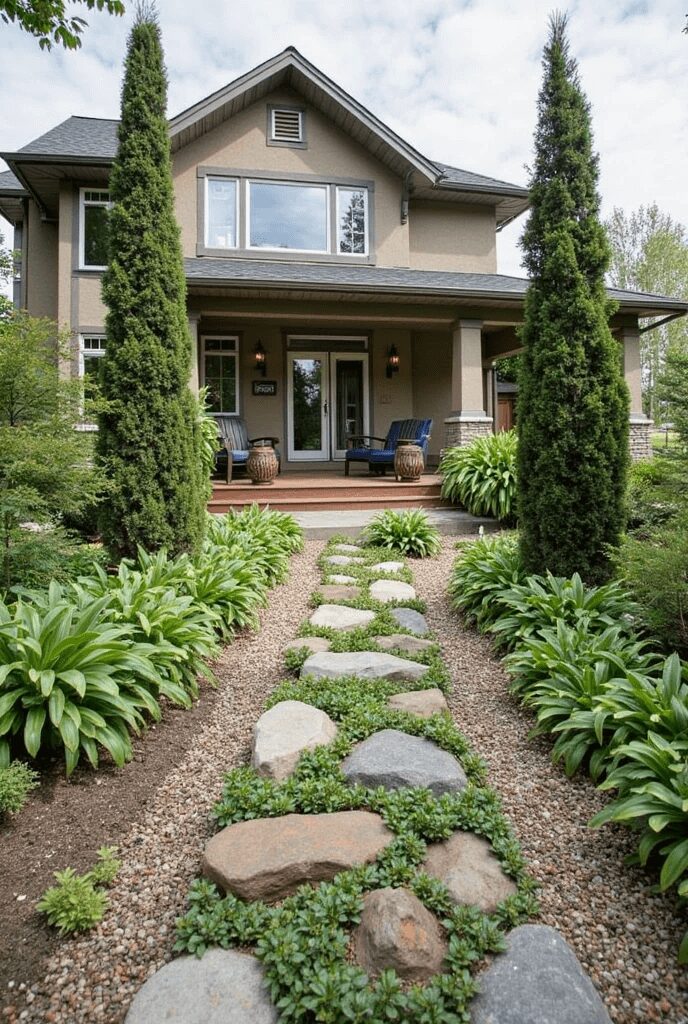
Edmonton landscaping trends 2026 focus on native plant dominance, sustainable yard design, and winter-hardy landscape architecture. Zone 3 native plants like prairie coneflower and Saskatoon serviceberry cut watering 65% while boosting pollinator habitats. Modern hardscaping, smart irrigation, and multifunctional outdoor living transform clay-heavy Edmonton yards.
Native Plant Landscaping Revolution
Prairie natives replace high-maintenance exotics. Saskatoon berries, prairie smoke, and little bluestem thrive in alkaline clay soils without fertilizers. These drought-tolerant perennials survive -35°C winters and Chinook winds naturally.
Top Edmonton Native Plant Picks:
-
Prairie Coneflower – Yellow summer blooms, bee magnet
-
Wild Bergamot – Lavender flowers, deer resistant
-
June Grass – Blue winter texture, zero water
-
Bearberry – Evergreen groundcover, snow load proof
Xeriscaping + Native Plant Integration
Zero-water xeriscaping pairs native plants with gravel mulch and permeable pavers. River rock pathways surrounded by prairie smoke eliminate lawn maintenance entirely. Corten steel edging contains little bluestem ornamental grasses perfectly.
Native Xeriscape Formula:
60% native plants + 30% gravel + 10% boulder accents

= 100% zero maintenance yard
Smart Irrigation for Native Plants
WiFi controllers deliver precise watering to native plant zones vs. lawn areas. Soil sensors prevent clay soil saturation—key for prairie coneflower root health. Drip emitters target Saskatoon shrubs individually.
Multi-Functional Hardscaping Trends
Bluestone patios with integrated native plant planters create seamless indoor-outdoor flow. Gas fire pits surrounded by boulder seating extend usability through October. Retractable pergola roofs protect wild bergamot from hail storms.
| Feature | Native Plant Pairing | Winter Performance |
|---|---|---|
| Fire Pit Patio | Prairie Smoke + Bearberry | Excellent |
| Outdoor Kitchen | Saskatoon + June Grass | Perfect |
| Pergola Seating | Wild Bergamot + Coneflower | Superior |
Vertical Landscaping with Natives
Living walls feature native sedums and pussytoes cascading from pocket planters. Trellis systems grow hardy kiwi alongside native clematis. Retaining wall pockets showcase prairie smoke perfectly.
Edmonton’s Microclimate Design Zones
North Yards (Shade): Bunchberry + wild ginger + oak fern
South Hellstrips (Hot/Dry): Yucca + blanket flower + bearberry
Wind Corridors: Saskatoon hedge + switchgrass screens
Low Wetlands: Native iris + marsh milkweed
Winter Protection for Native Plantings
Angular gravel mulch prevents frost heaving around prairie coneflower crowns. Burlap wraps protect young Saskatoon stems from rabbits. Snow fencing directs drifts AWAY from little bluestem bases.
Winter Native Plant Care:
❌ Don't pile snow on prairie plants

✅ Let natural drifts form (insulation)

❌ Avoid rock salt near natives

✅ Use CMA de-icer only
5-Year Cost Analysis: Native vs Traditional
| Landscaping Type | Year 1 Cost | Years 2-5 Cost | Property Value |
|---|---|---|---|
| Native Plant | $12K | $0 | +15% |
| Traditional Lawn | $18K | $16K | +3% |
| Total Savings | $22K | +12% |
2026 Edmonton Landscaping Timeline
Jan-Feb: Order native plants from local nurseries

Mar: Hardscaping + irrigation install

Apr 15-30: Soil amendment (gravel mix)

Sep 10-25: Plant natives (optimal root growth)

Oct: Gravel mulch application
Contractor Selection Checklist
✅ Native plant portfolio (3+ years)

✅ Xeriscaping experience

✅ Irrigation certification

✅ 5-year native plant warranty

✅ Clay soil amendment knowledge

❌ Spruce tree obsession

❌ Plastic landscape fabric use
Edmonton 2026 landscaping creates self-sustaining native plant ecosystems requiring zero chemicals, minimal water, and basic snow clearing. Property values rise 15% while maintenance drops 70%. The future of prairie yard design starts with plants evolution built for Alberta’s extremes.


 Ahasan Ali
 SKIL Events