hotsoccer girls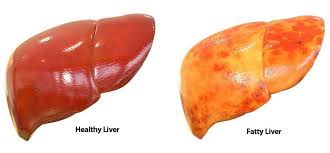
The liver is one of the most important organs in the human body. It helps filter toxins, process nutrients, and maintain overall health. However, modern lifestyles, poor eating habits, and lack of physical activity have increased the risk of liver-related diseases. One of the most common conditions affecting millions of people today is Fatty Liver.
Many people are unaware that this condition often develops silently. In fact, it may not show clear symptoms in the early stages. Over time, however, it can lead to serious liver damage if left untreated. Therefore, understanding its causes, symptoms, and preventive measures is extremely important.
In this article, we will explore everything you need to know about fatty liver disease, including how it develops, warning signs to watch for, and the lifestyle changes that can help manage or prevent it.
What is Fatty Liver Disease?
Fatty liver disease occurs when excess fat accumulates in the liver cells. Normally, the liver contains small amounts of fat. However, when fat accounts for more than 5–10% of the liver’s weight, it is considered fatty liver disease.
There are two primary types of fatty liver disease:
1. Non-Alcoholic Fatty Liver Disease (NAFLD)
This type is not related to alcohol consumption. Instead, it is usually linked to obesity, insulin resistance, diabetes, and unhealthy lifestyle habits. NAFLD is currently one of the most common liver disorders worldwide.
2. Alcoholic Fatty Liver Disease (AFLD)
This condition occurs due to excessive alcohol consumption. Alcohol can damage liver cells and interfere with fat metabolism, leading to fat accumulation in the liver.
Both types can progress to more severe conditions if not properly managed.
Common Causes of Fatty Liver
Several factors contribute to the development of fatty liver disease. Often, it results from a combination of lifestyle habits and metabolic issues.
1. Poor Diet
Diets high in processed foods, sugar, and unhealthy fats can increase fat accumulation in the liver.
2. Obesity
Excess body weight is one of the leading risk factors. Fat stored in the body can also affect the liver’s ability to function properly.
3. Type 2 Diabetes
People with diabetes often develop insulin resistance, which increases the likelihood of fat buildup in the liver.
4. High Cholesterol and Triglycerides
Elevated levels of fats in the blood can contribute to liver fat storage.
5. Lack of Physical Activity
A sedentary lifestyle slows metabolism and increases the risk of metabolic disorders, including fatty liver disease.
6. Excess Alcohol Consumption
Regular or heavy drinking can directly damage liver cells and lead to fat accumulation.
Symptoms You Should Not Ignore
One of the biggest challenges with fatty liver disease is that it often shows no symptoms in the early stages. Many people discover it during routine medical tests.
However, as the condition progresses, some symptoms may appear.
Common symptoms include:
-
Persistent fatigue
-
Discomfort in the upper right abdomen
-
Unexplained weight gain
-
Weakness
-
Loss of appetite
-
Mild swelling in the abdomen
In severe cases, liver inflammation may develop, which can lead to conditions such as fibrosis or cirrhosis.
Therefore, regular health check-ups are important for early detection.
How Fatty Liver is Diagnosed
Doctors typically diagnose fatty liver through a combination of medical history, physical examinations, and diagnostic tests.
Blood Tests
Liver function tests measure enzymes that indicate liver health.
Ultrasound
Ultrasound imaging is commonly used to detect fat accumulation in the liver.
CT Scan or MRI
These imaging tests provide more detailed views of the liver.
Liver Biopsy
In rare cases, a biopsy may be performed to determine the severity of liver damage.
Early diagnosis helps prevent further complications and allows timely treatment.
Lifestyle Changes to Manage Fatty Liver
The good news is that fatty liver disease is often reversible, especially in its early stages. Making healthy lifestyle changes can significantly improve liver health.
Maintain a Healthy Weight
Gradual weight loss can reduce fat accumulation in the liver. Even a 5–10% reduction in body weight can make a significant difference.
Follow a Balanced Diet
A liver-friendly diet should include:
-
Fresh fruits and vegetables
-
Whole grains
-
Lean proteins
-
Healthy fats such as olive oil and nuts
At the same time, it is important to limit:
-
Sugary foods and beverages
-
Processed foods
-
Fried foods
-
Excess salt
Exercise Regularly
Physical activity helps burn excess fat and improves insulin sensitivity. Aim for at least 30 minutes of moderate exercise most days of the week.
Avoid Alcohol
Reducing or eliminating alcohol consumption can help prevent further liver damage.
Manage Medical Conditions
Controlling diabetes, cholesterol, and blood pressure can also reduce the risk of liver complications.
Foods That Support Liver Health
Certain foods are known to support liver function and may help reduce liver fat.
Coffee
Studies suggest that coffee may help reduce liver inflammation and protect liver cells.
Green Vegetables
Spinach, kale, and broccoli are rich in antioxidants that support liver health.
Fatty Fish
Fish like salmon and sardines contain omega-3 fatty acids that reduce inflammation.
Nuts
Almonds and walnuts contain healthy fats that support metabolic health.
Green Tea
Green tea contains antioxidants that may help reduce fat accumulation in the liver.
Including these foods in your diet can help maintain a healthy liver.
When to See a Doctor
Although fatty liver disease may appear mild in the beginning, it can lead to serious complications if ignored.
You should consult a doctor if you experience:
-
Persistent fatigue
-
Abdominal discomfort
-
Unexplained weight gain
-
Abnormal liver test results
Early medical advice can help prevent progression to severe liver diseases such as cirrhosis or liver failure.
Preventing Fatty Liver Disease
Prevention is always better than treatment. Fortunately, several simple habits can significantly reduce the risk of fatty liver disease.
Maintain a Healthy Diet
Focus on natural, nutrient-rich foods and limit processed items.
Stay Physically Active
Regular exercise supports metabolism and prevents fat buildup.
Control Blood Sugar Levels
Monitoring and managing diabetes reduces liver complications.
Get Regular Health Checkups
Routine blood tests and health screenings can detect early signs of liver problems.
Avoid Excess Alcohol
Moderate or eliminate alcohol consumption to protect liver health.
Conclusion
Fatty liver disease is becoming increasingly common due to modern lifestyles, unhealthy eating habits, and lack of physical activity. While the condition may not always cause noticeable symptoms, it can gradually damage the liver if ignored.
Fortunately, the disease is often preventable and even reversible in its early stages. By maintaining a balanced diet, exercising regularly, managing weight, and avoiding excessive alcohol consumption, individuals can significantly improve their liver health.
Taking proactive steps today can protect your liver and ensure better overall health in the long run.


 Sages yoga
 Laser treatment