Linda Anne
Across the United Kingdom’s diverse landscapes—from the intensive arable plains of East Anglia to the livestock-rearing uplands of Scotland and the mixed farms of the West Country—farm fuel suppliers deliver the energy that powers daily life on the land. Red diesel continues as the primary fuel for off-road agricultural machinery like tractors, harvesters, and telehandlers, offering the tax-relieved advantage that helps keep production costs manageable for farmers. Heating oil warms livestock sheds, dries grain, and maintains comfortable conditions in farmhouses, while white diesel supports vehicles that need to travel on public roads. In 2026, with ongoing economic pressures and weather variability, these suppliers ensure uninterrupted operations during critical windows of planting, spraying, and harvest. Major providers maintain nationwide networks, blending traditional reliability with emerging sustainable choices to meet the evolving demands of modern farming. Their work quietly underpins national food security, enabling producers to focus on growing, rearing, and harvesting rather than fretting over supply shortages.
Domestic Oil Suppliers: The Warmth That Sustains Rural Communities
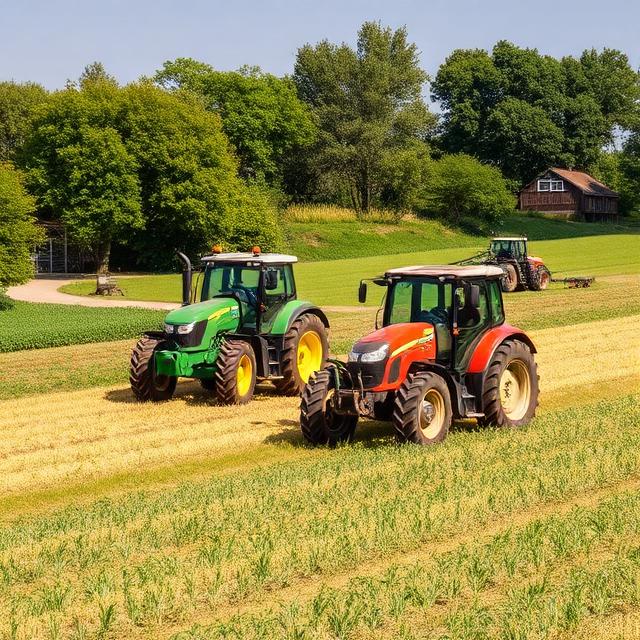
Domestic oil suppliers form a vital link in the chain that keeps rural Britain habitable and productive through every season. They transport kerosene and gas oil to isolated farm tanks, powering central heating systems that protect animals from frost, prevent pipes from freezing, and create livable spaces for farming families. High-quality, clean-burning fuels reduce the incidence of sooty burners or inefficient combustion, sparing farmers unnecessary repair bills and downtime. Suppliers often provide expert guidance on optimal tank sizing, bunding requirements, and seasonal stocking strategies to avoid running dry during prolonged cold spells. In recent years, many have expanded offerings to include renewable-blended heating oils, allowing properties to lower emissions incrementally without overhauling existing infrastructure. This combination of dependable delivery, regulatory compliance, and practical support transforms a basic utility into a cornerstone of rural resilience, helping communities weather both literal and figurative storms.
The Art of Arrival: How Farm Fuel Delivery Keeps Pace with Farming
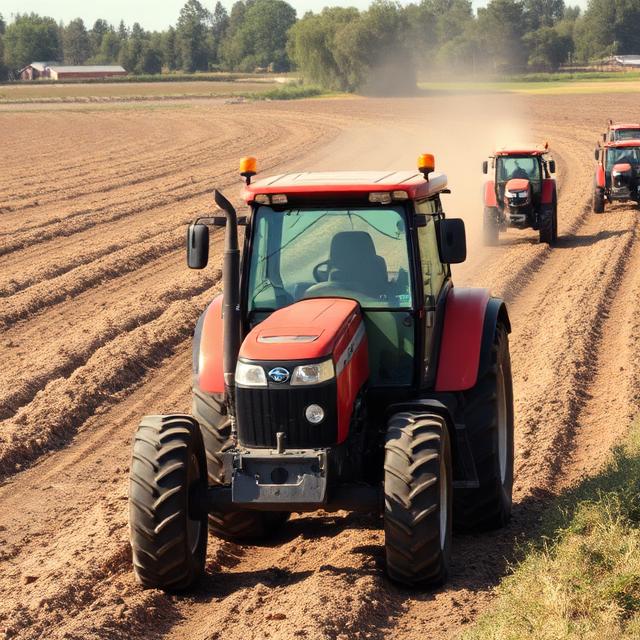
Farm fuel delivery represents a triumph of coordinated logistics tailored to the unique contours of agricultural Britain. Fleets of purpose-built tankers traverse narrow lanes, ford gateways, and reach the most out-of-the-way fuel stores with remarkable consistency. Suppliers offer rapid-response services—frequently next-day or emergency options—that prove invaluable when unexpected demand surges during harvest or when cold weather accelerates consumption. Advanced telemetry systems now monitor tank levels continuously, sending alerts and often arranging automatic top-ups to prevent any risk of interruption. Drivers receive specialised training to handle rural conditions safely, minimising environmental impact and ensuring every drop reaches its destination intact. This behind-the-scenes efficiency removes a major variable from farm management, allowing operators to plan confidently around weather forecasts, market windows, and machinery schedules without the added worry of fuel logistics.
Enhancing Every Litre: The Growing Impact of Farm Fuel Additives
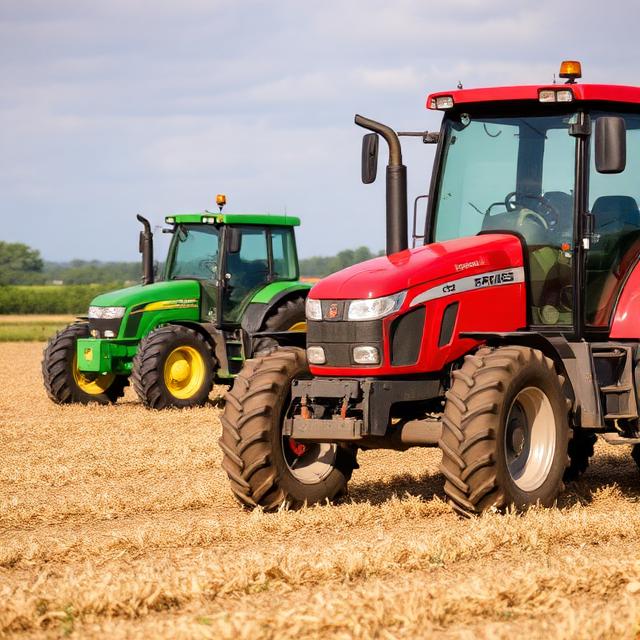
Farm fuel additives have become an increasingly popular enhancement, quietly boosting performance and protecting investment in expensive equipment under Britain’s demanding conditions. Mixed into red diesel or gas oil, these formulations combat prevalent issues such as microbial sludge in stored fuel, waxing in low temperatures, and carbon buildup on injectors over thousands of hours. Benefits include smoother cold starts, reduced exhaust smoke, improved combustion efficiency, and often measurable gains in litres per hectare or per hour of work. In a climate prone to humidity and long storage periods between seasons, additives extend fuel shelf life and maintain quality. Suppliers frequently incorporate premium additive packages at point of delivery or offer them as low-cost bolt-ons, making adoption straightforward. As regulations push for cleaner operations, these treatments help conventional fuels perform better while complementing the shift toward lower-carbon alternatives, delivering both economic and environmental advantages to forward-thinking farms.
Guiding the Choice: What Makes a Standout Farm Fuel Supplier
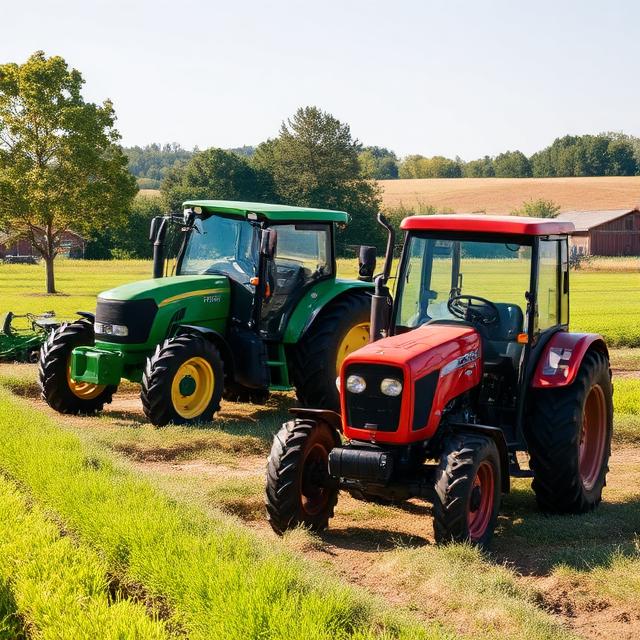
Selecting the most suitable farm fuel supplier involves balancing several practical elements that directly influence operational smoothness and bottom-line results. Foremost is unwavering reliability—consistent on-time deliveries that honour commitments even in adverse weather or peak demand. Transparent pricing structures, free of concealed fees, enable accurate budgeting amid volatile markets. A comprehensive product portfolio, encompassing red diesel, heating oil, specialist lubricants, and increasingly renewable substitutes, simplifies procurement and reduces administrative overhead. Extensive coverage through multiple depots ensures accessibility for farms in remote regions, while value-added services like flexible payment terms, usage tracking tools, and on-call technical advice strengthen partnerships. Reputation, built through years of dependable service and positive farmer feedback, often outweighs promotional claims. The strongest suppliers function almost as an extension of the farm business, anticipating requirements, adapting to changes, and providing steady support that helps operations flourish through good years and challenging ones.
Navigating Tomorrow: Sustainable Shifts and Bright Prospects in Farm Fuel Supply

The UK farm fuel landscape in 2026 pulses with transition and opportunity as sustainability moves from aspiration to practical reality. Hydrotreated Vegetable Oil (HVO) has matured into a widely available, drop-in replacement for red diesel, offering substantial greenhouse gas reductions while requiring no engine modifications or performance trade-offs. Suppliers actively promote HVO alongside conventional fuels, supported by incentives under schemes like the Renewable Transport Fuel Obligation, making greener choices more accessible and cost-competitive for bulk users. Digital platforms for ordering, consumption analysis, and predictive refuelling grow ever more sophisticated, empowering farmers with data-driven control over their energy use. Additives advance in tandem, optimising both legacy and renewable fuels for peak efficiency. Although electrification and other technologies may influence lighter duties, the heavy mechanical demands of tillage, hauling, and processing ensure liquid fuels retain centrality for decades. Suppliers embracing innovation while preserving core dependability equip British agriculture to balance productivity with responsibility, securing a resilient, lower-carbon future that nourishes both people and planet.


 siya sharma
 Christina Wood