Rao Abdullah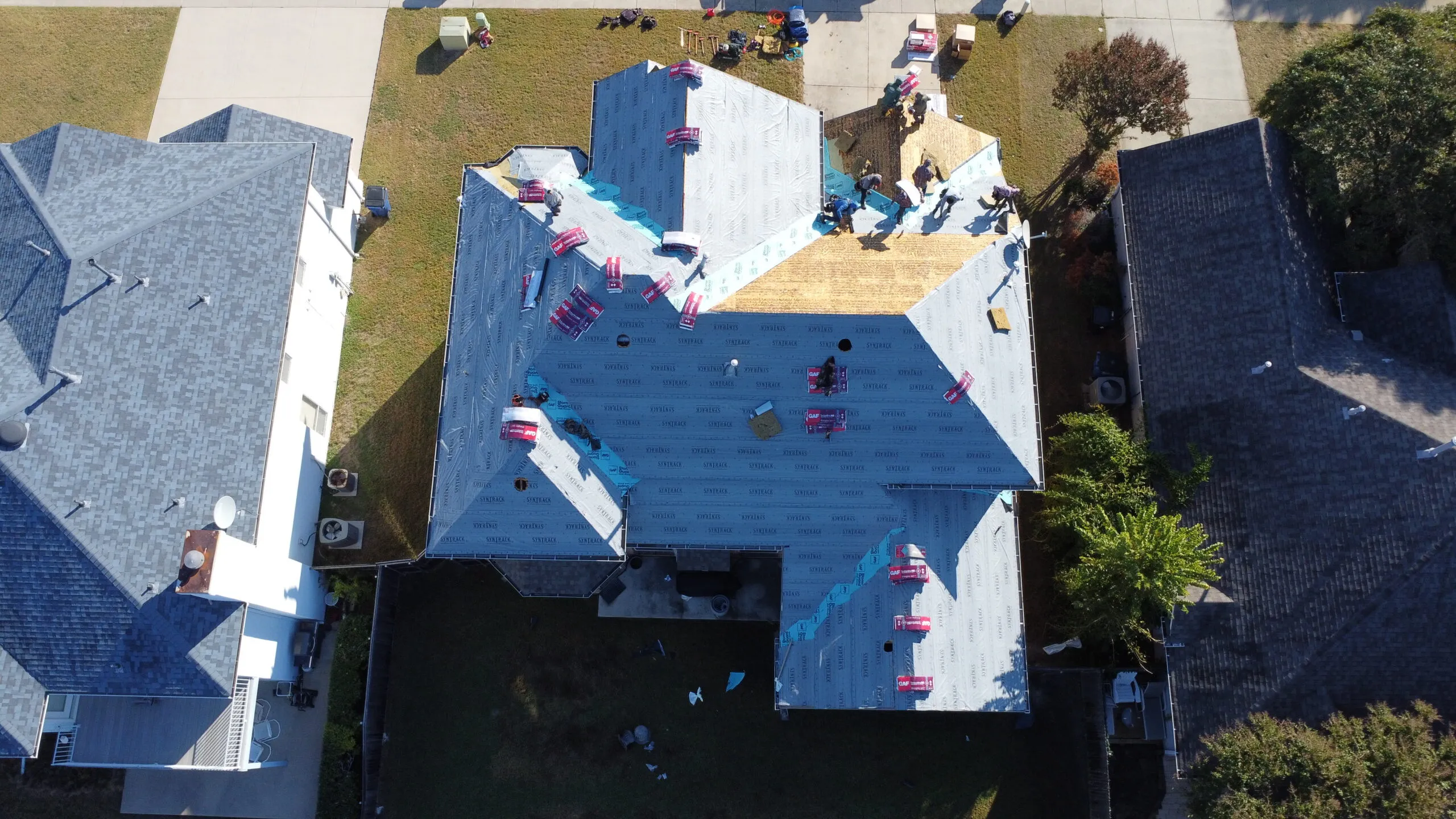
Effective water management is a foundational part of residential construction, particularly in North Texas communities like Little Elm, TX. As homes age and weather patterns place increasing stress on exterior systems, gutter replacement becomes a necessary step in maintaining proper drainage and protecting structural components. Unlike minor repairs, replacement addresses system-wide performance issues that develop over time.
This article explains gutter replacement from an informational perspective, focusing on why it becomes necessary, how it affects roofing and foundations, and why local environmental conditions in Little Elm influence replacement decisions.
Why Gutter Replacement Becomes Necessary Over Time
Gutter systems are exposed to constant environmental stress. While repairs can resolve localized issues, there comes a point when the overall system no longer functions as intended. In Little Elm, frequent storms, strong winds, and seasonal debris accelerate wear across gutter components.
Replacement is typically considered when:
- Multiple sections show recurring leaks
- Gutters no longer maintain proper slope
- Fasteners fail repeatedly due to material fatigue
- Water overflows despite clear channels
At this stage, replacing the entire system restores consistent drainage rather than addressing symptoms individually.
Environmental Factors Affecting Gutter Longevity in Little Elm
Little Elm’s climate plays a direct role in how long gutter systems last.
Heavy Rainfall Events
Sudden downpours place high demand on gutter capacity. Older systems may not handle increased water volume effectively.
Wind Exposure
High winds can gradually loosen brackets and joints, causing misalignment that worsens over time.
Temperature Fluctuations
Expansion and contraction from Texas heat cycles stress seams and connectors, increasing the likelihood of system-wide failure.
These factors explain why gutter replacement is often a practical response rather than a cosmetic upgrade.
How Gutter Replacement Supports Roof Performance
Gutters and roofs function as an integrated system. When gutters fail, water may collect along roof edges or back up beneath shingles. Over time, this moisture exposure can damage fascia boards, underlayment, and roof decking.
Gutter replacement restores proper water flow away from the roofline. New systems are designed to align with current roofing standards, ensuring that runoff is collected efficiently and directed away from vulnerable areas.
For a technical overview of how full system upgrades improve drainage efficiency, this reference on Gutter Replacement explains the structural considerations involved in modern installations.
Materials Commonly Used in Gutter Replacement
Replacement provides an opportunity to update materials and system design.
Aluminum Systems
Lightweight and corrosion-resistant, aluminum is commonly used in residential properties.
Steel Systems
Stronger than aluminum but heavier, steel requires proper coating to prevent rust.
Seamless Designs
Modern replacement often involves seamless systems that reduce joint-related leaks and improve water flow consistency.
Material choice affects durability, maintenance needs, and how the system performs under Little Elm’s weather conditions.
Structural Evaluation Before Gutter Replacement
Effective gutter replacement begins with assessing the structure supporting the system.
Fascia Board Condition
Rot or weakness in fascia boards must be addressed before new gutters are installed.
Roof Edge Alignment
Uneven roof edges can affect slope accuracy and drainage efficiency.
Downspout Placement
Replacement allows for improved downspout positioning to direct water farther from foundations.
Ignoring these factors during replacement can limit the effectiveness of the new system.
Gutter Replacement and Foundation Protection
Foundations are particularly vulnerable to water mismanagement. When gutters fail, water often pools near the base of the structure. In Little Elm, clay-heavy soil absorbs moisture and expands, placing pressure on foundation components.
Over time, this can lead to:
- Soil erosion
- Foundation settlement
- Cracking in slabs or supports
Gutter replacement helps restore controlled drainage patterns, reducing excess moisture around the foundation and supporting long-term structural stability.
Differences Between Gutter Repair and Replacement
While repair focuses on isolated defects, replacement addresses systemic performance issues.
Repair Scenarios
- Small leaks
- Minor sagging
- Loose fasteners
Replacement Scenarios
- Repeated failures across multiple sections
- Inadequate capacity for current rainfall patterns
- Widespread corrosion or material fatigue
Understanding this distinction helps explain why replacement is sometimes the more effective long-term solution.
Gutter Replacement in Older and Newer Homes
Older Homes
Older properties in Little Elm may have outdated gutter designs that no longer meet modern drainage demands. Replacement allows for updated sizing and attachment methods.
Newer Homes
Even newer homes may require replacement if original installation did not account for roof size or local rainfall intensity.
In both cases, replacement aligns the drainage system with current structural and environmental requirements.
Local Construction Patterns and Drainage Design
Residential construction in Little Elm varies widely by neighborhood, roof design, and lot grading. These variations affect how water flows off roofs and around homes.
In roofing construction in Little Elm, TX, drainage systems are often designed to accommodate large roof spans and sloped lots common in newer developments. Gutter replacement must account for these local design factors to function effectively.
Long-Term Benefits of Gutter Replacement
When performed at the right time, gutter replacement contributes to:
- Improved drainage efficiency
- Reduced roof edge deterioration
- Lower risk of foundation moisture issues
- Fewer recurring maintenance concerns
These benefits demonstrate why replacement is considered an investment in structural preservation rather than a surface-level improvement.
Drainage Systems as Part of Overall Construction Services
Gutters are not isolated features. They work alongside roofing, siding, and foundation systems as part of a complete construction framework.
Construction services that treat gutter replacement as part of an integrated system help ensure that water management aligns with the overall structure. This systems-based approach supports consistent performance and reduces long-term risk.
Organizations such as Clear Vision Roofing often emphasize system-level understanding because effective replacement depends on how all exterior components interact over time.
Understanding Replacement as Preventative Action
Gutter replacement is often performed before visible damage occurs. By addressing system-wide wear early, homeowners reduce the likelihood of moisture-related issues affecting interior spaces or structural components.
This preventative approach supports long-term property stability, especially in regions with variable weather conditions like Little Elm.
FAQs
1. Why is gutter replacement important in Little Elm?
Local weather patterns create high drainage demands that older systems may not handle.
2. How do I know if replacement is better than repair?
When issues occur across multiple sections, replacement is often more effective.
3. Can failing gutters damage the roof?
Yes, water can back up under roof edges and cause moisture damage.
4. How does gutter replacement protect foundations?
It directs water away from the base of the structure, reducing soil saturation.
5. Does climate affect how long gutters last?
Yes, rain intensity, wind, and temperature changes all impact longevity.
6. Are seamless systems better for replacement?
They reduce leak points by minimizing joints.
7. Does roof size affect gutter replacement design?
Larger roofs require higher drainage capacity and proper downspout spacing.
8. Can replacement improve drainage efficiency?
Yes, updated systems restore proper slope and water flow.
9. Is gutter replacement part of construction maintenance?
Yes, it supports roofing, exterior walls, and foundations.
10. Why is local construction knowledge important?
Local design patterns and soil conditions influence drainage performance.


 cyne ruler
 petcare services