Jeena Sikho HiiMS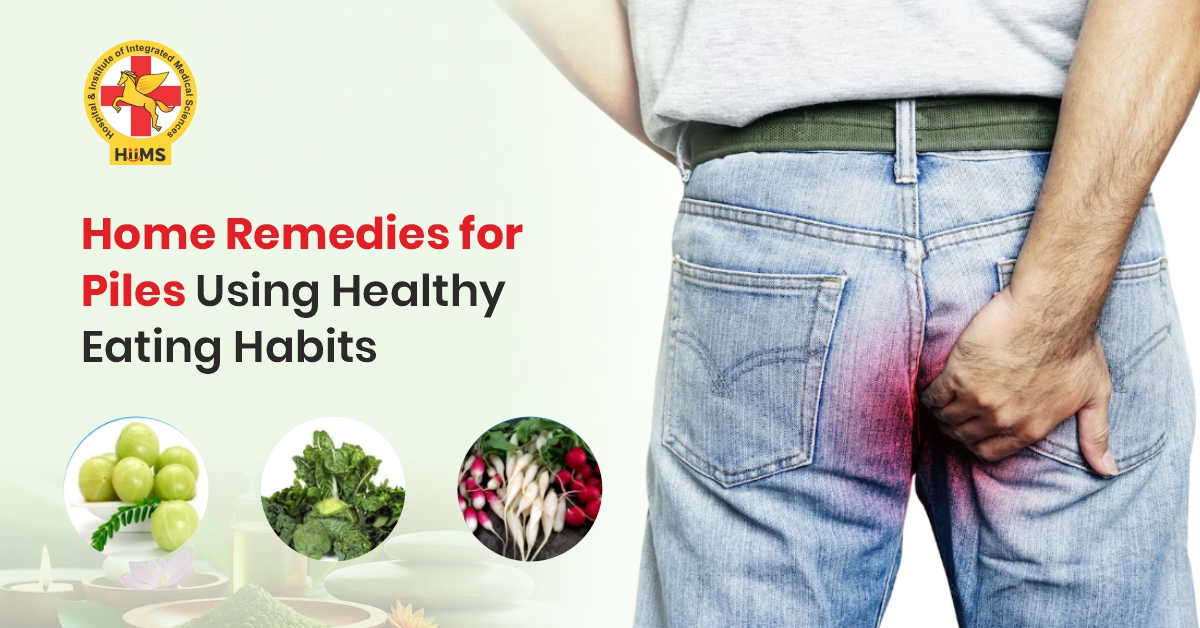
Piles are one of the most common digestive health concerns affecting people across different age groups. They can cause discomfort, itching, swelling, pain during bowel movements, and sometimes bleeding. Because these symptoms can interfere with daily life, many people begin searching for Home Remedies for Piles before considering advanced treatment options.
While piles can vary in severity, making simple changes in daily habits may help improve comfort and support digestive health. Understanding the condition and adopting healthy lifestyle practices can often make a significant difference in managing symptoms naturally.
What Causes Piles?
Piles usually develop when excessive pressure is placed on the veins around the rectum and anus. This pressure often results from constipation, straining during bowel movements, sitting for long hours, obesity, or poor dietary habits.
When bowel movements become difficult and stools remain hard, the affected veins can become swollen, leading to discomfort and irritation. Understanding these causes is important because managing them may help reduce the chances of symptoms becoming worse over time.
Common Risk Factors
- Chronic constipation
- Low-fiber diet
- Lack of physical activity
- Long sitting hours
- Inadequate water intake
- Obesity
- Irregular eating habits
Why Digestive Health Matters
One of the most important aspects of managing piles naturally is maintaining healthy digestion. Digestive health has a direct impact on bowel movements. When digestion functions smoothly, stools remain softer and easier to pass.
However, poor eating habits can slow digestion and contribute to constipation, which increases strain during bowel movements. This is why many natural approaches focus on improving digestion first.
Benefits of Better Digestion
- Supports regular bowel movements
- Helps reduce constipation
- Improves nutrient absorption
- Promotes overall digestive comfort
- Reduces unnecessary strain
Foods That May Support Digestive Wellness
A diet rich in fiber is often considered beneficial for people dealing with piles. Fiber helps add bulk to stool and supports regular bowel movements.
Fruits such as papaya, apples, pears, bananas, and figs provide natural fiber and may help maintain digestive comfort. Vegetables like spinach, bottle gourd, carrot, beetroot, cucumber, and leafy greens also contribute valuable nutrients while supporting healthy bowel function.
Fiber-Rich Foods to Include
- Papaya
- Apples
- Pears
- Bananas
- Figs
- Spinach
- Bottle gourd
- Carrots
- Beetroot
- Oats
- Brown rice
Including these foods regularly can be a simple step toward better digestive wellness.
The Importance of Staying Hydrated
Hydration plays an equally important role. Drinking enough water throughout the day helps keep stools soft and easier to pass. Without proper hydration, even a fiber-rich diet may not provide the desired benefits.
Many people underestimate the importance of water when dealing with digestive discomfort. Simple habits such as drinking water regularly, consuming coconut water, and starting the day with lemon water may support overall digestive balance.
Simple Hydration Tips
- Drink 8–10 glasses of water daily
- Start your day with warm lemon water
- Include coconut water occasionally
- Eat water-rich fruits and vegetables
- Avoid excessive sugary drinks
Why Physical Activity Is Important
Physical activity is another factor that often gets overlooked. A sedentary lifestyle can contribute to digestive issues and constipation. Regular movement encourages healthy digestion and supports bowel regularity.
Activities such as walking, light stretching, and maintaining an active routine may help reduce the risk of digestive sluggishness. Even a short walk after meals can support the body’s natural digestive processes.
Easy Ways to Stay Active
- Walk for 20–30 minutes daily
- Take movement breaks during work
- Use stairs whenever possible
- Practice gentle stretching exercises
Avoid Long Hours of Sitting
People who spend long hours sitting may be more likely to experience piles-related discomfort. Office work, long commutes, and inactive routines can increase pressure in the lower rectal area.
Taking regular breaks, standing up frequently, and incorporating movement into daily schedules may help reduce unnecessary strain and support better circulation.
Building Healthy Daily Habits
While many people search for quick fixes, consistency is often more valuable than temporary solutions. Eating meals on time, avoiding excessive processed foods, reducing fried and spicy foods, staying hydrated, and maintaining physical activity are simple habits that may contribute to better digestive comfort.
These small changes may seem minor, but when followed consistently, they can support healthier bowel habits and improve overall wellness.
A Holistic Approach to Wellness
At Jeena Sikho HiiMS, digestive wellness is often viewed as an important part of overall health. A holistic approach that emphasizes healthy eating habits, lifestyle improvements, and natural wellness practices can help individuals work toward better digestive balance.
Rather than focusing only on symptoms, attention is given to the daily habits that influence long-term well-being.
Conclusion
Home Remedies for Piles are often most effective when combined with a balanced lifestyle. There is no single food or habit that works overnight. Instead, long-term improvements usually come from a combination of healthy eating, hydration, physical activity, and mindful daily routines.
Paying attention to digestive health can help people take positive steps toward managing discomfort naturally and supporting overall quality of life.
Your journey to better health starts here. Book an appointment today.


 enfield abudhabi
 aanya atwal