Commport Technologies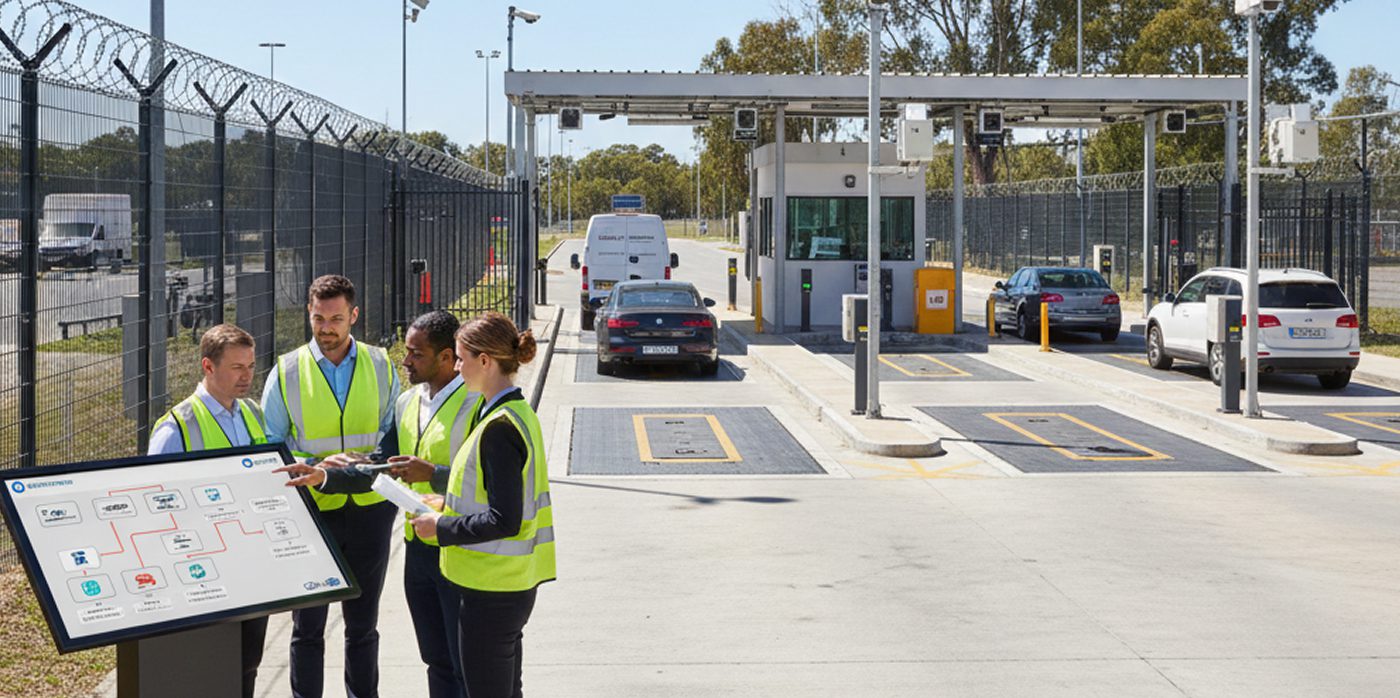
As security threats continue to evolve, organizations must adopt smarter and more proactive methods for protecting their facilities. Vehicles entering secure locations can present significant risks if they are not properly screened. Hidden objects, unauthorized modifications, and suspicious materials may go undetected when facilities rely solely on manual inspections. To address these challenges, advanced imaging technology has become a critical tool in modern vehicle security strategies.
Commport Technologies, a trusted supplier of advanced License Plate Recognition (LPR) systems, helps organizations strengthen vehicle screening operations through intelligent security solutions. By combining high-resolution imaging technologies with automated vehicle identification, facilities can significantly improve threat detection, streamline inspections, and enhance access control.
From critical infrastructure and government facilities to industrial plants, logistics hubs, airports, ports, and commercial properties, advanced imaging systems are transforming the way organizations secure their perimeters and prevent unauthorized access.
Why Traditional Vehicle Screening Faces Limitations
Many facilities continue to rely on visual inspections performed by security personnel at entry points. While these inspections remain an important part of security operations, they often face practical limitations.
Common challenges include:
- Limited visibility beneath vehicles
- Difficulty detecting concealed objects
- High vehicle traffic volumes
- Human error during inspections
- Inconsistent screening procedures
- Delays at access control points
As facilities become larger and security requirements become more complex, manual inspections alone are often insufficient to identify potential threats effectively.
The Growing Need for Advanced Vehicle Threat Detection
Modern security threats require organizations to detect risks before vehicles enter restricted areas. Waiting until a threat has already entered a facility can lead to operational disruptions, safety concerns, and significant financial consequences.
Protecting Sensitive Assets
Facilities housing critical equipment, confidential information, or essential infrastructure require stronger protection measures.
Improving Security Response Times
Early threat detection enables security teams to investigate suspicious vehicles before they gain access.
Supporting Business Continuity
Preventing security incidents helps organizations avoid operational interruptions and maintain productivity.
Enhancing Overall Security Awareness
Advanced technologies provide security teams with valuable data that supports informed decision-making.
These benefits make vehicle threat detection an essential component of modern access control strategies.
How Advanced Imaging Technology Works
Advanced imaging technology allows security teams to capture detailed visual information about vehicles as they approach entry points.
Using specialized cameras and imaging sensors, these systems create high-resolution images that reveal areas of a vehicle that may otherwise be difficult to inspect.
Unlike manual inspections, imaging systems operate continuously and consistently, helping organizations maintain high security standards regardless of traffic volume.
Key Advantages of Advanced Imaging Systems
High-Resolution Image Capture
Detailed images provide security personnel with greater visibility and improved threat assessment capabilities.
Real-Time Monitoring
Images are captured and displayed instantly, allowing rapid review and response.
Automated Screening
Vehicles can be inspected without requiring lengthy manual examination procedures.
Digital Record Keeping
Inspection images are stored electronically, supporting audits, investigations, and compliance requirements.
These capabilities significantly improve vehicle screening effectiveness.
The Importance of Under Vehicle Inspection
One of the most valuable applications of advanced imaging technology is under vehicle inspection. The underside of a vehicle is difficult to examine manually and can potentially be used to conceal unauthorized items.
Modern inspection systems capture detailed images of a vehicle’s undercarriage as it passes through designated inspection zones.
What Security Teams Can Identify
Advanced under vehicle inspection technology can help detect:
- Suspicious packages
- Hidden objects
- Structural alterations
- Foreign attachments
- Concealed compartments
- Signs of tampering
This level of visibility enables organizations to identify risks that might otherwise remain unnoticed.
Solving the Challenge of Concealed Threats
Security teams often face the challenge of detecting risks that are intentionally hidden from view.
Increased Inspection Accuracy
Advanced imaging systems provide consistent and repeatable inspections that reduce the possibility of missed threats.
Faster Security Decisions
Detailed images are available immediately, allowing personnel to evaluate risks quickly.
Reduced Reliance on Manual Procedures
Automation improves efficiency while maintaining high inspection standards.
Enhanced Security Coverage
Every vehicle can be screened thoroughly without causing significant delays.
These advantages make advanced imaging technology a valuable tool for facilities that require strong perimeter security.
How LPR Technology Enhances Vehicle Screening
While imaging systems reveal physical characteristics and potential threats, organizations also need to verify vehicle identity.
License Plate Recognition technology plays a crucial role in this process by automatically capturing and analyzing vehicle license plates.
Automatic Vehicle Identification
LPR systems identify vehicles instantly as they approach facility entrances.
Access Verification
License plate information is compared against approved access lists and security databases.
Real-Time Alerting
Security personnel receive notifications when unauthorized or flagged vehicles are detected.
Accurate Vehicle Records
Every vehicle entry and exit is documented automatically.
These capabilities help organizations improve access control and security oversight.
How LPR Integrates with Vehicle Inspection Systems
The most effective vehicle security solutions combine advanced imaging technology with automated vehicle identification.
When LPR technology integrates with vehicle inspection systems, organizations gain a more complete understanding of every vehicle entering their facility.
Step 1: Vehicle Recognition
The LPR system captures and verifies license plate information.
Step 2: Vehicle Imaging
Advanced inspection equipment captures detailed images of the vehicle, including the undercarriage.
Step 3: Data Integration
Vehicle identification and inspection data are linked within a centralized security platform.
Step 4: Threat Evaluation
Security personnel review alerts and inspection results before granting access.
This integrated workflow improves screening accuracy and helps prevent unauthorized access.
Protecting Critical Infrastructure and Government Facilities
Critical infrastructure and government facilities often face elevated security risks due to the importance of their operations.
Advanced imaging technology helps these organizations:
- Improve perimeter protection
- Detect hidden threats
- Support regulatory compliance
- Enhance access control
- Strengthen operational resilience
Comprehensive vehicle screening helps safeguard assets that are essential to public safety and national security.
Enhancing Security for Industrial and Logistics Facilities
Industrial plants, warehouses, and logistics hubs experience continuous vehicle movement throughout the day.
Improved Traffic Management
Automated inspections reduce bottlenecks at entry points.
Better Risk Detection
Suspicious vehicles can be identified before reaching operational areas.
Increased Operational Efficiency
Security teams can maintain strong protection without slowing business activities.
These benefits help organizations balance security and productivity.
Supporting Airports, Ports, and Commercial Properties
Airports and ports process large volumes of vehicles, cargo carriers, contractors, and service providers. Commercial facilities also require advanced security measures to protect assets and personnel.
Integrated imaging and identification technologies help:
- Accelerate vehicle screening
- Improve threat detection
- Enhance perimeter security
- Support compliance requirements
- Improve situational awareness
These capabilities contribute to safer and more efficient facility operations.
The Future of Vehicle Security Technology
Security technology continues to evolve toward greater automation, intelligence, and integration. Organizations increasingly require solutions that provide comprehensive visibility while minimizing operational disruption.
A modern under vehicle surveillance system combined with advanced imaging technology and LPR capabilities creates a powerful security framework that enhances screening accuracy, strengthens threat detection, and improves access control outcomes.
As security challenges continue to grow, integrated vehicle inspection solutions will remain a critical component of facility protection strategies.
Conclusion
Advanced imaging technology has transformed vehicle threat detection by providing security teams with detailed visibility, faster screening capabilities, and improved threat identification. Traditional inspection methods alone are often unable to deliver the speed and consistency required in today’s security environment.
By integrating License Plate Recognition technology with under vehicle inspection systems, organizations can establish a comprehensive vehicle screening process that improves access control, enhances threat detection, and supports stronger perimeter security. Whether protecting critical infrastructure, government facilities, industrial operations, logistics centers, airports, ports, or commercial properties, advanced imaging technology delivers measurable improvements in security performance and operational efficiency.


 Frank Weiss
 Spiral Mantra