paul walkers
The collision repair industry has always depended on speed, accuracy, and communication. A delayed estimate can slow an entire repair cycle, frustrate customers, and create unnecessary friction between repair shops and insurance carriers. At the same time, modern vehicles are becoming more complex, making damage assessment harder than ever before.
That challenge is driving the rapid adoption of AI Vehicle Collision Appraisal Platforms. These systems are changing how auto body shops inspect damage, generate estimates, communicate with insurers, and manage repair workflows.
Among the companies leading this shift is AVCAPS, an AI-powered appraisal and workflow copilot designed specifically for collision repair facilities. By combining artificial intelligence, workflow automation, and insurance integrations, AVCAPS helps shops reduce delays, improve estimate accuracy, and move vehicles through the repair process faster.
Why Traditional Collision Appraisals Slow Down Repair Shops
A standard vehicle appraisal process often involves several disconnected steps. Technicians photograph damage, estimators manually review repair requirements, parts pricing must be verified, and insurers frequently request additional documentation before approving claims.
Even highly experienced teams lose valuable time handling repetitive administrative work.
Some of the most common bottlenecks include:
- Manual estimate creation
- Incomplete damage detection
- Delayed insurance communication
- Supplement requests after repairs begin
- Long approval waiting periods
- Inconsistent documentation quality
For repair facilities handling dozens of vehicles each week, those inefficiencies add up quickly. Lost time directly affects revenue, customer satisfaction, and shop productivity.
AI Vehicle Collision Appraisal Platforms are designed to eliminate many of these issues through automation and intelligent analysis.
What Are AI Vehicle Collision Appraisal Platforms?
AI Vehicle Collision Appraisal Platforms use machine learning and computer vision technology to analyze vehicle damage from uploaded images. The software identifies dents, scratches, structural issues, and damaged components, then generates repair estimates based on OEM pricing and labor databases.
Instead of relying entirely on manual inspection workflows, the platform assists technicians and estimators by accelerating the appraisal process and improving consistency.
Modern platforms can typically:
- Analyze damage photos in seconds
- Detect hidden or commonly missed operations
- Generate repair line items automatically
- Pull OEM parts pricing
- Estimate labor times
- Submit claims digitally to insurers
- Track approval status in real time
- Store documentation for compliance and auditing
This technology does not replace technicians or estimators. Rather, it acts as an operational copilot that reduces repetitive tasks while improving decision-making.
How AVCAPS Brings AI Into the Collision Repair Workflow
AVCAPS approaches the appraisal process as more than just estimate generation. The platform is designed to support the full collision repair workflow from initial damage capture to insurer approval.
Its AI engine analyzes damage photos with reported accuracy rates of up to 98%, identifying visible dents, scratches, and structural concerns within seconds. The system then creates a repair estimate complete with OEM parts pricing and labor calculations.
That speed matters because every hour saved in the appraisal stage can shorten total cycle time.
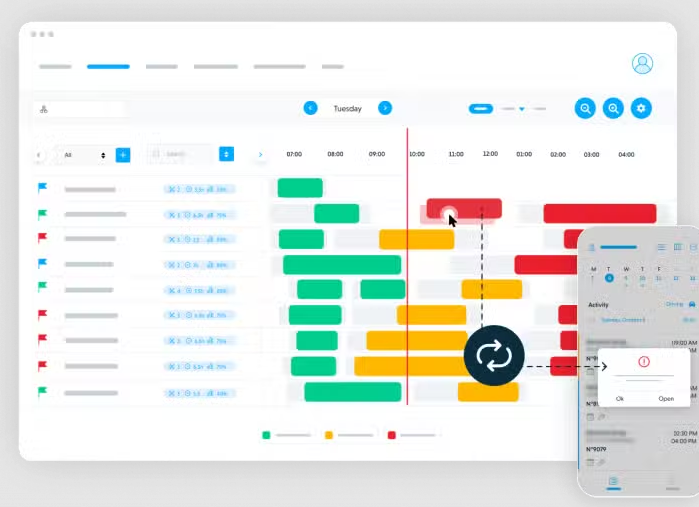
Instead of waiting days for approvals, AVCAPS enables digital submissions directly to insurance carriers through certified integrations. Shops can monitor adjuster activity in real time rather than relying on phone calls, faxed paperwork, or email chains.
For busy repair facilities, this creates several operational advantages:
Faster Vehicle Throughput
Repair shops generate revenue when vehicles move efficiently through the repair process. Delays during appraisal or insurance approval create bottlenecks that limit productivity.
By automating documentation and estimate creation, AVCAPS helps reduce idle time and allows teams to begin repairs sooner.
Better Documentation Quality
Insurance disputes often happen because estimates lack supporting details or photos. AI-powered systems help standardize documentation, ensuring repair submissions contain consistent evidence and repair logic.
That can reduce supplement requests and shorten negotiation cycles.
Improved Estimate Accuracy
Missing repair operations can significantly impact profitability. If structural damage or required labor procedures are overlooked, shops may absorb unexpected costs later in the repair process.
AI-assisted detection helps estimators identify operations that could otherwise be missed during a manual review.
Reduced Administrative Work
Many collision repair businesses spend large portions of the day communicating with insurers, updating claim statuses, and organizing repair documentation.
AVCAPS centralizes much of that workflow into one system, reducing repetitive administrative tasks and allowing staff to focus more on repairs and customer service.
Why Insurance Integrations Matter
One of the most valuable aspects of advanced AI Vehicle Collision Appraisal Platforms is insurer connectivity.
Many shops still rely on fragmented communication methods that slow down approvals. Estimates may be emailed, faxed, or manually uploaded into carrier systems. Adjuster follow-ups can become time-consuming and inconsistent.
AVCAPS addresses this issue through certified integrations with major insurance carriers. That means repair shops can submit claims digitally, monitor status updates, and receive approvals more efficiently.
This creates benefits for multiple stakeholders:
- Shops reduce waiting periods
- Insurers receive cleaner documentation
- Customers experience shorter repair timelines
- Staff spend less time on repetitive follow-ups
The result is a more connected repair ecosystem where communication moves faster and with greater transparency.
The Growing Role of AI in Auto Body Repair
Artificial intelligence is already transforming industries such as healthcare, logistics, and finance. Collision repair is now entering a similar transition period.
Several market trends are accelerating AI adoption in repair facilities:
Increasing Vehicle Complexity
Modern vehicles include advanced driver assistance systems, sensors, cameras, and lightweight structural materials. Damage analysis has become more technical, requiring greater precision during inspections.
AI tools help repair professionals manage that growing complexity.
Labor Shortages
Many collision repair businesses face staffing challenges, particularly when hiring experienced estimators. Automation helps existing teams operate more efficiently without sacrificing estimate quality.
Customer Expectations
Vehicle owners increasingly expect faster turnaround times and better communication. Delayed approvals and unclear repair timelines can damage customer trust.
AI-powered workflow systems help shops provide more accurate updates and improve transparency throughout the repair process.
Data-Driven Operations
Repair facilities are beginning to rely more heavily on operational data to improve profitability and cycle times. AI platforms generate detailed analytics that help shops identify inefficiencies and optimize workflows.
Human Expertise Still Drives the Repair Process
Despite rapid advances in automation, collision repair remains a highly skilled profession. AI can assist with appraisal accuracy and workflow management, but experienced technicians and estimators still make critical repair decisions.
The most effective repair operations combine human expertise with intelligent software support.
A technician understands repair nuances, structural integrity concerns, and safety considerations that software alone cannot fully replicate. AI platforms simply provide faster access to data, documentation, and recommendations.
That partnership between skilled professionals and intelligent systems is likely to define the next generation of collision repair businesses.
What the Future May Look Like for Collision Appraisals
As AI Vehicle Collision Appraisal Platforms continue evolving, the appraisal process may become increasingly predictive and connected.
Future systems could potentially:
- Detect hidden damage patterns from historical claims data
- Predict repair timelines automatically
- Recommend parts sourcing strategies
- Integrate directly with vehicle telematics
- Automate insurer negotiations further
- Improve fraud detection capabilities
Shops that adopt intelligent workflow systems early may gain a competitive advantage through faster cycle times, improved estimate consistency, and stronger insurer relationships.
The collision repair industry has always adapted to changing vehicle technology. The next major shift may not happen under the hood of the car, but inside the software platforms guiding the repair process itself.


 webrise seo
 OMG Jump