john ryan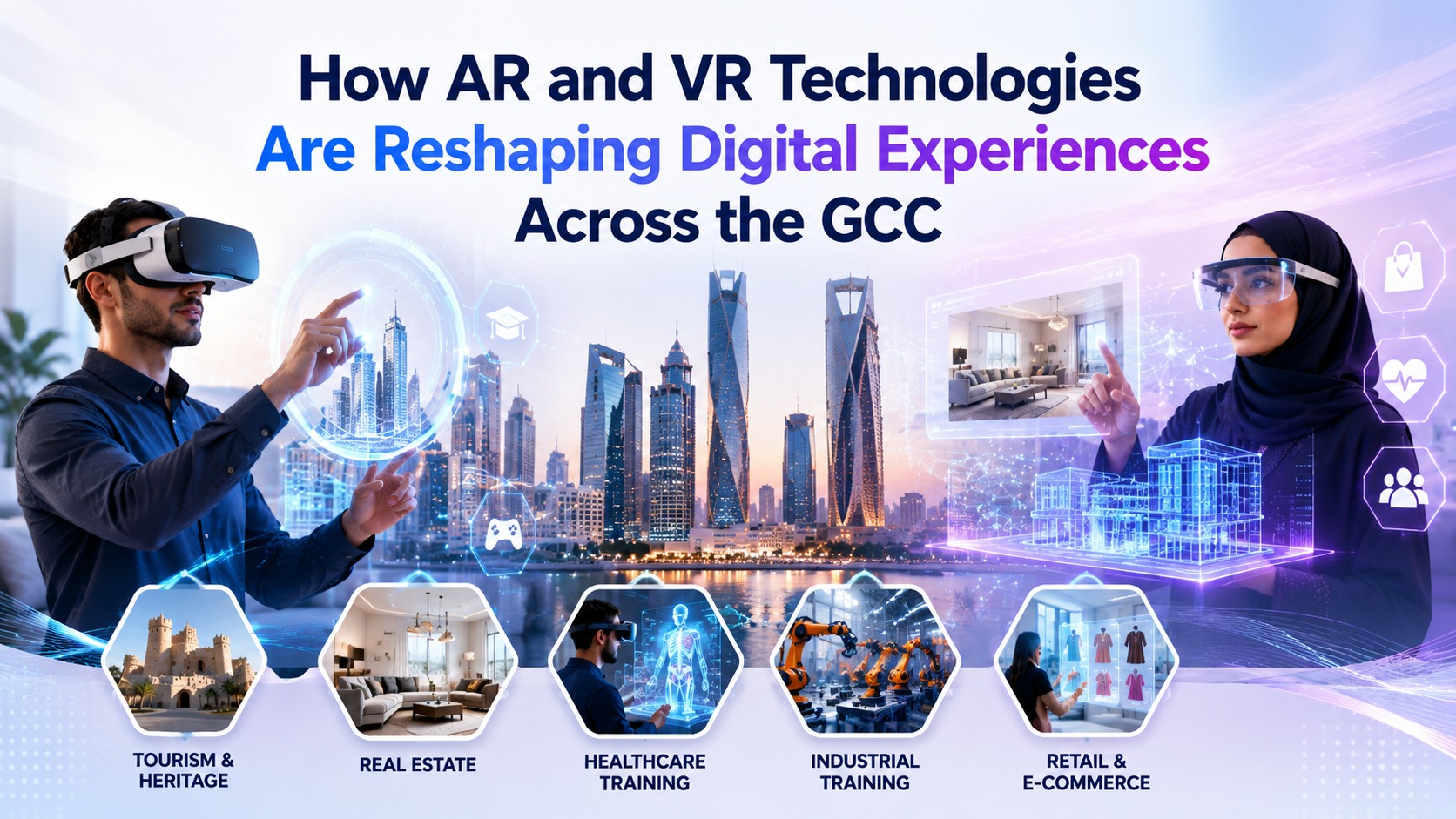
Augmented reality (AR) and virtual reality (VR) technologies are steadily transforming how businesses and consumers interact with digital environments across the Gulf Cooperation Council (GCC) region. From immersive retail experiences to advanced industrial training applications, organizations are increasingly adopting these technologies to improve engagement, operational efficiency, and customer interaction. The expansion of smart city initiatives and growing investments in digital infrastructure are also contributing to wider adoption.
Industries such as healthcare, education, entertainment, real estate, and retail are exploring practical AR and VR applications to create more interactive experiences. According to insights published in the GCC AR and VR industry analysis, the sector is projected to witness notable expansion during the forecast period, supported by increasing enterprise adoption and government-backed digital transformation programs.
Growing Integration of AR and VR in Smart City Development
Governments across the GCC are actively investing in smart city ecosystems that depend heavily on digital visualization and immersive technologies. AR and VR tools are increasingly being used in urban planning, infrastructure monitoring, and public service simulations. These technologies allow city planners and engineers to visualize large-scale projects before implementation, reducing design inefficiencies and improving project coordination.
Countries such as the UAE and Saudi Arabia are integrating immersive technologies into broader digital economy strategies. For example, the UAE’s smart government initiatives continue to encourage the use of emerging technologies to enhance digital services and citizen engagement.
Retail and E-Commerce Are Enhancing Consumer Engagement
The retail sector in the GCC is increasingly adopting AR-powered virtual shopping tools to improve customer experiences. Consumers can now visualize furniture inside their homes, virtually try on fashion products, or explore digital showrooms through immersive applications. These technologies help retailers reduce return rates while offering customers more confidence during purchasing decisions.
Luxury retail brands and shopping malls across the region are also experimenting with VR-based experiences to attract digitally connected consumers. As e-commerce competition intensifies, immersive technologies are becoming important tools for personalization and customer retention.
Healthcare Institutions Are Expanding Immersive Training Applications
Healthcare providers in the GCC are using AR and VR technologies for medical simulations, surgical training, and patient rehabilitation programs. VR-based training allows healthcare professionals to practice procedures in controlled virtual environments, helping improve precision and reduce training-related risks.
AR tools are also supporting real-time visualization during medical procedures and diagnostics. Several healthcare innovation programs in the Middle East continue to explore the role of immersive technologies in improving patient outcomes and workforce training efficiency. The World Health Organization’s digital health initiatives also highlight the growing role of advanced digital technologies in strengthening healthcare systems globally.
Education Sector Is Embracing Interactive Learning Environments
Educational institutions across the GCC are gradually integrating AR and VR into classrooms and professional training environments. These technologies support interactive learning by enabling students to engage with simulations, 3D models, and immersive educational content. Complex scientific concepts, engineering models, and historical recreations can be visualized more effectively through immersive learning tools.
The expansion of hybrid and digital learning models following recent global shifts toward online education has further accelerated interest in immersive educational technologies. Universities and training centers are increasingly collaborating with technology providers to improve learning engagement and practical skill development.
Industrial and Energy Sectors Are Improving Workforce Efficiency
The GCC’s industrial and energy sectors are also adopting AR and VR solutions for operational training, maintenance support, and remote collaboration. Industrial facilities use VR simulations to train workers in hazardous environments without exposing them to physical risks. AR-based smart glasses and visualization systems help technicians access real-time information while performing equipment inspections and repairs.
As the region continues to diversify beyond oil-dependent economies, digital industrial transformation remains a major focus area. Organizations are increasingly investing in technologies that improve productivity, workforce safety, and operational visibility. The International Energy Agency’s analysis on digitalization and energy discusses how digital technologies are reshaping industrial operations and infrastructure management worldwide.
Entertainment and Tourism Continue Driving Consumer Adoption
The entertainment and tourism sectors remain among the strongest contributors to AR and VR adoption in the GCC. Theme parks, museums, sports venues, and tourism destinations are integrating immersive experiences to enhance visitor engagement. VR gaming zones, interactive attractions, and digital storytelling experiences are becoming increasingly popular among younger audiences in the region.
Tourism authorities are also using virtual tours and AR-enhanced experiences to promote destinations and cultural heritage sites. These initiatives align with broader regional goals to strengthen tourism economies and attract international visitors through technology-driven experiences.
Challenges Related to Infrastructure and Content Development
Despite growing adoption, the AR and VR ecosystem in the GCC still faces several challenges. High implementation costs, limited localized content, and the need for advanced hardware infrastructure can slow adoption among smaller organizations. Businesses also require specialized technical expertise to develop and maintain immersive applications effectively.
Additionally, user awareness and long-term return on investment remain important considerations for enterprises evaluating immersive technology adoption. However, ongoing improvements in cloud computing, 5G connectivity, and device affordability may gradually reduce these barriers over time.
Future Outlook for AR and VR Adoption in the GCC
The long-term outlook for AR and VR technologies in the GCC remains closely tied to regional digital transformation initiatives, enterprise modernization efforts, and rising consumer demand for interactive experiences. As immersive technologies become more accessible and commercially viable, their applications are expected to expand across multiple industries.
Continued investment in smart infrastructure, digital healthcare, advanced education systems, and industrial automation is likely to support further integration of AR and VR solutions throughout the region. Businesses that effectively align immersive technologies with operational and customer engagement goals may gain strategic advantages in an increasingly digital economy.


 Ammar Saleem