smith sam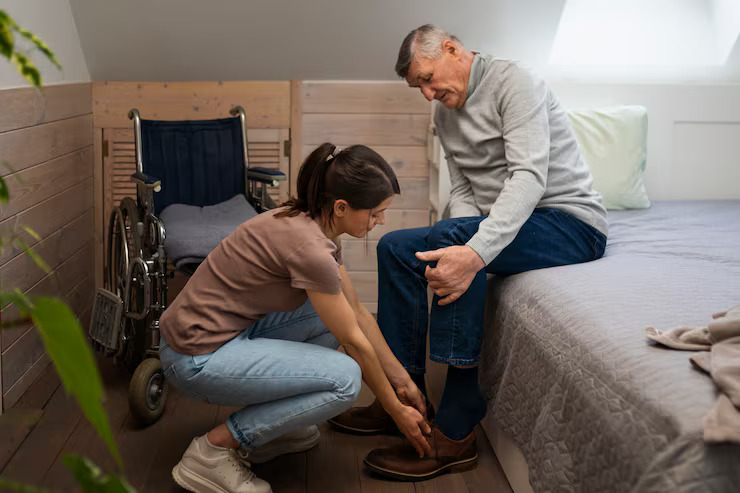
Loneliness among older adults has evolved into a significant public health concern. Research consistently links prolonged social isolation to depression, anxiety, cognitive decline, cardiovascular disease, and even increased mortality rates. While aging itself does not cause loneliness, life transitions often do. Retirement, relocation, the loss of a spouse, or physical limitations can gradually reduce daily interaction.
Assisted living communities are intentionally designed to interrupt that cycle. By combining personalized support with structured engagement, these communities create environments where older adults remain socially connected, mentally stimulated, and emotionally fulfilled.
The Hidden Impact of Social Isolation
Loneliness is not simply about being alone; it is about feeling disconnected. Many seniors live independently yet lack meaningful social interaction. Over time, this emotional withdrawal can reduce motivation to participate in activities, maintain routines, or even manage health proactively.
Assisted living communities address this challenge by embedding connection into everyday life. Instead of waiting for social interaction to happen organically, these environments create daily opportunities for residents to interact, collaborate, and build relationships.
How Assisted Living Encourages Daily Interaction
Unlike private homes, assisted living communities are structured around shared experiences. Residents typically gather for meals, activities, wellness programs, and special events. The built environment itself promotes engagement:
- Central dining areas
- Activity rooms and lounges
- Fitness centers
- Outdoor courtyards
- Community libraries
- Multi-purpose gathering spaces
The architecture removes physical barriers to interaction. Residents are not isolated behind separate entrances or long commutes. Social opportunities are integrated into their immediate surroundings.
Personalized Care That Removes Participation Barriers
A primary benefit of assisted living is support with activities of daily living (ADLs), including bathing, dressing, medication management, and mobility assistance. These services are not merely medical—they are foundational to engagement.
When physical limitations make daily tasks exhausting or frustrating, individuals often withdraw socially. Assisted living removes those obstacles. With discreet assistance available, residents conserve energy for meaningful activities rather than routine struggles.
This balance of support and independence ensures that residents maintain dignity while remaining active participants in community life.
Structured Programming That Drives Engagement
Effective assisted living communities treat programming as a strategic priority rather than an afterthought. Engagement calendars often include:
- Group fitness and chair yoga
- Creative arts workshops
- Music therapy sessions
- Educational lectures
- Faith-based services
- Game nights and trivia competitions
- Gardening clubs
- Intergenerational programs
- Cultural celebrations
These programs serve multiple purposes. They stimulate cognitive function, strengthen motor skills, and foster social bonds. More importantly, they create predictable rhythms that anchor daily life.
Routine engagement reduces uncertainty and builds anticipation—both of which positively affect mental health.
Communal Dining as a Social Catalyst
Shared meals are central to assisted living culture. Dining rooms become informal social hubs where residents gather multiple times daily. Regular seating arrangements encourage familiarity and ongoing conversation.
Unlike isolated dining at home, communal meals foster consistent peer interaction. Conversations evolve naturally, friendships deepen, and residents develop a sense of belonging.
From a psychological perspective, shared dining reinforces identity within a group—an essential component of emotional resilience.
Staff as Social Connectors
Professional caregivers in assisted living communities do more than provide assistance. They function as social facilitators. Staff members often encourage hesitant residents to participate in events, introduce neighbors with similar interests, and monitor engagement levels.
This proactive approach ensures that no resident quietly withdraws without support. When staff observe declining participation, they can intervene early—preventing prolonged isolation.
Cognitive and Emotional Stimulation
Engagement in assisted living is not limited to recreation. Cognitive enrichment programs are carefully designed to maintain mental acuity. Activities such as book discussions, educational seminars, language classes, and memory-based games challenge the brain.
Cognitive engagement supports neuroplasticity and may slow the progression of age-related cognitive decline. Simultaneously, emotional stimulation through music, storytelling, and art therapy fosters self-expression and connection.
Safety as a Foundation for Social Confidence
Fear is a powerful isolator. Concerns about falling, medical emergencies, or medication errors often discourage seniors from leaving home. Assisted living communities provide 24-hour support, emergency response systems, and secure environments.
This safety net empowers residents to participate freely. When individuals feel protected, they are more likely to explore activities, attend outings, and engage socially.
Security does not restrict independence—it enhances it.
Family Integration and Community Inclusion
Modern assisted living communities prioritize family involvement. Holiday events, community celebrations, and open houses encourage multi-generational participation. Families become part of the broader community network.
This inclusion strengthens both resident satisfaction and family peace of mind. Adult children often report reduced stress when they observe their loved ones actively engaged and socially fulfilled.
A Holistic Model of Wellness
Assisted living integrates social, emotional, physical, and cognitive wellness. This holistic framework distinguishes it from isolated home care arrangements. By addressing loneliness proactively, assisted living communities create an environment where residents thrive—not merely reside.
Over time, engagement becomes habitual. Residents develop daily routines that include social interaction, physical movement, and intellectual stimulation. The result is improved mood, increased confidence, and stronger overall well-being.
Conclusion
Assisted living communities reduce loneliness by embedding connection into daily life. Through structured programming, personalized support, communal dining, and built-in safety measures, residents experience renewed purpose and belonging. Engagement is not incidental—it is intentional.
At Regency Senior Living, assisted living is thoughtfully designed to nurture connection, dignity, and vibrant community life. With compassionate caregivers, dynamic programming, and secure environments, Regency Senior Living helps residents replace isolation with meaningful engagement every day.


 Dynamic Life Clinics dubai
 Dynamic Clinics